| Size | Price | Stock | Qty |
|---|---|---|---|
| 1mg |
|
||
| 5mg |
|
||
| 10mg |
|
||
| 25mg |
|
||
| 50mg |
|
||
| 100mg |
|
||
| 250mg |
|
||
| Other Sizes |


Purity: ≥98%
| Targets |
USP7
The target of GNE-6776 is Ubiquitin-Specific Peptidase 7 (USP7), a deubiquitinase enzyme. It non-covalently binds to USP7 at a site 12 Å away from the catalytic cysteine, interfering with ubiquitin binding to USP7 and thereby inhibiting USP7's deubiquitinase activity. Specific IC50, Ki, or EC50 values for the inhibition of USP7 by GNE-6776 are not explicitly provided in the referenced literature [1] |
|---|---|
| ln Vitro |
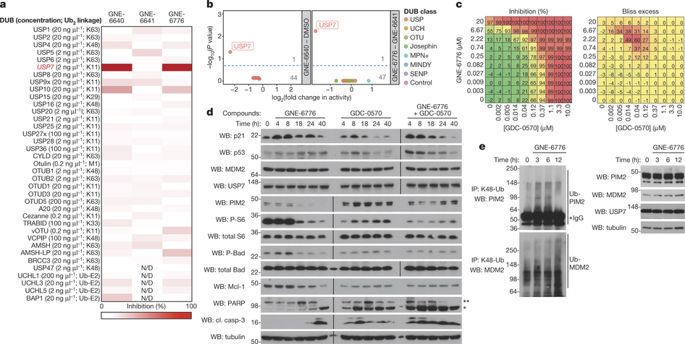
At 15 μM, GNE-6776 significantly inhibits USP7. A highly selective USP7 inhibitor against endogenous cellular deubiquitinases as well as recombinant ones is GNE-6776[1].
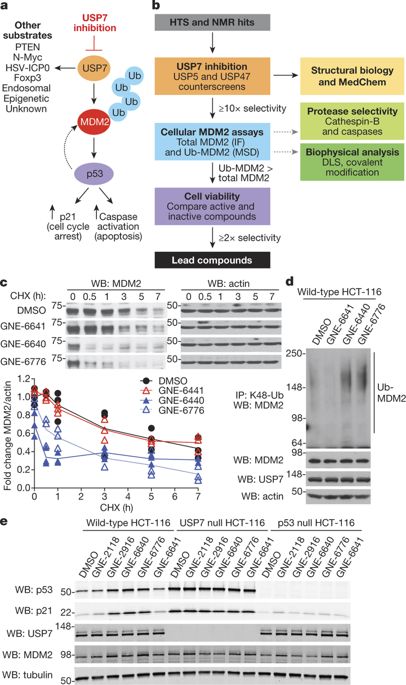
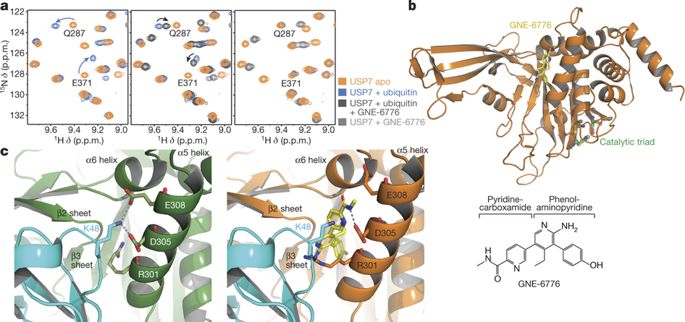
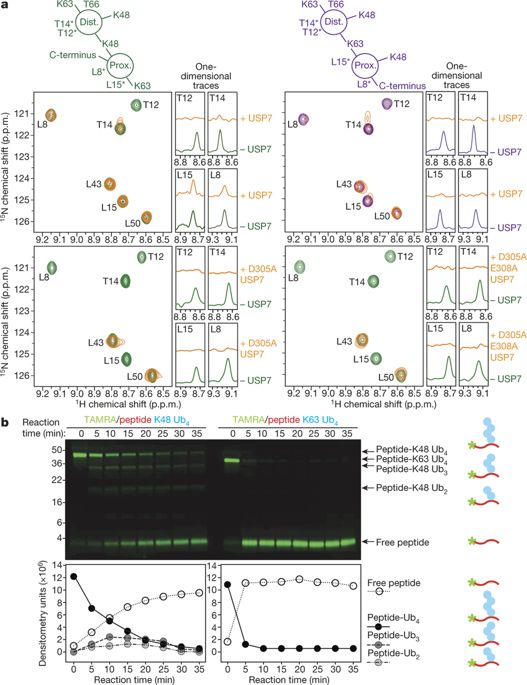
GNE-6776 induced tumour cell death and enhance cytotoxicity with chemotherapeutic agents and targeted compounds, including PIM kinase inhibitors. Structural studies reveal that GNE-6640 and GNE-6776 non-covalently target USP7 12 Å distant from the catalytic cysteine. The compounds attenuate ubiquitin binding and thus inhibit USP7 deubiquitinase activity. GNE-6640 and GNE-6776 interact with acidic residues that mediate hydrogen-bond interactions with the ubiquitin Lys48 side chain, suggesting that USP7 preferentially interacts with and cleaves ubiquitin moieties that have free Lys48 side chains. 1. GNE-6776 induces death of tumor cells in vitro. Although specific tumor cell lines and quantitative data (such as cell viability rates at different concentrations) are not detailed, the compound shows cytotoxic effects on tumor cells, which is associated with its inhibition of USP7 activity [1] 2. GNE-6776 enhances the cytotoxicity of chemotherapeutic agents and targeted compounds in vitro, including PIM kinase inhibitors. When used in combination with these agents, the inhibitory effect on tumor cell survival is more significant compared to the use of GNE-6776 alone or the other agents alone, indicating a synergistic effect [1] 3. GNE-6776 attenuates ubiquitin binding to USP7, thereby inhibiting USP7's deubiquitinase activity. Structural studies confirm that GNE-6776 interacts with acidic residues in USP7 that mediate hydrogen-bond interactions with the ubiquitin Lys48 side chain. This interaction disrupts the binding between USP7 and ubiquitin, especially affecting USP7's preference for Lys48-linked ubiquitin chains [1] 4. GNE-6776 protracts the depolymerization kinetics of Lys48-linked ubiquitin chains by USP7 relative to Lys63-linked chains in vitro. This was demonstrated by engineering di-ubiquitin chains with differential proximal and distal isotopic labels and measuring USP7 binding via nuclear magnetic resonance (NMR). The results show that USP7's ability to depolymerize Lys48-linked chains is more significantly inhibited by GNE-6776 [1] |
| ln Vivo |
GNE-6776 inhibits the growth of EOL-1 xenografts in mice when given orally once or twice a day for ten days at a dose of 100 or 200 mg/kg. [1].
Given the favourable features of these inhibitors, we investigated their efficacy in animal models. Pharmacodynamic and pharmacokinetic studies indicated that GNE-6776 is orally bioavailable and promotes on-target pathway modulation in human xenografts (Extended Data Fig. 4e–i). Although efficacious exposure was only transiently achieved, GNE-6776 caused modest, although significant, EOL-1 xenograft growth delay (Extended Data Fig. 4j). Developing USP7 inhibitors that have improved drug-like properties will be necessary to comprehensively evaluate USP7 inhibition in vivo.[1] |
| Enzyme Assay |
USP7 enzymatic analysis[1]
Michaelis–Menten kinetic measurements with full-length USP7 were performed using 1 nM USP7 with a series of ubiquitin–AMC substrate titrations. The initial rate of substrate hydrolysis was determined using the Magellan software on a Tecan Safire2 plate reader, and kinetic parameters modelled using nonlinear regression analysis with GraphPad Prism software. Standard error was calculated from three technical replicates. For studies using the USP7 D305/E308 mutant, samples were reacted in a buffer consisting of 50 mM HEPES (pH 7.5), 100 mM NaCl, 2.5 mM dithiothreitol, and 0.1% (w/v) bovine gamma globulin. The starting substrate concentration of ubiquitin-Rho110 used for the Michaelis–Menten analysis was 100 μM serial diluted to 781 nM. Reactions were performed for 1 h at room temperature with a final enzyme concentration of 100 nM (three independent experiments, see symbols in plots), in black 100-μl volume 96-well half area plates. The enzymatic activity was calculated by fitting the data using the initial velocity with the linear V0 values measured by analysing the fluorescence signal of cleaved Rho-110 using excitation at 485 nm and emission at 535 nm. Deubiquitinase selectivity analysis[1] Recombinant deubiquitinase di-ubiquitin mass spectrometry cleavage assay. The MALDI–TOF DUB assay was performed using the indicated concentrations of recombinant deubiquitinases, di-ubiquitin substrates, and USP7 inhibitor compounds as described previously. The inhibition efficiency for GNE-6640 and GNE-6776 against the UCHl family members was monitored on Ub-Ube2W (Ub-E2), an alternative substrate to di-ubiquitin. 1. NMR-based USP7-ubiquitin binding assay: To assess the effect of GNE-6776 on USP7-ubiquitin binding, nuclear magnetic resonance (NMR) spectroscopy was used. First, appropriate samples containing USP7 (or its relevant domains) and ubiquitin were prepared. Then, GNE-6776 at different concentrations was added to the samples. NMR spectra of the samples were collected and analyzed to monitor changes in the interaction between USP7 and ubiquitin. The results revealed that GNE-6776 interferes with the binding of USP7 to ubiquitin, as indicated by changes in relevant NMR signals [1] 2. USP7 deubiquitinase activity assay: To measure the inhibitory effect of GNE-6776 on USP7's deubiquitinase activity, a reaction system containing USP7 enzyme, ubiquitin-substrate (such as di-ubiquitin chains with specific linkages like Lys48-linked or Lys63-linked chains), and appropriate buffers was established. GNE-6776 at different concentrations was added to the reaction system, and the mixture was incubated under suitable conditions (e.g., specific temperature and time). After incubation, the reaction products were analyzed using appropriate methods (such as gel electrophoresis or mass spectrometry) to determine the extent of ubiquitin chain depolymerization. The assay showed that GNE-6776 inhibits USP7's deubiquitinase activity, particularly affecting the depolymerization of Lys48-linked ubiquitin chains [1] 3. Isotopically labeled di-ubiquitin chain binding assay: To investigate USP7's preference for different ubiquitin chain linkages and the effect of GNE-6776 on this preference, di-ubiquitin chains with differential proximal and distal isotopic labels (e.g., ¹³C/¹⁵N labeling) were engineered. These labeled chains (including Lys48-linked and Lys63-linked types) were incubated with USP7 in the presence or absence of GNE-6776. NMR spectroscopy was used to measure and compare USP7's binding to the different labeled chains. This assay confirmed that USP7 preferentially interacts with ubiquitin moieties having free Lys48 side chains, and GNE-6776 attenuates this preferential binding, leading to prolonged depolymerization kinetics of Lys48-linked chains [1] |
| Cell Assay |
Tumour cell-line panel viability. [1]
GNE-6640 and GNE-6641 were profiled for 3 days across 441 cell lines, and GNE-6776, GNE-6640, and GNE-6641 were profiled for 5 days across a subset of 185 cell lines as previously described26. In brief, compounds were screened in nine-point dose–response using a threefold dilution. Cells were seeded into 384-well plates 24 h before compound addition. Cells were then incubated with compound for 72 h or 120 h before assaying viability. Assays were performed in biological triplicate. Cells were incubated (37 °C, 5% CO2) in RPMI-1640, 2.5% FBS (72 h assay) or 5% FBS (120 h assay), and 2 mM glutamine throughout the assay. The reported IC50 and mean viability metrics were as follows: IC50 was the dose at which the estimated inhibition was 50% relative to untreated wells (that is, absolute IC50). Primary combination screen. [1] A compound library comprising 589 compounds arrayed in nine-point dose–response was screened in the absence or presence of fixed doses of GNE-6776 (0 nm, 125 nM, 250 nM, 500 nM, 1,000 nM, and 2,000 nM) or GNE-6640 (400 nM). In brief, 5,000 EOL-1 cells were seeded into 384-well plates, and compound was added 24 h later. Cell viability was determined 120 h after compound addition (CellTiter-Glo). Curves were fitted, and both IC50 and mean viability metrics were calculated. The IC50 was the dose at which inhibition was 50% relative to untreated wells. The mean viability was the average of the fitted viabilities at each tested dose. Mean viability was equivalent to the area under the log-dose/viability curve divided by the total number of tested doses. Mean viability values were used for the analysis described in Extended Data Fig. 6g. All data were fitted using Genedata Screener software. Primary combination screen analysis. [1] Normalized mean viabilities were determined in the EOL-1 cell line for 574 compounds that have known protein or mechanistic targets, in the presence of DMSO or increasing concentrations of GNE-6776 (100 nM, 250 nM, 500 nM, 1,000 nM or 2,000 nM) or 400 nM of GNE-6640. For each compound, we assessed the difference in mean viability between USP7 inhibitor treatment and the DMSO treatment. For targets targeted by three or more compounds, we calculated the enrichment of high mean viability difference for each concentration of USP7 inhibitor by using a Wilcoxon rank-sum test. For visualization purposes, we combined the results of all concentrations by taking the mean of the −log10(transformed P values) for each target. 1. Tumor cell viability assay: Tumor cell lines were cultured in appropriate medium under standard cell culture conditions (e.g., 37°C, 5% CO₂). The cells were seeded into multi-well plates at a suitable density and allowed to adhere. Then, GNE-6776 at different concentrations was added to the wells, and the cells were incubated for a specific period (e.g., 24–72 hours). In combination experiments, chemotherapeutic agents or PIM kinase inhibitors were added to the wells along with GNE-6776. After incubation, a cell viability detection reagent (e.g., MTT or CCK-8) was added, and the absorbance was measured using a microplate reader to calculate cell viability. The assay demonstrated that GNE-6776 induces tumor cell death and enhances the cytotoxicity of other agents [1] 2. Western blot analysis for USP7 substrate proteins: Tumor cells were treated with GNE-6776 at different concentrations for a specific time. After treatment, the cells were harvested and lysed using a cell lysis buffer containing protease inhibitors to extract total cellular proteins. The protein concentration was determined, and equal amounts of proteins were separated by sodium dodecyl sulfate-polyacrylamide gel electrophoresis (SDS-PAGE). The separated proteins were transferred to a nitrocellulose or PVDF membrane, which was then blocked with a blocking buffer (e.g., 5% non-fat milk). The membrane was incubated with primary antibodies specific to USP7 substrate proteins (such as p53 or MDM2) and a loading control protein (such as β-actin) overnight at 4°C. After washing, the membrane was incubated with a horseradish peroxidase (HRP)-conjugated secondary antibody. Finally, the protein bands were visualized using an enhanced chemiluminescence (ECL) detection system. The results could reflect changes in the expression levels of USP7 substrate proteins after GNE-6776 treatment, indirectly confirming the inhibition of USP7 activity [1] |
| Animal Protocol |
Immunodeficient C.B-17 SCID mice with an EOL1 AML xenograft, aged 12–16 weeks[1]
100 or 200 mg/kg DMPK analysis. [1] In vitro DMPK studies were performed using standard protocols. GNE-6776 was formulated as a suspension in 0.5% methylcellulose/0.2% Tween-80 and was administered at 200 mg kg−1 (body weight) by oral gavage to female C.B-17 SCID mice, aged 12–16 weeks (n = 3 per time point). No randomization was used for DMPK studies. At 0.5, 1, 2, 4, 8 and 24 h post-dose, blood samples were collected by terminal cardiac puncture into anticoagulant tubes (EDTA). Clarified plasma was then transferred to a fresh tube and snap frozen. GNE-6776 plasma concentrations were determined by LC–MS/MS. In vivo pharmacodynamic response. [1] For EOL-1 AML xenograft studies, immunodeficient C.B-17 SCID mice, aged 12–16 weeks, were inoculated subcutaneously on the right flank with five million cells in a 50:50 suspension of HBSS:Matrigel (100 μl). When tumour volumes reached between approximately 285 and 500 mm3, mice were distributed into volume-matched cohorts (n = 4). For MCF7 breast-cancer xenograft studies, immunodeficient nu/nu mice, aged 6–8 weeks, were implanted with 0.36 mg oestrogen pellets via trochar 1–3 days before tumour cell inoculation. Ten million MCF7-Ser cells, an in vivo-optimized MCF7 variant, were injected orthotopically into the 2/3 mammary fat pad of each mouse in a 50:50 suspension of HBSS:Matrigel in a total volume of 100 μl. When tumour volumes reached between approximately 285 and 450 mm3, mice were distributed into volume-matched cohorts (n = 4). GNE-6776 was formulated as a suspension in 0.5% methylcellulose/0.2% Tween-80 and administered at 200 mg kg−1 (body weight) by oral gavage at 0 and 4 h. 0.5% Methylcellulose/0.2% Tween-80 control or GNE-6776-treated samples were collected at 8 h after the first dose and excised tumours were flash-frozen on dry ice. Tumours were lysed in RIPA buffer containing protease inhibitors and 300 mM NaCl using a Qiagen TissueLyser. Samples were incubated on ice for 15 min and then centrifuged at 20,000g at 4 °C for 10 min. Protein levels in clarified lysates were quantified using a Pierce BCA assay kit and concentrations were normalized with sample buffer. Samples were run on gels, and proteins were transferred to membranes and western blotted as described above. In vivo efficacy study. [1] For EOL1 AML xenograft studies, immunodeficient C.B-17 SCID mice (Charles River Laboratories), aged 12–16 weeks, were inoculated subcutaneously on the right flank with five million cells in a 50:50 suspension of HBSS:Matrigel (100 μl). When tumours became established (150–300 mm3), mice were distributed into tumour-volume-matched cohorts (n = 7, mean tumour volume ~250 mm3). GNE-6776 was formulated as a suspension in 0.5% methylcellulose/0.2% Tween-80 and was administered at 100 or 200 mg kg−1 (body weight) by oral gavage on a once or twice daily schedule. Tumour volume measurements, body weight and body condition data were collected two or three times per week. The maximum tumour volume limit of 2,000 mm3 was not reached in any animal. |
| References | |
| Additional Infomation |
The ubiquitin system regulates important cellular processes in eukaryotes. Ubiquitins are linked to substrate proteins in monomeric or chain form, and the topological structure modified by ubiquitin regulates the interaction between substrates and specific proteins. Therefore, ubiquitination determines the fate of a variety of substrates, including proteasome degradation. Deubiquitinating enzymes cleave ubiquitin from substrates and are associated with a variety of diseases; for example, ubiquitin-specific protease-7 (USP7) regulates the stability of p53 tumor suppressor protein and other proteins essential for tumor cell survival. However, developing selective deubiquitinating enzyme inhibitors has been extremely challenging, and the co-crystal structures of small molecule inhibitors and deubiquitinating enzymes have not yet been resolved. In this paper, we describe the development of the selective USP7 inhibitors GNE-6640 and GNE-6776 using NMR-based screening and structure-based drug design. These compounds induce tumor cell death and enhance the cytotoxicity of chemotherapeutic drugs and targeted compounds, including PIM kinase inhibitors. Structural studies revealed that GNE-6640 and GNE-6776 non-covalently target USP7, with their interaction sites located 12 Å from the catalytic cysteine residue. These compounds weaken ubiquitin binding, thereby inhibiting the deubiquitinating activity of USP7. GNE-6640 and GNE-6776 interact with acidic residues mediating hydrogen-bonded interactions with the Lys48 side chain of ubiquitin, suggesting that USP7 preferentially interacts with and cleaves ubiquitin molecules with free Lys48 side chains. We validated this hypothesis by constructing biubiquitin chains with different proximal and distal isotopic labels and measuring USP7 binding using NMR. This preferential binding elongates the depolymerization kinetics of Lys48-linked ubiquitin chains relative to Lys63-linked ubiquitin chains. In summary, the design of compounds that inhibit USP7 activity by weakening ubiquitin binding provides an opportunity to develop other deubiquitinating enzyme inhibitors and may be a more broadly applicable strategy for inhibiting proteins that require ubiquitin binding to exert their full functional activity. [1]
This paper describes GNE-6640 and GNE-6776, selective USP7 inhibitors with well-defined inhibitory mechanisms. Establishing a rigorous screening process is essential for selecting and optimizing targeted inhibitors. The joint study revealed previously undescribed interactions between USP7 deubiquitinating enzyme activity and PIM kinase in regulating cell viability. The co-crystal structures of GNE-6640 or GNE-6776 suggest that complementary charged interactions between USP7-D305/E308 and the ubiquitin-K48 side chain are crucial, which we confirmed through mutation analysis. Notably, D305G has been identified as a somatic loss-of-function mutant from patients with acute lymphoblastic leukemia21. NMR analysis of USP7 binding to natural monoubiquitin and differentially labeled diubiquitin showed that USP7 preferentially interacts with ubiquitin moieties having free K48 side chains. Some studies have proposed that certain deubiquitinating enzymes cannot effectively unpolymerize long substrate-bound K48 linker chains, thus setting a threshold for proteasome-targeted polyubiquitination22; our study confirms this view and provides a biophysical mechanism. Many proteins, including other deubiquitinating enzymes, ubiquitin ligases, DNA repair and endocytosis mechanisms, and epigenetic regulators, depend on ubiquitin binding for their function23. Developing selective inhibitors that can weaken ubiquitin binding is an effective strategy for inhibiting USP7. Our study demonstrates the feasibility of this approach and suggests that it may have broader applications in inhibiting other types of ubiquitin-binding proteins[1].1 The ubiquitin system plays a key role in regulating important cellular processes in eukaryotes. Ubiquitin is linked to substrate proteins in monomeric or chain form. The topological structure modified by ubiquitin regulates the interaction between the substrate and specific proteins, thereby determining the various fates of the substrate, including proteasome degradation. Deubiquitinating enzymes, such as USP7, can cleave ubiquitin from substrates and are associated with a variety of diseases. [1] USP7 regulates the stability of p53 tumor suppressor protein and other proteins that are essential for the survival of tumor cells, making it a potential target for cancer therapy. However, the development of selective deubiquitinating enzyme inhibitors has been extremely challenging. Prior to this study, the co-crystal structure of USP7 and small molecule inhibitors had not been resolved. [1] 3. GNE-6776 was developed through NMR-based screening and structure-based drug design, along with another USP7 inhibitor, GNE-6640. Both compounds are selective USP7 inhibitors that target USP7 in a non-covalent manner. The development of GNE-6776 has provided an opportunity to develop other deubiquitinating enzyme inhibitors and may be a widely applicable strategy for inhibiting proteins that require ubiquitin binding to exert their full functional activity [1]. |
| Molecular Formula |
C20H20N4O2
|
|
|---|---|---|
| Molecular Weight |
348.398404121399
|
|
| Exact Mass |
348.15862
|
|
| CAS # |
2009273-71-4
|
|
| Related CAS # |
|
|
| PubChem CID |
122531750
|
|
| Appearance |
White to off-white solid powder
|
|
| LogP |
2.7
|
|
| Hydrogen Bond Donor Count |
3
|
|
| Hydrogen Bond Acceptor Count |
5
|
|
| Rotatable Bond Count |
4
|
|
| Heavy Atom Count |
26
|
|
| Complexity |
467
|
|
| Defined Atom Stereocenter Count |
0
|
|
| SMILES |
OC1C=CC(=CC=1)C1C(N)=NC=C(C2C=NC(C(NC)=O)=CC=2)C=1CC
|
|
| InChi Key |
UCYSSYGGXOFJKK-UHFFFAOYSA-N
|
|
| InChi Code |
InChI=1S/C20H20N4O2/c1-3-15-16(13-6-9-17(23-10-13)20(26)22-2)11-24-19(21)18(15)12-4-7-14(25)8-5-12/h4-11,25H,3H2,1-2H3,(H2,21,24)(H,22,26)
|
|
| Chemical Name |
5-[6-amino-4-ethyl-5-(4-hydroxyphenyl)pyridin-3-yl]-N-methylpyridine-2-carboxamide
|
|
| Synonyms |
|
|
| HS Tariff Code |
2934.99.9001
|
|
| Storage |
Powder -20°C 3 years 4°C 2 years In solvent -80°C 6 months -20°C 1 month |
|
| Shipping Condition |
Room temperature (This product is stable at ambient temperature for a few days during ordinary shipping and time spent in Customs)
|
| Solubility (In Vitro) |
DMSO : 70~100 mg/mL ( 200.91~287.03 mM )
Ethanol : ~2 mg/mL |
|---|---|
| Solubility (In Vivo) |
Solubility in Formulation 1: ≥ 2.5 mg/mL (7.18 mM) (saturation unknown) in 10% DMSO + 40% PEG300 + 5% Tween80 + 45% Saline (add these co-solvents sequentially from left to right, and one by one), clear solution.
For example, if 1 mL of working solution is to be prepared, you can add 100 μL of 25.0 mg/mL clear DMSO stock solution to 400 μL PEG300 and mix evenly; then add 50 μL Tween-80 to the above solution and mix evenly; then add 450 μL normal saline to adjust the volume to 1 mL. Preparation of saline: Dissolve 0.9 g of sodium chloride in 100 mL ddH₂ O to obtain a clear solution. Solubility in Formulation 2: ≥ 2.5 mg/mL (7.18 mM) (saturation unknown) in 10% DMSO + 90% (20% SBE-β-CD in Saline) (add these co-solvents sequentially from left to right, and one by one), clear solution. For example, if 1 mL of working solution is to be prepared, you can add 100 μL of 25.0 mg/mL clear DMSO stock solution to 900 μL of 20% SBE-β-CD physiological saline solution and mix evenly. Preparation of 20% SBE-β-CD in Saline (4°C,1 week): Dissolve 2 g SBE-β-CD in 10 mL saline to obtain a clear solution. View More
Solubility in Formulation 3: ≥ 2.5 mg/mL (7.18 mM) (saturation unknown) in 10% DMSO + 90% Corn Oil (add these co-solvents sequentially from left to right, and one by one), clear solution. |
| Preparing Stock Solutions | 1 mg | 5 mg | 10 mg | |
| 1 mM | 2.8703 mL | 14.3513 mL | 28.7026 mL | |
| 5 mM | 0.5741 mL | 2.8703 mL | 5.7405 mL | |
| 10 mM | 0.2870 mL | 1.4351 mL | 2.8703 mL |
*Note: Please select an appropriate solvent for the preparation of stock solution based on your experiment needs. For most products, DMSO can be used for preparing stock solutions (e.g. 5 mM, 10 mM, or 20 mM concentration); some products with high aqueous solubility may be dissolved in water directly. Solubility information is available at the above Solubility Data section. Once the stock solution is prepared, aliquot it to routine usage volumes and store at -20°C or -80°C. Avoid repeated freeze and thaw cycles.
Calculation results
Working concentration: mg/mL;
Method for preparing DMSO stock solution: mg drug pre-dissolved in μL DMSO (stock solution concentration mg/mL). Please contact us first if the concentration exceeds the DMSO solubility of the batch of drug.
Method for preparing in vivo formulation::Take μL DMSO stock solution, next add μL PEG300, mix and clarify, next addμL Tween 80, mix and clarify, next add μL ddH2O,mix and clarify.
(1) Please be sure that the solution is clear before the addition of next solvent. Dissolution methods like vortex, ultrasound or warming and heat may be used to aid dissolving.
(2) Be sure to add the solvent(s) in order.
Figure 1: Identification and characterization of USP7 inhibitors.Nature.2017 Oct 26;550(7677):534-538. |
|---|
Figure 2: Selectivity of USP7 inhibitors and synergy with PIM kinase inhibition.
Figure 3: USP7 inhibitors compete with ubiquitin binding to USP7.Nature.2017 Oct 26;550(7677):534-538. |
Figure 4: USP7 preferentially binds and cleaves ubiquitin moieties with free K48 side chains.Nature.2017 Oct 26;550(7677):534-538. |
Products are for research use only; We do not sell to patients
Copyright 2020 InvivoChem LLC | All Rights Reserved


 COA
COA