| Size | Price | Stock | Qty |
|---|---|---|---|
| 10mg |
|
||
| 25mg |
|
||
| 50mg |
|
||
| 100mg |
|
||
| 250mg |
|
||
| 500mg |
|
||
| Other Sizes |


Purity: ≥98%
| Targets |
FH1 (BRD-K4477) targets pathways involved in human hepatocyte expansion and induced pluripotent stem cell (iPSC) differentiation into hepatocytes[1]
|
|---|---|
| ln Vitro |
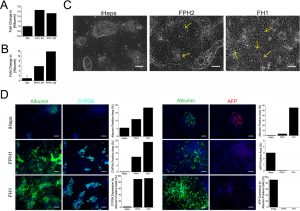
FH1 (NSC 12407, 5 µg/mL, 0–40 days) promotes hepatic maturation and preserves the hiPSC–HLC condition of hepatic differentiation[2].
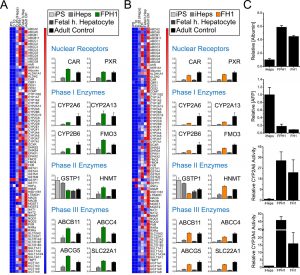
In primary human hepatocytes (PHHs), FH1 (BRD-K4477) (0.5–5 μM) dose-dependently promoted cell expansion. At 2 μM, the number of PHHs increased by ~3.2-fold after 7 days of culture compared to vehicle control. It maintained hepatocyte functionality, as evidenced by sustained expression of albumin (ALB) and cytochrome P450 3A4 (CYP3A4) at both mRNA (ALB: ~1.8-fold; CYP3A4: ~1.5-fold at 2 μM) and protein levels [1] - In human iPSCs undergoing hepatocyte differentiation, FH1 (BRD-K4477) (1–3 μM) enhanced differentiation efficiency. At 2 μM, the proportion of hepatocyte-like cells (HLCs) expressing ALB and α-fetoprotein (AFP) increased from ~45% to ~72% (flow cytometry). RT-PCR showed upregulated expression of hepatocyte-specific genes (HNF4α, FOXA2, TTR) by ~2.3–3.1-fold compared to control [1] - In iPSC-derived HLCs, FH1 (BRD-K4477) (2 μM) pretreatment for 48 hours improved cell functionality: ALB secretion increased by ~2.5-fold, urea synthesis enhanced by ~1.8-fold, and CYP3A4 activity elevated by ~2.1-fold. It also enhanced the susceptibility of HLCs to hepatitis B virus (HBV) infection, with HBV DNA copy number increased by ~3.0-fold compared to untreated HLCs [2] |
| ln Vivo |
In humanized chimeric mice (NOD/SCID/IL2rg–/–) engrafted with FH1 (BRD-K4477)-pretreated iPSC-HLCs (2 μM for 48 hours in vitro), the engraftment efficiency of HLCs in mouse liver was significantly increased. At 8 weeks post-engraftment, human ALB levels in mouse serum were ~2.8-fold higher than in mice transplanted with untreated HLCs. Immunohistochemical staining showed increased human ALB+ and CYP3A4+ cells in the liver parenchyma [2]
- FH1 (BRD-K4477)-pretreated HLCs maintained long-term functionality in chimeric mice: human ALB secretion remained stable for up to 12 weeks, and the mice supported persistent HBV replication (HBV DNA detectable in serum for 10 weeks) after HBV inoculation, which was not observed in mice with untreated HLC engraftment [2] |
| Cell Assay |
RT-PCR[2]
Cell Types: hiPSC-HLCs in the differentiated hepatic state. Tested Concentrations: 5 µg/mL. Incubation Duration: 0-40 days. Experimental Results: Kept more than 50% hiPSC-HLCs to produce the four factors till day 40. Can help hiPSC-HLCs to maintain a relatively mature hepatic differentiation state for about 40 days. Maintained a higher level of hALB in the supernatant than that in controls. Maintained relatively high mRNA levels of hNTCP, hRXR, hHNF4α, and hALB for over functional small molecule FH1 can help hiPSC-HLCs to maintain a relatively mature hepatic differentiation state for about 40 days. Primary human hepatocyte expansion assay: PHHs were isolated and seeded in collagen-coated 6-well plates at 1×10⁵ cells/well. FH1 (BRD-K4477) (0.5–5 μM) was added to hepatocyte culture medium, which was refreshed every 2 days. Cell number was counted by hemocytometer at day 7. ALB and CYP3A4 expression were detected by RT-PCR (mRNA) and Western blot (protein), and CYP3A4 activity was measured using a luminescent substrate assay [1] - iPSC hepatocyte differentiation assay: Human iPSCs were seeded in Matrigel-coated plates and induced to differentiate into HLCs using a three-step protocol (definitive endoderm → hepatoblast → hepatocyte). FH1 (BRD-K4477) (1–3 μM) was added during the hepatoblast to hepatocyte transition phase (days 10–21). At day 21, HLCs were analyzed by flow cytometry (ALB/AFP staining) and RT-PCR for hepatocyte-specific genes (HNF4α, FOXA2, TTR) [1] - iPSC-HLC functionality and HBV infection assay: iPSC-HLCs were pretreated with FH1 (BRD-K4477) (2 μM) for 48 hours. ALB secretion was measured by ELISA, urea synthesis by a colorimetric assay, and CYP3A4 activity by luminescence. For HBV infection, pretreated HLCs were incubated with HBV inoculum for 24 hours, and HBV DNA copy number in culture supernatant was quantified by qPCR at day 7 post-infection [2] |
| Animal Protocol |
Humanized chimeric mouse model for HLC engraftment: 6–8-week-old NOD/SCID/IL2rg–/– mice were sublethally irradiated (3.5 Gy) 24 hours before cell transplantation. iPSC-HLCs were pretreated with FH1 (BRD-K4477) (2 μM) in culture medium for 48 hours. Pretreated or untreated HLCs (1×10⁶ cells/mouse) were transplanted into mice via intrasplenic injection. Mouse serum was collected every 2 weeks to detect human ALB by ELISA. At 8–12 weeks post-transplantation, mice were inoculated with HBV, and serum HBV DNA was quantified by qPCR weekly. Mice were sacrificed at 12 weeks, and liver tissues were collected for immunohistochemical staining (human ALB, CYP3A4) [2]
|
| Toxicity/Toxicokinetics |
In vitro toxicity: FH1 (BRD-K4477) (0.5–5 μM) did not affect the viability of PHHs, iPSCs, or iPSC-HLCs, and cell viability remained above 90% at all tested concentrations. Annexin V-FITC/PI staining results showed that FH1 (BRD-K4477) did not induce apoptosis [1,2] - In vivo toxicity: During the 12-week observation period, no significant side effects (e.g., weight loss, lethargy, organ damage) were observed in chimeric mice transplanted with HLCs pretreated with FH1 (BRD-K4477). Serum ALT, AST, creatinine, and urea nitrogen levels in mice were all within the normal range [2]
|
| References |
|
| Additional Infomation |
FH1 (BRD-K4477) is a small molecule compound that, through high-throughput screening, can promote the expansion of human hepatocytes and induce the differentiation of pluripotent stem cells (iPSCs) into functional hepatocytes [1]. Its mechanism of action includes upregulating the expression of hepatocyte-specific transcription factors (HNF4α, FOXA2) and maintaining the epithelial phenotype of hepatocytes, thereby enhancing cell proliferation and functional maturation [1]. FH1 (BRD-K4477) can improve the function and transplantation efficiency of iPSC-derived hepatocytes (iPSC-HLC), thereby enabling the establishment of stable humanized mouse models for chronic hepatitis B virus (HBV) infection research [2]. It shows potential application value in regenerative medicine (hepatocyte transplantation for liver disease) and preclinical drug development (humanized liver models for drug metabolism and toxicity testing) [1,2].
|
| Molecular Formula |
C17H18N2O2
|
|
|---|---|---|
| Molecular Weight |
282.34
|
|
| Exact Mass |
282.136
|
|
| Elemental Analysis |
C, 72.32; H, 6.43; N, 9.92; O, 11.33
|
|
| CAS # |
2719-05-3
|
|
| Related CAS # |
|
|
| PubChem CID |
94990
|
|
| Appearance |
Solid powder
|
|
| Density |
1.2±0.1 g/cm3
|
|
| Boiling Point |
564.6±43.0 °C at 760 mmHg
|
|
| Flash Point |
217.8±28.3 °C
|
|
| Vapour Pressure |
0.0±1.5 mmHg at 25°C
|
|
| Index of Refraction |
1.635
|
|
| LogP |
1.93
|
|
| Hydrogen Bond Donor Count |
2
|
|
| Hydrogen Bond Acceptor Count |
2
|
|
| Rotatable Bond Count |
4
|
|
| Heavy Atom Count |
21
|
|
| Complexity |
320
|
|
| Defined Atom Stereocenter Count |
0
|
|
| SMILES |
O=C(C([H])([H])[H])N([H])C1C([H])=C([H])C(=C([H])C=1[H])C([H])([H])C1C([H])=C([H])C(=C([H])C=1[H])N([H])C(C([H])([H])[H])=O
|
|
| InChi Key |
OEXMNSOPAKOPEF-UHFFFAOYSA-N
|
|
| InChi Code |
InChI=1S/C17H18N2O2/c1-12(20)18-16-7-3-14(4-8-16)11-15-5-9-17(10-6-15)19-13(2)21/h3-10H,11H2,1-2H3,(H,18,20)(H,19,21)
|
|
| Chemical Name |
N-[4-[(4-acetamidophenyl)methyl]phenyl]acetamide
|
|
| Synonyms |
|
|
| HS Tariff Code |
2934.99.9001
|
|
| Storage |
Powder -20°C 3 years 4°C 2 years In solvent -80°C 6 months -20°C 1 month |
|
| Shipping Condition |
Room temperature (This product is stable at ambient temperature for a few days during ordinary shipping and time spent in Customs)
|
| Solubility (In Vitro) |
DMSO: 56 mg/mL (198.3 mM)
Water: 1 mg/mL (Insoluble) Ethanol: 1 mg/mL |
|---|---|
| Solubility (In Vivo) |
Solubility in Formulation 1: ≥ 2.5 mg/mL (8.85 mM) (saturation unknown) in 10% DMSO + 40% PEG300 + 5% Tween80 + 45% Saline (add these co-solvents sequentially from left to right, and one by one), clear solution.
For example, if 1 mL of working solution is to be prepared, you can add 100 μL of 25.0 mg/mL clear DMSO stock solution to 400 μL PEG300 and mix evenly; then add 50 μL Tween-80 to the above solution and mix evenly; then add 450 μL normal saline to adjust the volume to 1 mL. Preparation of saline: Dissolve 0.9 g of sodium chloride in 100 mL ddH₂ O to obtain a clear solution. Solubility in Formulation 2: ≥ 2.5 mg/mL (8.85 mM) (saturation unknown) in 10% DMSO + 90% (20% SBE-β-CD in Saline) (add these co-solvents sequentially from left to right, and one by one), clear solution. For example, if 1 mL of working solution is to be prepared, you can add 100 μL of 25.0 mg/mL clear DMSO stock solution to 900 μL of 20% SBE-β-CD physiological saline solution and mix evenly. Preparation of 20% SBE-β-CD in Saline (4°C,1 week): Dissolve 2 g SBE-β-CD in 10 mL saline to obtain a clear solution. View More
Solubility in Formulation 3: ≥ 2.5 mg/mL (8.85 mM) (saturation unknown) in 10% DMSO + 90% Corn Oil (add these co-solvents sequentially from left to right, and one by one), clear solution. |
| Preparing Stock Solutions | 1 mg | 5 mg | 10 mg | |
| 1 mM | 3.5418 mL | 17.7091 mL | 35.4183 mL | |
| 5 mM | 0.7084 mL | 3.5418 mL | 7.0837 mL | |
| 10 mM | 0.3542 mL | 1.7709 mL | 3.5418 mL |
*Note: Please select an appropriate solvent for the preparation of stock solution based on your experiment needs. For most products, DMSO can be used for preparing stock solutions (e.g. 5 mM, 10 mM, or 20 mM concentration); some products with high aqueous solubility may be dissolved in water directly. Solubility information is available at the above Solubility Data section. Once the stock solution is prepared, aliquot it to routine usage volumes and store at -20°C or -80°C. Avoid repeated freeze and thaw cycles.
Calculation results
Working concentration: mg/mL;
Method for preparing DMSO stock solution: mg drug pre-dissolved in μL DMSO (stock solution concentration mg/mL). Please contact us first if the concentration exceeds the DMSO solubility of the batch of drug.
Method for preparing in vivo formulation::Take μL DMSO stock solution, next add μL PEG300, mix and clarify, next addμL Tween 80, mix and clarify, next add μL ddH2O,mix and clarify.
(1) Please be sure that the solution is clear before the addition of next solvent. Dissolution methods like vortex, ultrasound or warming and heat may be used to aid dissolving.
(2) Be sure to add the solvent(s) in order.
|
|---|
|
Products are for research use only; We do not sell to patients
Copyright 2020 InvivoChem LLC | All Rights Reserved


 COA
COA