| Size | Price | Stock | Qty |
|---|---|---|---|
| 2mg |
|
||
| 5mg |
|
||
| 10mg |
|
||
| 25mg |
|
||
| 50mg |
|
||
| 100mg |
|
||
| 250mg |
|
||
| Other Sizes |
Purity: ≥98%
| Targets |
Darapladib (SB-480848) is a selective, reversible inhibitor of lipoprotein-associated phospholipase A2 (Lp-PLA2). In in vitro enzyme assays, it exhibited an IC50 of ~0.2 nM for human recombinant Lp-PLA2 and a Ki of ~0.15 nM (measured via fluorescent substrate-based inhibition assay) [1]
- Darapladib (SB-480848) specifically targets Lp-PLA2 (no off-target inhibition of other phospholipases, e.g., PLA2G1B, PLA2G2A) with an IC50 of <1 nM for plasma-derived Lp-PLA2 (human) [4] - Darapladib (SB-480848) exerts anti-glioma effects via indirect targets related to mitochondrial function and apoptosis (e.g., Bax, caspase-3)[2] |
|---|---|
| ln Vitro |
In C6 glioma cells and U251MG, darapladib (5 μM; 6, 12 h) can cause cell cycle arrest [2]. Glioma cell apoptosis is triggered by darapladib (5 μM; 3, 6 h) [2]. In glioma cells, darapladib (5 μM; 5, 15, 30, 60, and 90 min) can cause an increase in ERK1/2 protein phosphorylation [2].
Darapladib (SB-480848) potently inhibited Lp-PLA2 activity in vitro: ① Against human recombinant Lp-PLA2: 0.01–10 nM darapladib reduced enzyme activity by 50% at ~0.2 nM (IC50) and by >90% at 10 nM (measured via hydrolysis of a fluorescent Lp-PLA2 substrate, 1-palmitoyl-2-(5-fluoresceinylcarboxypentanoyl)-sn-glycero-3-phosphorylcholine) [1]; ② Against Lp-PLA2 in human plasma: 1 nM darapladib inhibited >80% of Lp-PLA2 activity, with no cross-inhibition of cytosolic PLA2 or secretory PLA2 [4] - Darapladib (SB-480848) induced apoptosis and mitochondrial dysfunction in glioma cells (U87 and U251 cell lines): ① Cell viability: Treatment with 5–40 μM for 48 hours reduced viability by ~30% (5 μM) to ~70% (40 μM) (MTT assay); ② Apoptosis: 20 μM darapladib increased Annexin V-positive cells by ~40% (flow cytometry) and upregulated cleaved caspase-3 (2.5-fold) and Bax (1.8-fold) while downregulating Bcl-2 (0.4-fold) (Western blot); ③ Mitochondrial dysfunction: 10–20 μM increased intracellular ROS levels by ~2.3-fold (DCFH-DA staining), reduced mitochondrial membrane potential (ΔΨm) by ~50% (JC-1 staining), and decreased ATP production by ~45% (luciferase-based ATP assay) [2] - Darapladib (SB-480848) suppressed ox-LDL-induced macrophage foam cell formation: In THP-1-derived macrophages, pretreatment with 1–10 nM for 24 hours reduced lipid accumulation (Oil Red O staining) by ~30% (1 nM) to ~60% (10 nM) and decreased mRNA expression of CD36 (a scavenger receptor) by ~40% (10 nM, RT-PCR) [3] |
| ln Vivo |
In mice lacking LDLR, darapladib (50 mg/kg; po; once daily for 6 weeks) can considerably reduce serum Lp-PLA2 activity [3]. In mice, darapladib (50 mg/kg; po; once daily for 6 weeks) can lower the levels of IL-6 and hs-CRP in the serum [3].
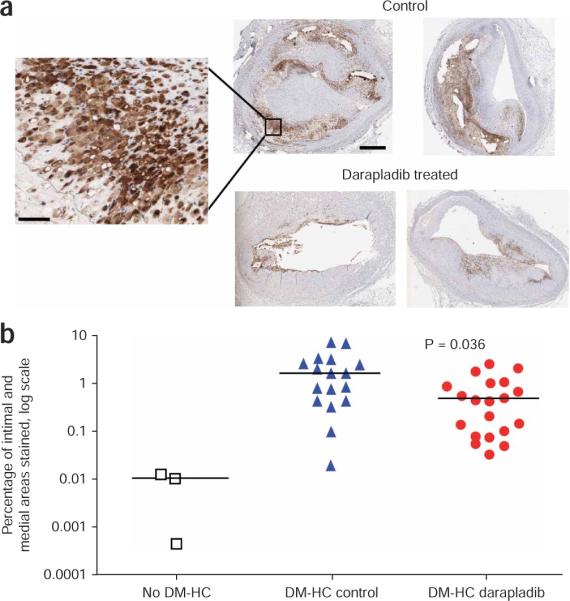
Darapladib (SB-480848) ameliorated atherosclerosis in LDLR-deficient (LDLR-/-) mice: ① Animal model: 8-week-old male LDLR-/- mice fed a high-fat diet (HFD, 21% fat, 0.15% cholesterol) for 12 weeks; ② Treatment: Mice were randomized to 3 groups (n=8/group): Vehicle (0.5% CMC, oral gavage), Darapladib low dose (10 mg/kg/day), Darapladib high dose (30 mg/kg/day); ③ Efficacy outcomes: ① Aortic plaque area: High-dose group showed a ~45% reduction vs. vehicle (Oil Red O staining of aortic root cross-sections); ② Plasma Lp-PLA2 activity: High-dose group inhibited activity by ~80% (enzymatic assay); ③ Inflammatory markers: Plasma TNF-α and IL-6 levels reduced by ~35% and ~40%, respectively (ELISA); ④ Lipid profile: No significant changes in plasma TC, TG, or LDL-C, but HDL-C increased by ~15% (high-dose group, biochemical assay) [3] - Darapladib (SB-480848) exhibited dose-dependent Lp-PLA2 inhibition in cynomolgus monkeys: Oral administration of 0.3–3 mg/kg/day for 7 days inhibited plasma Lp-PLA2 activity by ~50% (0.3 mg/kg) to ~90% (3 mg/kg), with inhibition sustained for >24 hours post-dosing [4] |
| Enzyme Assay |
Fluorescent Substrate-Based Lp-PLA2 Assay for Darapladib (SB-480848): 1) Prepare reaction mixture (100 μL total volume) containing 50 mM Tris-HCl buffer (pH 7.4), 150 mM NaCl, 5 mM CaCl2, 0.1% BSA, 1 μM fluorescent substrate (1-palmitoyl-2-(5-fluoresceinylcarboxypentanoyl)-sn-glycero-3-phosphorylcholine), and serial concentrations of darapladib (0.001–100 nM). 2) Add 5 ng of human recombinant Lp-PLA2 to initiate the reaction, incubate at 37°C for 30 minutes. 3) Terminate the reaction by adding 10 μL of 10% SDS. 4) Measure fluorescence intensity at excitation 485 nm and emission 535 nm using a microplate reader. 5) Calculate enzyme activity as the percentage of fluorescence vs. vehicle control, fit dose-response curves to determine IC50 [1]
- Plasma Lp-PLA2 Activity Assay for Darapladib (SB-480848): 1) Collect human plasma (50 μL), mix with 50 μL of darapladib solution (final concentration 0.1–100 nM) or vehicle (0.1% DMSO), incubate at 37°C for 15 minutes. 2) Add 100 μL of reaction buffer (containing 50 mM Tris-HCl, pH 7.4, 150 mM NaCl, 5 mM CaCl2, and 2 μM fluorescent substrate) to the plasma-darapladib mixture. 3) Incubate at 37°C for 60 minutes, measure fluorescence as described above. 4) Normalize activity to plasma protein concentration (BCA assay) to account for inter-sample variability [4] |
| Cell Assay |
Apoptosis Analysis[2]
Cell Types: C6 glioma cells and U251MG cells. Tested Concentrations: 5 μM Incubation Duration: 3, 6 h Experimental Results: Triggered cell apoptosis in glioma cells. Cell Cycle Analysis[2] Cell Types: C6 glioma cells and U251MG cells. Tested Concentrations: 5 μM Incubation Duration: 6, 12 h Experimental Results: Induced cell cycle arrest in glioma cells. Western Blot Analysis[2] Cell Types: C6 glioma cells and U251MG cells. Tested Concentrations: 5 μM Incubation Duration: 5, 15, 30, 60 and 90 min Experimental Results: Induced an increase in phosphorylation of ERK1/2 proteins, but decreased AKT phosphorylation in glioma cells. Glioma Cell Apoptosis and Mitochondrial Function Assay for Darapladib (SB-480848): 1) Cell culture: U87/U251 glioma cells were cultured in DMEM with 10% FBS, 100 U/mL penicillin, and 100 μg/mL streptomycin at 37°C, 5% CO2. 2) Cell viability assay: Seed cells (5×10³ cells/well) in 96-well plates, incubate for 24 hours, treat with darapladib (5–40 μM) for 48 hours, add MTT reagent (5 mg/mL) and incubate for 4 hours, dissolve formazan crystals with DMSO, measure absorbance at 570 nm. 3) Apoptosis assay: Seed cells (1×10⁵ cells/well) in 6-well plates, treat with 20 μM darapladib for 48 hours, harvest cells, stain with Annexin V-FITC/PI, analyze via flow cytometry. 4) Western blot: Lyse treated cells in RIPA buffer (with protease inhibitors), separate proteins via SDS-PAGE, transfer to PVDF membranes, incubate with antibodies against cleaved caspase-3, Bax, Bcl-2, and GAPDH (loading control), visualize with chemiluminescence. 5) Mitochondrial assays: ① ROS: Stain cells with DCFH-DA (10 μM) for 30 minutes, measure fluorescence via flow cytometry; ② ΔΨm: Stain with JC-1 (5 μM) for 20 minutes, analyze red/green fluorescence ratio; ③ ATP: Use luciferase-based ATP kit, measure luminescence [2] - Macrophage Foam Cell Formation Assay for Darapladib (SB-480848): 1) Differentiate THP-1 cells into macrophages with 100 nM PMA for 48 hours. 2) Pretreat macrophages with darapladib (1–10 nM) for 24 hours, then stimulate with 50 μg/mL ox-LDL for another 24 hours. 3) Fix cells with 4% paraformaldehyde, stain with Oil Red O for 30 minutes, elute dye with isopropanol, measure absorbance at 510 nm to quantify lipid accumulation. 4) Extract total RNA from cells, perform RT-PCR with CD36-specific primers, normalize to GAPDH [3] |
| Animal Protocol |
Animal/Disease Models: Male homozygous LDLR-deficient mice (C57/Bl6 genetic background)[3].
Doses: 50 mg/kg Route of Administration: Oral administration; one time/day for 6 weeks. Experimental Results: Dramatically inhibited activity of serum Lp-PLA2. LDLR-/- Mouse Atherosclerosis Model for Darapladib (SB-480848): 1) Animal selection: 8-week-old male C57BL/6-LDLR-/- mice (20–25 g), housed under 12 h light/dark cycle, 22±2°C, with free access to food/water. 2) Grouping: Mice randomized to 3 groups (n=8/group): ① Vehicle: 0.5% carboxymethyl cellulose (CMC) in normal saline, oral gavage once daily; ② Low-dose darapladib: 10 mg/kg/day, dissolved in 0.5% CMC, oral gavage; ③ High-dose darapladib: 30 mg/kg/day, dissolved in 0.5% CMC, oral gavage. 3) Diet and treatment duration: All groups fed high-fat diet (HFD, 21% fat, 0.15% cholesterol) for 12 weeks, with drug administration starting on the first day of HFD. 4) Sample collection: At endpoint, mice were anesthetized with isoflurane, blood collected via retro-orbital plexus (for plasma Lp-PLA2 activity, lipid profile, and cytokine assays); aorta dissected, fixed in 4% paraformaldehyde (for plaque staining) or frozen at -80°C (for molecular analysis). 5) Plaque analysis: Aortic roots embedded in paraffin, sectioned (5 μm), stained with Oil Red O, image analyzed to quantify plaque area [3] |
| ADME/Pharmacokinetics |
Dalapramide (SB-480848) showed good oral bioavailability and pharmacokinetics in preclinical animal models: ① Oral absorption: Bioavailability in rats (10 mg/kg orally) was approximately 30%, and in cynomolgus monkeys (3 mg/kg orally) it was approximately 50%; ② Plasma half-life (t1/2): Approximately 4 hours in rats and approximately 6 hours in cynomolgus monkeys; ③ Distribution: Volume of distribution (Vd) in rats was approximately 1.2 L/kg, indicating moderate tissue permeability; ④ Metabolism: Mainly metabolized in the liver via CYP3A4 (in vitro microsomal assay), with no major active metabolites; ⑤ Excretion: Approximately 60% of the drug was excreted in feces (original drug) and approximately 25% in urine (metabolites) in rats [4]
- Dalapramide (SB-480848) showed linear pharmacokinetic characteristics in humans (Phase I study): 10–400 mg orally After dose, Cmax (10 ng/mL at 10 mg and 400 ng/mL at 400 mg) and AUC (50 ng·h/mL at 10 mg and 2000 ng·h/mL at 400 mg) both increased proportionally to the dose, and t1/2 was approximately 8 hours [4] |
| Toxicity/Toxicokinetics |
Dalapradil (SB-480848) showed low in vitro toxicity: ① In normal human astrocytes (NHA), 40 μM dalapradil had no significant effect on cell viability (viability >90% compared to the control group, MTT assay), indicating selective toxicity to glioma cells [2]; ② At concentrations up to 10 μM, no inhibition of major CYP enzymes (CYP1A2, CYP2C9, CYP2C19, CYP2D6, CYP3A4) was observed (in vitro microsomal inhibition assay) [4] - Dalapradil (SB-480848) had good preclinical toxicity characteristics: ① In a 4-week rat toxicity study (10–100 mg/kg/day orally): there were no deaths, and no significant changes in body weight, organ weight (liver, kidney) or serum ALT/AST/creatinine levels; ② In a 13-week rat toxicity study: In the monkey toxicity studies (3–30 mg/kg/day orally): no adverse effects on hematology, clinical chemistry, or histopathology (liver, kidney, heart) were observed.[4] - Dapradil (SB-480848) has a plasma protein binding rate >99% in human, rat, and monkey plasma (ultrafiltration).[4]
|
| References |
|
| Additional Infomation |
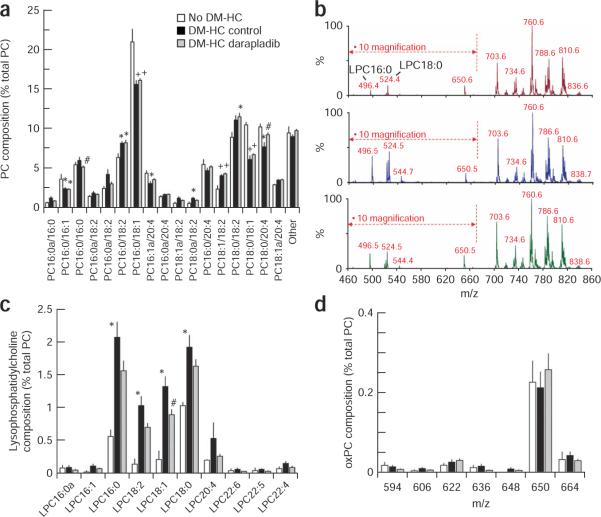
Dalapradil is a substituted pyrimidinone drug that inhibits lipoprotein-associated phospholipase A2 (Lp-PLA2). Lp-PLA2 is an important regulator of lipid metabolism and inflammation; it circulates with lipoprotein particles and enters the arterial wall along with low-density lipoprotein particles during the progression of atherosclerosis. Drug Indications It has been studied for the treatment of atherosclerosis. Mechanism of Action Dalapradil is a selective lipoprotein-associated phospholipase A2 (Lp-PLA2) inhibitor. Lp-PLA2 is an upstream enzymatic mediator of the inflammatory process. Experimental evidence suggests that the breakdown products of oxidized low-density lipoprotein C (LDL-C), such as lysophosphatidylcholine and oxidized non-esterified fatty acids, have pro-inflammatory and pro-apoptotic effects. These products are suspected of contributing to the progression of atherosclerosis and increased plaque vulnerability, thereby increasing the risk of cardiovascular disease.
Dalaprabid (SB-480848) was identified as a clinical candidate by GlaxoSmithKline (GSK) in 2003 and was initially developed for the treatment of atherosclerosis and coronary artery disease (CAD) due to its selective Lp-PLA2 inhibitory activity [1,4]. - The anti-atherosclerotic mechanism of darapladib (SB-480848) includes: ① inhibiting Lp-PLA2-mediated hydrolysis of oxidized phospholipids (e.g., ox-PAPC) into pro-inflammatory lipids (e.g., lysophosphatidylcholine, LPC) and oxidized fatty acids; ② reducing macrophage infiltration and foam cell formation in atherosclerotic plaques; ③ inhibiting local and systemic inflammation [3,4] - Darapladib (SB-480848) was in Phase III clinical trials for coronary artery disease (CAD) (e.g., the SOLID-TIMI 52 trial), but its development was terminated in 2014 due to failure to meet the primary endpoint of reducing major adverse cardiovascular events (MACE) [4] - In addition to cardiovascular disease, Darapladib (SB-480848) It also showed potential to exert anti-glioma activity by inducing mitochondrial dysfunction and apoptosis, suggesting its potential for cancer treatment [2] |
| Molecular Formula |
C36H38F4N4O2S
|
|---|---|
| Molecular Weight |
666.7711
|
| Exact Mass |
666.265
|
| CAS # |
356057-34-6
|
| Related CAS # |
1389264-17-8 (Darapladib-impurity)
|
| PubChem CID |
9939609
|
| Appearance |
White to off-white solid powder
|
| Density |
1.3±0.1 g/cm3
|
| Boiling Point |
741.0±70.0 °C at 760 mmHg
|
| Flash Point |
401.9±35.7 °C
|
| Vapour Pressure |
0.0±2.4 mmHg at 25°C
|
| Index of Refraction |
1.594
|
| LogP |
8.27
|
| Hydrogen Bond Donor Count |
0
|
| Hydrogen Bond Acceptor Count |
8
|
| Rotatable Bond Count |
13
|
| Heavy Atom Count |
47
|
| Complexity |
1120
|
| Defined Atom Stereocenter Count |
0
|
| SMILES |
FC1=CC=C(CSC(N(CC(N(CCN(CC)CC)CC2=CC=C(C3=CC=C(C(F)(F)F)C=C3)C=C2)=O)C4=C5CCC4)=NC5=O)C=C1
|
| InChi Key |
WDPFJWLDPVQCAJ-UHFFFAOYSA-N
|
| InChi Code |
InChI=1S/C36H38F4N4O2S/c1-3-42(4-2)20-21-43(22-25-8-12-27(13-9-25)28-14-16-29(17-15-28)36(38,39)40)33(45)23-44-32-7-5-6-31(32)34(46)41-35(44)47-24-26-10-18-30(37)19-11-26/h8-19H,3-7,20-24H2,1-2H3
|
| Chemical Name |
N-[2-(diethylamino)ethyl]-2-[[(4-fluorophenyl)methyl]thio]-4,5,6,7-tetrahydro-4-oxo-N-[[4-(trifluoromethyl)[1,1-biphenyl]-4-yl]methyl]-1H-Cyclopentapyrimidine-1-acetamide
|
| Synonyms |
SB-480848; SB 480848; Darapladib;SB480848
|
| HS Tariff Code |
2934.99.9001
|
| Storage |
Powder -20°C 3 years 4°C 2 years In solvent -80°C 6 months -20°C 1 month |
| Shipping Condition |
Room temperature (This product is stable at ambient temperature for a few days during ordinary shipping and time spent in Customs)
|
| Solubility (In Vitro) |
DMSO: 100 mg/mL (150.0 mM)
Water: 1 mg/mL (Insoluble) Ethanol: 100 mg/mL (150.0 mM) |
|---|---|
| Solubility (In Vivo) |
Solubility in Formulation 1: ≥ 2.5 mg/mL (3.75 mM) (saturation unknown) in 10% DMSO + 40% PEG300 + 5% Tween80 + 45% Saline (add these co-solvents sequentially from left to right, and one by one), clear solution.
For example, if 1 mL of working solution is to be prepared, you can add 100 μL of 25.0 mg/mL clear DMSO stock solution to 400 μL PEG300 and mix evenly; then add 50 μL Tween-80 to the above solution and mix evenly; then add 450 μL normal saline to adjust the volume to 1 mL. Preparation of saline: Dissolve 0.9 g of sodium chloride in 100 mL ddH₂ O to obtain a clear solution. Solubility in Formulation 2: ≥ 2.5 mg/mL (3.75 mM) (saturation unknown) in 10% DMSO + 90% (20% SBE-β-CD in Saline) (add these co-solvents sequentially from left to right, and one by one), clear solution. For example, if 1 mL of working solution is to be prepared, you can add 100 μL of 25.0 mg/mL clear DMSO stock solution to 900 μL of 20% SBE-β-CD physiological saline solution and mix evenly. Preparation of 20% SBE-β-CD in Saline (4°C,1 week): Dissolve 2 g SBE-β-CD in 10 mL saline to obtain a clear solution. View More
Solubility in Formulation 3: ≥ 2.5 mg/mL (3.75 mM) (saturation unknown) in 10% DMSO + 90% Corn Oil (add these co-solvents sequentially from left to right, and one by one), clear solution. |
| Preparing Stock Solutions | 1 mg | 5 mg | 10 mg | |
| 1 mM | 1.4998 mL | 7.4988 mL | 14.9977 mL | |
| 5 mM | 0.3000 mL | 1.4998 mL | 2.9995 mL | |
| 10 mM | 0.1500 mL | 0.7499 mL | 1.4998 mL |
*Note: Please select an appropriate solvent for the preparation of stock solution based on your experiment needs. For most products, DMSO can be used for preparing stock solutions (e.g. 5 mM, 10 mM, or 20 mM concentration); some products with high aqueous solubility may be dissolved in water directly. Solubility information is available at the above Solubility Data section. Once the stock solution is prepared, aliquot it to routine usage volumes and store at -20°C or -80°C. Avoid repeated freeze and thaw cycles.
Calculation results
Working concentration: mg/mL;
Method for preparing DMSO stock solution: mg drug pre-dissolved in μL DMSO (stock solution concentration mg/mL). Please contact us first if the concentration exceeds the DMSO solubility of the batch of drug.
Method for preparing in vivo formulation::Take μL DMSO stock solution, next add μL PEG300, mix and clarify, next addμL Tween 80, mix and clarify, next add μL ddH2O,mix and clarify.
(1) Please be sure that the solution is clear before the addition of next solvent. Dissolution methods like vortex, ultrasound or warming and heat may be used to aid dissolving.
(2) Be sure to add the solvent(s) in order.
| NCT Number | Recruitment | interventions | Conditions | Sponsor/Collaborators | Start Date | Phases |
| NCT01873339 | Completed | Drug: Darapladib Drug: Midazolam |
Atherosclerosis | GlaxoSmithKline | June 19, 2013 | Phase 1 |
| NCT02000804 | Completed | Drug: darapladib 160mg | Atherosclerosis | GlaxoSmithKline | October 23, 2013 | Phase 1 |
| NCT01852565 | Completed | Drug: Darapladib Drug: Diltiazem |
Atherosclerosis | GlaxoSmithKline | May 14, 2013 | Phase 1 |
| NCT00704431 | Completed | Drug: SB-480848 (darapladib) | Atherosclerosis | GlaxoSmithKline | May 2008 | Phase 1 |
|
|---|
|
|
Products are for research use only; We do not sell to patients
Copyright 2020 InvivoChem LLC | All Rights Reserved


 COA
COA