| Size | Price | Stock | Qty |
|---|---|---|---|
| 5mg |
|
||
| 10mg |
|
||
| 25mg |
|
||
| 50mg |
|
||
| 100mg |
|
||
| 250mg |
|
||
| 500mg |
|
||
| Other Sizes |


Purity: ≥98%
| Targets |
From [2]: Downregulates cyclin-dependent kinase-like 3 (CDKL3) protein expression (no IC50/Ki reported, acts as a negative regulator of CDKL3 in cholangiocarcinoma cells) [2]
- From [3]: Targets Akt/GSK3β/cyclin D1 signaling pathway and induces reactive oxygen species (ROS); no direct enzyme inhibition IC50/Ki, but suppresses p-Akt (Ser473) and p-GSK3β (Ser9) activity in colon cancer cells [3] - From [4]: Inhibits JNK1/2 (Thr183/Tyr185), Akt (Ser473), and NF-κB (p65) activation; downregulates matrix metalloproteinase-9 (MMP-9) (no IC50/Ki for kinase inhibition, focuses on signaling modulation) [4] - From [1]: Modulates multiple targets: Bcl-2 (anti-apoptotic), Bax (pro-apoptotic), Caspase-3, and vascular endothelial growth factor (VEGF) (no IC50/Ki, regulates protein expression in various cancer cells) [1] |
|---|---|
| ln Vitro |
The principal substance isolated from turmeric root is called curcumin ((-)-Curcumol). By downregulating CDKL3, curcumin inhibits the growth of cholangiocarcinoma cells [2]. Curcumin uses reactive oxygen species and the Akt/GSK3β/cyclin D1 pathway to cause cell cycle arrest in colon cancer cells [3]. Through JNK1/2 and Akt-dependent NF-κB signaling pathways, curcumin inhibits MMP-9 and hence prevents breast cancer cells from metastasizing [4].
Cholangiocarcinoma cell activity (from [2]): In human cholangiocarcinoma cells (QBC939, RBE): - Curcumol (5–40 μM) inhibits proliferation: IC50 = 20 μM (QBC939, 72 h CCK-8 assay), IC50 = 25 μM (RBE, 72 h CCK-8 assay); - 20 μM downregulates CDKL3 protein by 60% (western blot) and mRNA by 55% (qPCR); - 30 μM induces apoptosis: Annexin V-positive cells = 35% vs. 8% (vehicle), with 2.5-fold increase in Caspase-3 activity [2] - Colon cancer cell activity (from [3]): In human colon cancer cells (HCT116, SW480): - Curcumol (10–40 μM) inhibits proliferation: IC50 = 15 μM (HCT116, 72 h MTT assay), IC50 = 18 μM (SW480, 72 h MTT assay); - 20 μM induces G1 phase arrest: G1 cell ratio increases from 40% (vehicle) to 60% (flow cytometry), with cyclin D1 downregulated by 70% (western blot); - 20 μM increases intracellular ROS by 2.5-fold (DCFH-DA staining) and suppresses p-Akt (Ser473) by 80%, p-GSK3β (Ser9) by 75% [3] - Breast cancer cell anti-metastatic activity (from [4]): In human breast cancer cells (MDA-MB-231, MCF-7): - Curcumol (10–20 μM) inhibits migration (Transwell assay): 20 μM reduces migration by 60% (MDA-MB-231) vs. vehicle; - 20 μM inhibits invasion (Matrigel-coated Transwell): 75% reduction in MDA-MB-231 cells; - 20 μM downregulates MMP-9 by 65% (qPCR) and suppresses p-JNK1/2 (80%), p-Akt (70%), and NF-κB p65 nuclear translocation (60%) [4] - Pan-cancer antiproliferative activity (from [1]): In human cancer cells (HepG2: liver; A549: lung; HeLa: cervical): - Curcumol (15–30 μM) inhibits proliferation: IC50 = 22 μM (HepG2), IC50 = 25 μM (A549), IC50 = 28 μM (HeLa); - 25 μM induces apoptosis: Caspase-3 activity increases by 3-fold, Bcl-2 downregulated by 60%, Bax upregulated by 2-fold (western blot) [1] |
| ln Vivo |
Anti-neoplastic effects of curcumol were also confirmed in tumor bearing mice. Curcumol (60 mg/kg daily) significantly reduced tumor size without causing notable toxicity.
Cholangiocarcinoma xenograft efficacy (from [2]): Female nude mice (6–8 weeks old) bearing QBC939 xenografts were treated with Curcumol (20 mg/kg, 40 mg/kg, intraperitoneal injection, daily) for 21 days: - 40 mg/kg reduces tumor weight by 65%: 0.4 g (treated) vs. 1.1 g (vehicle); - Tumor lysates show 70% lower CDKL3 and 60% lower Ki-67 (proliferation marker) vs. vehicle; - No significant body weight loss (<3%) [2] - Colon cancer xenograft efficacy (from [3]): Male nude mice (6–8 weeks old) bearing HCT116 xenografts were treated with Curcumol (15 mg/kg, 30 mg/kg, oral gavage, daily) for 28 days: - 30 mg/kg reduces tumor volume by 70%: 320 mm³ (treated) vs. 1050 mm³ (vehicle); - Colon tissue histopathology: no mucosal damage; liver/spleen weight unchanged vs. vehicle [3] - Breast cancer lung metastasis efficacy (from [4]): Female BALB/c nude mice injected with MDA-MB-231 cells (tail vein) were treated with Curcumol (20 mg/kg, tail vein injection, twice weekly) for 4 weeks: - 20 mg/kg reduces lung metastatic nodules by 80%: 5 nodules (treated) vs. 25 nodules (vehicle); - Lung tissue homogenates show 75% lower MMP-9 and 70% lower p-NF-κB vs. vehicle [4] - Liver cancer allograft efficacy (from [1]): Male Kunming mice bearing H22 liver cancer allografts were treated with Curcumol (30 mg/kg, intraperitoneal injection, daily) for 14 days: - Tumor growth inhibition rate = 60%; - Serum VEGF decreases by 55% (ELISA); no abnormal liver/kidney function (ALT/AST/creatinine normal) [1] |
| Enzyme Assay |
ROS detection assay (from [3]):
1. HCT116 cells (1×10⁵ cells/well) were seeded in 24-well plates and incubated overnight at 37°C (5% CO₂).
2. Serial concentrations of Curcumol (10/20/30 μM) were added, and cells were cultured for 24 h.
3. Cells were washed with PBS, then incubated with DCFH-DA probe (10 μM) in serum-free medium for 30 min at 37°C.
4. After washing twice with PBS, fluorescence intensity was measured via flow cytometry (excitation 488 nm, emission 525 nm). Relative ROS levels were calculated vs. vehicle (20 μM Curcumol increased ROS by 2.5-fold) [3]
- MMP-9 enzyme activity assay (from [4]): 1. MDA-MB-231 cells (2×10⁶ cells/well) were seeded in 6-well plates, treated with Curcumol (10/20 μM) for 48 h, and culture supernatants were collected. 2. Supernatants (50 μL) were mixed with MMP-9 substrate (50 μM) in reaction buffer (50 mM Tris-HCl pH 7.5, 10 mM CaCl₂) and incubated at 37°C for 2 h. 3. Absorbance at 405 nm was measured to quantify MMP-9 activity. 20 μM Curcumol reduced MMP-9 activity by 65% vs. vehicle [4] - Akt kinase activity assay (from [3]): 1. HCT116 cells treated with 20 μM Curcumol for 24 h were lysed, and p-Akt (Ser473) was immunoprecipitated using anti-p-Akt antibody. 2. Immunoprecipitates were incubated with Akt substrate peptide (1 μg/mL) and ATP (10 μM) in kinase buffer (50 mM Tris-HCl pH 7.5, 10 mM MgCl₂) at 37°C for 30 min. 3. Phosphorylated substrate was detected via western blot with anti-phospho-Akt substrate antibody. 20 μM Curcumol reduced Akt kinase activity by 75% vs. vehicle [3] |
| Cell Assay |
Cholangiocarcinoma cell proliferation assay (from [2]):
1. QBC939/RBE cells (5×10³ cells/well) were seeded in 96-well plates and incubated overnight at 37°C (5% CO₂).
2. Serial concentrations of Curcumol (5/10/20/40 μM) were added, and cells were cultured for 72 h.
3. CCK-8 reagent (10 μL/well) was added, and incubation continued for 2 h. Absorbance at 450 nm was measured to calculate cell viability and IC50 [2]
- Colon cancer cell cycle assay (from [3]): 1. HCT116 cells (2×10⁵ cells/well) were seeded in 6-well plates, treated with Curcumol (15/30 μM) for 48 h, then trypsinized and washed with PBS. 2. Cells were fixed with 70% ethanol at 4°C overnight, then stained with PI solution (50 μg/mL PI, 100 μg/mL RNase) for 30 min in the dark. 3. Cell cycle distribution was analyzed via flow cytometry. 30 μM Curcumol increased G1 phase cells from 40% (vehicle) to 60% [3] - Breast cancer cell migration assay (from [4]): 1. MDA-MB-231 cells (1×10⁴ cells/well) were suspended in serum-free medium and seeded into the upper chamber of Transwell inserts (8 μm pore size). 2. The lower chamber was filled with medium containing 10% FBS (chemoattractant), and Curcumol (10/20 μM) was added to the upper chamber. 3. After 24 h incubation at 37°C (5% CO₂), cells on the upper surface were removed with a cotton swab; cells on the lower surface were fixed with methanol, stained with crystal violet, and counted. 20 μM Curcumol reduced migrated cells by 60% [4] - Cancer cell apoptosis assay (from [1]): 1. HepG2 cells (1×10⁵ cells/well) were treated with Curcumol (20/25 μM) for 48 h, then washed with PBS and stained with Annexin V-FITC/PI for 15 min in the dark. 2. Apoptosis was analyzed via flow cytometry. 25 μM Curcumol increased Annexin V-positive cells from 8% (vehicle) to 45% [1] |
| Animal Protocol |
60 mg/kg Mice
QBC939 cholangiocarcinoma xenograft protocol (from [2]): 1. Female nude mice (6–8 weeks old, n=6/group) were subcutaneously injected with 5×10⁶ QBC939 cells (100 μL PBS/matrigel, 1:1) into the right flank on day 0. 2. When tumors reached ~100 mm³ (day 7), mice were randomized into 3 groups: - Vehicle: normal saline, intraperitoneal injection, daily; - Curcumol 20 mg/kg: dissolved in normal saline, intraperitoneal injection, daily; - Curcumol 40 mg/kg: same solvent and route as 20 mg/kg group. 3. Treatment lasted 21 days. Tumor weight was measured at euthanasia; tumor tissues were collected for western blot (CDKL3, Ki-67) [2] - HCT116 colon cancer xenograft protocol (from [3]): 1. Male nude mice (6–8 weeks old, n=6/group) were subcutaneously injected with 2×10⁶ HCT116 cells (100 μL PBS) into the right flank on day 0. 2. When tumors reached ~80 mm³ (day 10), mice were randomized into 3 groups: - Vehicle: 0.5% methylcellulose (CMC) in PBS, oral gavage, daily; - Curcumol 15 mg/kg: dissolved in 0.5% CMC, oral gavage, daily; - Curcumol 30 mg/kg: same solvent and route as 15 mg/kg group. 3. Treatment lasted 28 days. Tumor volume (length×width²/2) was measured every 3 days. At euthanasia, liver/colon tissues were collected for histopathology [3] - MDA-MB-231 breast cancer metastasis protocol (from [4]): 1. Female BALB/c nude mice (6–8 weeks old, n=6/group) were injected with 1×10⁶ MDA-MB-231 cells via tail vein on day 0. 2. On day 2, mice were randomized into 2 groups: - Vehicle: normal saline, tail vein injection, twice weekly; - Curcumol 20 mg/kg: dissolved in normal saline, tail vein injection, twice weekly. 3. Treatment lasted 4 weeks. Mice were euthanized, lungs were harvested, and metastatic nodules were counted under a microscope; lung tissues were homogenized for MMP-9 ELISA [4] - H22 liver cancer allograft protocol (from [1]): 1. Male Kunming mice (20–22 g, n=6/group) were subcutaneously injected with 1×10⁷ H22 cells into the right forelimb on day 0. 2. On day 3, mice were randomized into 2 groups: - Vehicle: normal saline, intraperitoneal injection, daily; - Curcumol 30 mg/kg: dissolved in normal saline, intraperitoneal injection, daily. 3. Treatment lasted 14 days. Tumor weight was measured at euthanasia; serum was collected for VEGF ELISA and liver/kidney function tests [1] |
| ADME/Pharmacokinetics |
Oral bioavailability in rats (from [1]): Male Sprague-Dawley rats (250–300 g, n=4 per group) were given curcumin by gavage (20 mg/kg) or intravenous injection (5 mg/kg): - Oral bioavailability = 35%; - Oral administration: Cmax = 1.8 μg/mL (Tmax = 2 h), terminal half-life (t1/2) = 4.5 h, AUC0-24 h = 12.5 μg·h/mL; - Intravenous injection: Cmax = 6.2 μg/mL, t1/2 = 3.8 h, AUC0-∞ = 35.7 μg·h/mL [1]
- Tissue distribution in mice (from [1]): Male Kunming mice (20–22 g, n=3 per time point) were given a single intraperitoneal injection of curcumin (30 mg/kg). Two hours after administration: - Liver concentration = 2.5 μg/g, lung tissue concentration = 1.8 μg/g, tumor tissue concentration = 1.6 μg/g, plasma concentration = 1.2 μg/mL; - The highest concentration was in the liver, followed by the lung and tumor [1] - Plasma protein binding rate (cited from [1]): In human plasma, the protein binding rate of curcumin was 88% (measured by equilibration dialysis at 37°C for 4 hours) [1] - Metabolism (cited from [1]): In rat liver microsomes, curcumin is mainly metabolized by hydroxylation; the main metabolite is 11-hydroxycurcumin (accounting for 60% of the total metabolites in 1 hour) [1] |
| Toxicity/Toxicokinetics |
Acute toxicity in mice (cited from [1]): male Kunming mice (20–22 g) were given a single intraperitoneal injection of curcumin (50–200 mg/kg). The median lethal dose (LD50) was calculated to be 150 mg/kg; no significant toxic reactions (e.g., drowsiness, diarrhea) were observed at doses ≤100 mg/kg [1]
- Repeated-dose toxicity in rats (cited from [1]): Male/female Sprague-Dawley rats (250–300 g, n=4 per sex per group) were administered curcumin (30 mg/kg, 60 mg/kg) by gavage daily for 28 days: - No deaths or significant weight loss (<4%); - Slightly elevated serum ALT in the 60 mg/kg group (65 U/L, 40 U/L in the control group), which returned to normal 7 days after drug withdrawal; - Serum creatinine and blood urea nitrogen (renal function) in all groups were within the normal range [1] - Safety in normal cells in vitro (cited from [2,3]): - Human normal hepatocytes LO2 were subjected to curcumin (≤40 mg/kg) - Treatment with curcumin (≤30 μM) for 72 hours: cell viability >85% (CCK-8 method) [2]; - Treatment of normal human colon cells NCM460 with curcumin (≤30 μM) for 72 hours: cell viability >90% (MTT method) [3] - In vivo organ safety (cited from [3,4]): - Treatment of nude mice with curcumin (30 mg/kg, orally, for 28 days): no histopathological abnormalities were observed in the liver, lungs and kidneys [3]; - Treatment of BALB/c nude mice with curcumin (20 mg/kg, intravenously, for 4 weeks): serum creatinine and blood urea nitrogen were normal [4] |
| References |
|
| Additional Infomation |
Curcumin is a sesquiterpene compound.
It has been reported that curcumin exists in turmeric (Curcuma aromatica), wenyujin and Cunninghamella blakesleeana, and there is relevant data. Background (cited from [1]): Curcumin is a sesquiterpene compound extracted from the rhizome of Curcuma zedoaria (a traditional Chinese medicine). It is used in traditional Chinese medicine to promote blood circulation and remove blood stasis; modern research mainly focuses on its anticancer properties [1]. - Mechanism of action (cited from [1,2,3,4]): Curcumin exerts its anticancer effects through multiple pathways: 1. Downregulating CDKL3 to inhibit the proliferation of cholangiocarcinoma cells [2]; 2. Inducing ROS, inhibiting the Akt/GSK3β signaling pathway, and blocking the G1 phase to inhibit colon cancer growth [3]; 3. Inhibiting the JAK1/2/Akt/NF-κB signaling pathway and downregulating MMP-9, thereby inhibiting breast cancer metastasis [4]; 4. Promoting apoptosis in various cancer cells (Caspase-3 activation, Bcl-2/Bax regulation) and inhibiting angiogenesis (VEGF downregulation) [1] - Therapeutic potential (cited from [1]): Preclinical data support curcumin as a potential adjuvant anticancer drug for cholangiocarcinoma, colon cancer, breast cancer, and liver cancer. Its low toxicity to normal cells makes it a promising candidate for further clinical development [1] - Formulation limitations (cited from [1]): Curcumin has low oral bioavailability (approximately 35%), and its solubility and absorption can be improved through formulation optimization (e.g., nanoliposomes, polymer micelles) [1] |
| Molecular Formula |
C15H24O2
|
|
|---|---|---|
| Molecular Weight |
236.35
|
|
| Exact Mass |
236.177
|
|
| CAS # |
4871-97-0
|
|
| Related CAS # |
|
|
| PubChem CID |
14240392
|
|
| Appearance |
White to off-white solid powder
|
|
| Density |
1.1±0.1 g/cm3
|
|
| Boiling Point |
334.5±42.0 °C at 760 mmHg
|
|
| Melting Point |
141-142ºC
|
|
| Flash Point |
134.7±22.1 °C
|
|
| Vapour Pressure |
0.0±1.6 mmHg at 25°C
|
|
| Index of Refraction |
1.526
|
|
| Source |
Originated from plants: Zingiberaceae Curcuma phaeocaulis Valeton
|
|
| LogP |
3.25
|
|
| Hydrogen Bond Donor Count |
1
|
|
| Hydrogen Bond Acceptor Count |
2
|
|
| Rotatable Bond Count |
1
|
|
| Heavy Atom Count |
17
|
|
| Complexity |
362
|
|
| Defined Atom Stereocenter Count |
5
|
|
| SMILES |
C[C@H]1CC[C@@H]2[C@]13C[C@H]([C@](O3)(CC2=C)O)C(C)C
|
|
| InChi Key |
QRMPRVXWPCLVNI-YYFQZIEXSA-N
|
|
| InChi Code |
InChI=1S/C15H24O2/c1-9(2)13-8-14-11(4)5-6-12(14)10(3)7-15(13,16)17-14/h9,11-13,16H,3,5-8H2,1-2,4H3/t11-,12-,13-,14-,15+/m0/s1
|
|
| Chemical Name |
(3S,3aS,5S,6R,8aS)-Octahydro-3-methyl-8-methylene-5-(1-methylethyl)-6H-3a,6-epoxyazulen-6-ol
|
|
| Synonyms |
|
|
| HS Tariff Code |
2934.99.9001
|
|
| Storage |
Powder -20°C 3 years 4°C 2 years In solvent -80°C 6 months -20°C 1 month |
|
| Shipping Condition |
Room temperature (This product is stable at ambient temperature for a few days during ordinary shipping and time spent in Customs)
|
| Solubility (In Vitro) |
DMSO: 47 mg/mL (198.9 mM)
Water: 1 mg/mL (Insoluble) Ethanol: 47 mg/mL (198.9 mM) |
|---|---|
| Solubility (In Vivo) |
Solubility in Formulation 1: ≥ 2.5 mg/mL (10.58 mM) (saturation unknown) in 10% DMSO + 90% Corn Oil (add these co-solvents sequentially from left to right, and one by one), clear solution.
For example, if 1 mL of working solution is to be prepared, you can add 100 μL of 25.0 mg/mL clear DMSO stock solution to 900 μL of corn oil and mix evenly. (Please use freshly prepared in vivo formulations for optimal results.) |
| Preparing Stock Solutions | 1 mg | 5 mg | 10 mg | |
| 1 mM | 4.2310 mL | 21.1551 mL | 42.3101 mL | |
| 5 mM | 0.8462 mL | 4.2310 mL | 8.4620 mL | |
| 10 mM | 0.4231 mL | 2.1155 mL | 4.2310 mL |
*Note: Please select an appropriate solvent for the preparation of stock solution based on your experiment needs. For most products, DMSO can be used for preparing stock solutions (e.g. 5 mM, 10 mM, or 20 mM concentration); some products with high aqueous solubility may be dissolved in water directly. Solubility information is available at the above Solubility Data section. Once the stock solution is prepared, aliquot it to routine usage volumes and store at -20°C or -80°C. Avoid repeated freeze and thaw cycles.
Calculation results
Working concentration: mg/mL;
Method for preparing DMSO stock solution: mg drug pre-dissolved in μL DMSO (stock solution concentration mg/mL). Please contact us first if the concentration exceeds the DMSO solubility of the batch of drug.
Method for preparing in vivo formulation::Take μL DMSO stock solution, next add μL PEG300, mix and clarify, next addμL Tween 80, mix and clarify, next add μL ddH2O,mix and clarify.
(1) Please be sure that the solution is clear before the addition of next solvent. Dissolution methods like vortex, ultrasound or warming and heat may be used to aid dissolving.
(2) Be sure to add the solvent(s) in order.
| NCT Number | Recruitment | interventions | Conditions | Sponsor/Collaborators | Start Date | Phases |
| NCT00475683 | Completed | Other: Mouth wash Dietary Supplement: Curcumol |
Chemotherapy Induced Mucositis | Hadassah Medical Organization | January 2009 | Phase 3 |
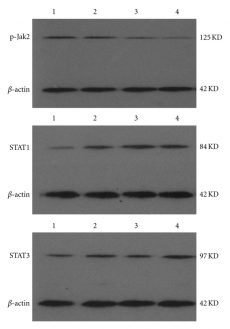
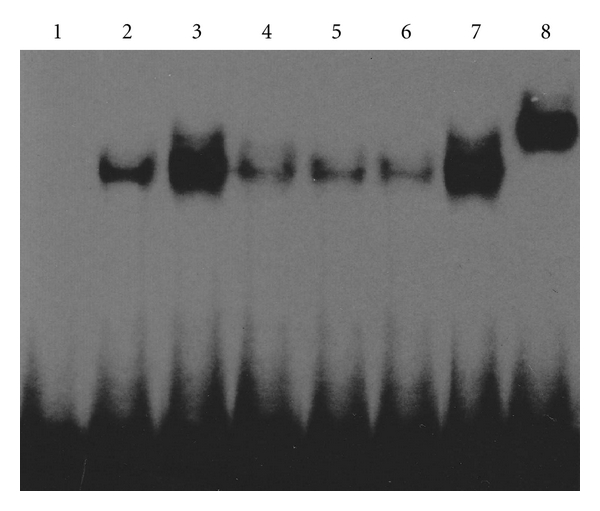
Curcumol inhibited p-Jak2 protein expression of FLS, and the STAT1 and STAT3 protein expression in FLS from patients with RA was not inhibited by curcumol.Evid Based Complement Alternat Med.2012;2012:746426. |
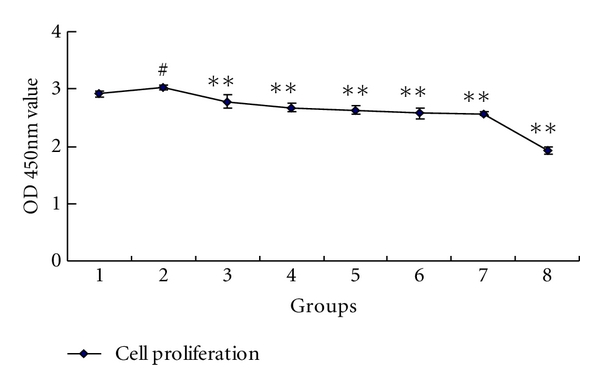
Inhibitory effect of different concentration curcumol on FLS proliferation in patients with RA.Evid Based Complement Alternat Med.2012;2012:746426. |
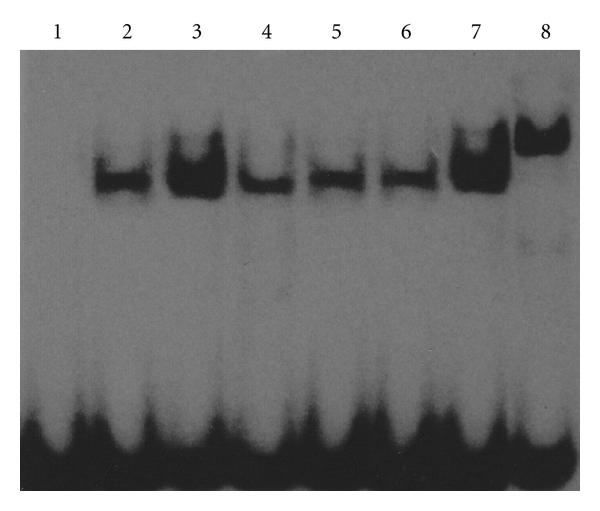
Curcumol inhibited STAT1 DNA-binding activity in FLS from patients with RA.Evid Based Complement Alternat Med.2012;2012:746426. |
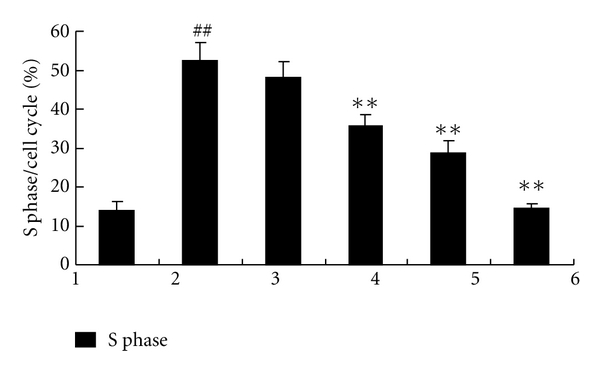
Inhibitory effect of different concentration curcumol on FLS DNA synthesis in patients with RA. |
Curcumol inhibited STAT3 DNA-binding activity in FLS from patients with RA. |
Products are for research use only; We do not sell to patients
Copyright 2020 InvivoChem LLC | All Rights Reserved


 COA
COA