| Size | Price | Stock | Qty |
|---|---|---|---|
| 1mg |
|
||
| 5mg |
|
||
| 10mg |
|
||
| 25mg |
|
||
| 50mg |
|
||
| 100mg | |||
| Other Sizes |
Purity: ≥98%
| Targets |
Curculigoside A targets multiple pathways involved in bone metabolism and oxidative stress. It promotes osteoblast differentiation by activating the BMP/Smad and Wnt/β-catenin signaling pathways. Additionally, it inhibits osteoclastogenesis by suppressing RANKL-induced NF-κB and MAPK signaling. Its antioxidant activity is mediated through the activation of the Nrf2/ARE pathway, leading to the upregulation of antioxidant enzymes. These diverse targets contribute to its osteoprotective and neuroprotective effects.
|
|---|---|
| ln Vitro |
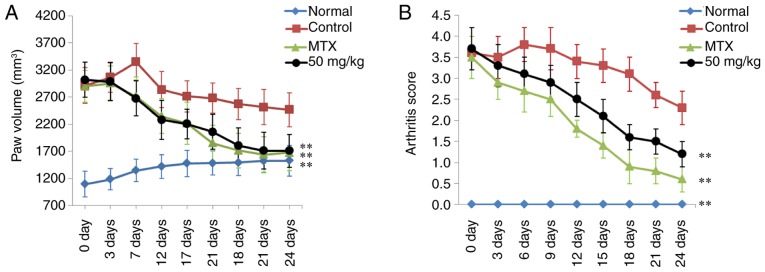
CurcuLigoside (1–64 μg/mL; 72 hours) suppresses the viability of MH7A cells [1]. When compared to the TNF-α group, the protein expression of JAK1, JAK3, and STAT3 was decreased by curcuLigoside (4–16 μg/mL; 24 hours) [1].
In vitro, curculigoside A promotes the proliferation and differentiation of osteoblasts, as evidenced by increased alkaline phosphatase (ALP) activity and mineralization. It inhibits RANKL-induced osteoclastogenesis in bone marrow-derived macrophages. The compound also exhibits antioxidant activity by scavenging free radicals and reducing oxidative stress in neuronal cells. These in vitro activities demonstrate its potential for the treatment of osteoporosis and neurodegenerative diseases. |
| ln Vivo |
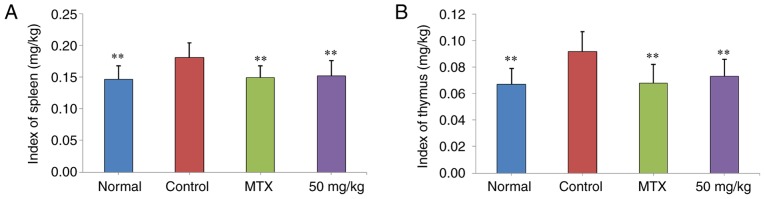
In vivo, curculigoside A has demonstrated protective effects in animal models of osteoporosis and neuronal injury. In ovariectomized rat models of osteoporosis, it improves bone mineral density and bone microarchitecture. It also exerts neuroprotective effects in models of cerebral ischemia and Alzheimer's disease by reducing oxidative stress and inflammation. These in vivo findings support its potential as a therapeutic agent for bone and neurodegenerative disorders.
|
| Enzyme Assay |
The in vitro enzyme/receptor binding assays for curculigoside A are not well-defined, as it is a natural product with multiple mechanisms of action. Its antioxidant activity can be assessed using cell-free assays such as DPPH radical scavenging and ABTS assays. Its effects on specific signaling pathways are typically studied in cellular systems rather than cell-free enzyme assays. The compound's interactions with proteins involved in bone metabolism are often studied using cellular models.
|
| Cell Assay |
Cell viability assay [1]
Cell Types: MH7A cell Tested Concentrations: 1 μg/ml; 1]. 2 μg/ml; 4 μg/ml; 8 μg/ml; 16 μg/ml; 32 μg/ml; 64 μg/ml. Incubation Duration: 72 hrs (hours). Experimental Results: Inhibitory effect on MH7A cells. Western Blot Analysis [1] Cell Types: MH7A Cell Tested Concentrations: 4 μg/ml; 64 μg/ml Incubation Duration: 24 hrs (hours) Experimental Results: JAK1, JAK3 and STAT3 protein expression was down-regulated. In vitro cellular assays for curculigoside A assess its effects on osteoblast and osteoclast differentiation. Osteoblast precursor cells (e.g., MC3T3-E1 cells) are treated with the compound, and markers of osteoblast differentiation such as ALP activity, osteocalcin expression, and mineralization are measured. Osteoclastogenesis is assessed using bone marrow-derived macrophages stimulated with RANKL in the presence of the compound. Neuroprotective effects are evaluated in neuronal cell lines exposed to oxidative stress. |
| Animal Protocol |
In vivo animal studies for curculigoside A have been conducted in rat models of osteoporosis, such as ovariectomized rats, and in models of neuronal injury, such as middle cerebral artery occlusion (MCAO) for cerebral ischemia. In these studies, curculigoside A is typically administered orally or intraperitoneally. Endpoints include bone mineral density, bone microarchitecture, markers of bone turnover, and markers of oxidative stress and inflammation in the brain.
|
| ADME/Pharmacokinetics |
Specific pharmacokinetic data for curculigoside A are not extensively detailed in the available literature. As a natural glycoside, its oral bioavailability may be limited due to poor absorption and extensive metabolism. However, its in vivo efficacy suggests that it reaches sufficient systemic concentrations to exert its effects. The compound's pharmacokinetic properties would be important for its development as a therapeutic agent.
|
| Toxicity/Toxicokinetics |
Specific toxicity data for curculigoside A are not extensively detailed in the available literature. As a natural product with a long history of use in traditional medicine, it is generally considered to have low toxicity. However, comprehensive toxicological studies would be required to establish its safety profile for therapeutic use. The compound has demonstrated protective effects in animal models without significant adverse effects at effective doses.
|
| References | |
| Additional Infomation |
According to reports, cyclophosphamide is found in Curculigo orchioides, Vitis vinifera, and other organisms for which relevant data exists.
Curculigoside A is a bioactive natural product with osteoprotective, antioxidant, and neuroprotective properties. It is a phenolic glycoside isolated from Curculigo orchioides, a plant used in traditional Chinese medicine. Its mechanisms of action involve the promotion of osteoblast differentiation, inhibition of osteoclastogenesis, and activation of antioxidant pathways. It is a research compound with potential for the treatment of osteoporosis and neurodegenerative diseases. It is not approved for clinical use. |
| Molecular Formula |
C22H26O11
|
|---|---|
| Molecular Weight |
466.4352
|
| Exact Mass |
466.147
|
| CAS # |
85643-19-2
|
| Related CAS # |
143601-09-6 (Curculigoside B);
|
| PubChem CID |
158845
|
| Appearance |
White to off-white solid powder
|
| Density |
1.5±0.1 g/cm3
|
| Boiling Point |
734.9±60.0 °C at 760 mmHg
|
| Melting Point |
158-160ºC
|
| Flash Point |
253.8±26.4 °C
|
| Vapour Pressure |
0.0±2.5 mmHg at 25°C
|
| Index of Refraction |
1.624
|
| Source |
Originated from plants: Amaryllidaceae Curculigo orchioides Gaertn.
|
| LogP |
-0.02
|
| Hydrogen Bond Donor Count |
5
|
| Hydrogen Bond Acceptor Count |
11
|
| Rotatable Bond Count |
9
|
| Heavy Atom Count |
33
|
| Complexity |
607
|
| Defined Atom Stereocenter Count |
5
|
| SMILES |
COC1=C(C(=CC=C1)OC)C(=O)OCC2=C(C=CC(=C2)O)O[C@H]3[C@@H]([C@H]([C@@H]([C@H](O3)CO)O)O)O
|
| InChi Key |
SJJRKHVKAXVFJQ-QKYBYQKWSA-N
|
| InChi Code |
InChI=1S/C22H26O11/c1-29-14-4-3-5-15(30-2)17(14)21(28)31-10-11-8-12(24)6-7-13(11)32-22-20(27)19(26)18(25)16(9-23)33-22/h3-8,16,18-20,22-27H,9-10H2,1-2H3/t16-,18-,19+,20-,22-/m1/s1
|
| Chemical Name |
[5-Hydroxy-2-[(2S,3R,4S,5S,6R)-3,4,5-trihydroxy-6-(hydroxymethyl)oxan-2-yl]oxyphenyl]methyl 2,6-dimethoxybenzoate
|
| Synonyms |
Curculigoside A Curculigoside-A
|
| HS Tariff Code |
2934.99.9001
|
| Storage |
Powder -20°C 3 years 4°C 2 years In solvent -80°C 6 months -20°C 1 month Note: This product requires protection from light (avoid light exposure) during transportation and storage. |
| Shipping Condition |
Room temperature (This product is stable at ambient temperature for a few days during ordinary shipping and time spent in Customs)
|
| Solubility (In Vitro) |
DMSO : ~100 mg/mL (~214.39 mM)
H2O : ≥ 2 mg/mL (~4.29 mM) |
|---|---|
| Solubility (In Vivo) |
Solubility in Formulation 1: ≥ 2.08 mg/mL (4.46 mM) (saturation unknown) in 10% DMSO + 40% PEG300 + 5% Tween80 + 45% Saline (add these co-solvents sequentially from left to right, and one by one), clear solution.
For example, if 1 mL of working solution is to be prepared, you can add 100 μL of 20.8 mg/mL clear DMSO stock solution to 400 μL PEG300 and mix evenly; then add 50 μL Tween-80 to the above solution and mix evenly; then add 450 μL normal saline to adjust the volume to 1 mL. Preparation of saline: Dissolve 0.9 g of sodium chloride in 100 mL ddH₂ O to obtain a clear solution. Solubility in Formulation 2: ≥ 2.08 mg/mL (4.46 mM) (saturation unknown) in 10% DMSO + 90% (20% SBE-β-CD in Saline) (add these co-solvents sequentially from left to right, and one by one), clear solution. For example, if 1 mL of working solution is to be prepared, you can add 100 μL of 20.8 mg/mL clear DMSO stock solution to 900 μL of 20% SBE-β-CD physiological saline solution and mix evenly. Preparation of 20% SBE-β-CD in Saline (4°C,1 week): Dissolve 2 g SBE-β-CD in 10 mL saline to obtain a clear solution. View More
Solubility in Formulation 3: ≥ 2.08 mg/mL (4.46 mM) (saturation unknown) in 10% DMSO + 90% Corn Oil (add these co-solvents sequentially from left to right, and one by one), clear solution. |
| Preparing Stock Solutions | 1 mg | 5 mg | 10 mg | |
| 1 mM | 2.1439 mL | 10.7195 mL | 21.4390 mL | |
| 5 mM | 0.4288 mL | 2.1439 mL | 4.2878 mL | |
| 10 mM | 0.2144 mL | 1.0719 mL | 2.1439 mL |
*Note: Please select an appropriate solvent for the preparation of stock solution based on your experiment needs. For most products, DMSO can be used for preparing stock solutions (e.g. 5 mM, 10 mM, or 20 mM concentration); some products with high aqueous solubility may be dissolved in water directly. Solubility information is available at the above Solubility Data section. Once the stock solution is prepared, aliquot it to routine usage volumes and store at -20°C or -80°C. Avoid repeated freeze and thaw cycles.
Calculation results
Working concentration: mg/mL;
Method for preparing DMSO stock solution: mg drug pre-dissolved in μL DMSO (stock solution concentration mg/mL). Please contact us first if the concentration exceeds the DMSO solubility of the batch of drug.
Method for preparing in vivo formulation::Take μL DMSO stock solution, next add μL PEG300, mix and clarify, next addμL Tween 80, mix and clarify, next add μL ddH2O,mix and clarify.
(1) Please be sure that the solution is clear before the addition of next solvent. Dissolution methods like vortex, ultrasound or warming and heat may be used to aid dissolving.
(2) Be sure to add the solvent(s) in order.
|
|
|
Products are for research use only; We do not sell to patients
Copyright 2020 InvivoChem LLC | All Rights Reserved


 COA
COA