| Size | Price | Stock | Qty |
|---|---|---|---|
| 25mg |
|
||
| 50mg |
|
||
| 100mg |
|
||
| 250mg |
|
||
| 500mg |
|
||
| 1g |
|
||
| 5g |
|
||
| Other Sizes |


Purity: =99.62%
| Targets |
ALK (IC50 = 0.2 nM); InsR (IC50 = 7 nM); IGF-1R (IC50 = 8 nM); STK22D (IC50 = 23 nM); FLT3 (IC50 = 60 nM); FGFR2 (IC50 = 260 nM)
1. Anaplastic Lymphoma Kinase (ALK) (Literatures [1], [4]) - Wild-type (WT) ALK: IC50 ~1.6 nM (recombinant human ALK, HTRF-based kinase assay)[1]; Ki ~0.5 nM (ATP-competitive binding assay via SPR)[1] - ALK resistance mutants: - L1196M (gatekeeper mutation): IC50 ~2.4 nM (same HTRF assay)[4] - G1269A: IC50 ~12 nM (same assay)[4] - C1156Y: IC50 ~3.1 nM (same assay)[1] 2. High selectivity over other kinases (Literature [1]) - No significant inhibition of 60+ non-ALK kinases (e.g., EGFR, HER2, MET, ROS1, JAKs, MAPKs) at 1 μM concentration; IC50 > 1000 nM for all tested non-ALK kinases[1] |
|---|---|
| ln Vitro |
LDK378 has a much stronger anti-proliferative effect in Ba/F3-NPM-ALK and Karpas290 cells, with IC50 values of 26.0 nM and 22.8 nM, respectively, than in Ba/F3-Tel-InsR and Ba/F3-WT cells, where the values are 319.5 nM and 2477 nM.[1]
1. Antiproliferative activity in ALK-positive cancer cells (Literatures [1], [4]): - Non-small cell lung cancer (NSCLC) cell lines: - H2228 (ALK rearrangement, EML4-ALK): 72-hour MTT assay IC50 ~2 nM; 10 nM Ceritinib reduced colony formation by ~90% (14-day methylcellulose assay)[1] - H3122 (ALK rearrangement, EML4-ALK): 72-hour SRB assay IC50 ~1.8 nM; 5 nM induced G1 cell cycle arrest in ~65% of cells (flow cytometry, 48 hours)[1] - H3122-L1196M (ALK L1196M mutant, crizotinib-resistant): 72-hour IC50 ~3.2 nM (vs. >1000 nM for crizotinib)[4] - Anaplastic large cell lymphoma (ALCL) cell line (SU-DHL-1, NPM-ALK): 72-hour IC50 ~5 nM; 20 nM increased Annexin V-positive apoptotic cells by ~50% (flow cytometry, 72 hours)[1] 2. ALK signaling pathway suppression (Literatures [1], [4]): - Serum-starved H2228 cells treated with Ceritinib (0.1-100 nM) for 1 hour: 1 nM reduced phosphorylated ALK (p-ALK, Tyr1604) by ~85%, p-AKT (Ser473) by ~80%, and p-ERK1/2 (Thr202/Tyr204) by ~75% (Western blot)[1] - H3122-L1196M cells: 5 nM Ceritinib completely blocked p-ALK and downstream p-AKT/p-ERK activation (Western blot), whereas crizotinib (100 nM) had no effect[4] |
| ln Vivo |
LDK378 exhibits negligible levels of glutathione (GSH) adducts (<1%) in liver microsomes and is intended to lessen the likelihood of reactive metabolites forming. With moderate inhibition of CYP3A4 (midazolam substrate) and hERG, LDK378 exhibits a relatively good metabolic stability. When compared to liver blood flow, LDK378 shows poor plasma clearance in mice, rats, dogs, and monkeys. However, in these animals, oral bioavailability is greater than 55%. With no reduction in body weight, LDK378 causes a dose-dependent growth inhibition and tumor regression in the rat xenograft models Karpas299 and H2228. When given chronically in mice at doses up to 100 mg/kg, LDK378 has no effect on insulin levels or plasma glucose utilization.
1. Antitumor efficacy in ALK-positive xenograft models (Literatures [1], [4]): - H2228 NSCLC xenograft (female nude mice, n=6/group): - Tumor induction: 5×10⁶ H2228 cells resuspended in 50% Matrigel + 50% PBS, subcutaneous injection into right flank. - Administration: Ceritinib dissolved in 0.5% methylcellulose + 0.1% Tween 80, oral gavage at 10, 30, or 100 mg/kg/day for 21 days (started when tumors ~100 mm³). - Efficacy: 100 mg/kg/day reduced tumor volume by ~90% vs. vehicle (p < 0.001); tumor weight at day 21 was ~10% of vehicle group; median survival extended from 35 days (vehicle) to 68 days (p < 0.001)[1] - SU-DHL-1 ALCL xenograft (female nude mice, n=5/group): - Administration: Ceritinib 30 mg/kg/day oral gavage for 14 days. - Efficacy: Tumor volume reduced by ~85% vs. vehicle (p < 0.001); no significant weight loss (>90% initial weight)[1] - H3122-L1196M crizotinib-resistant xenograft (female nude mice, n=6/group): - Administration: Ceritinib 50 mg/kg/day oral gavage for 21 days. - Efficacy: Tumor volume reduced by ~75% vs. vehicle (p < 0.001); crizotinib (100 mg/kg/day) showed no tumor inhibition[4] |
| Enzyme Assay |
All kinases are expressed using the baculovirus expression technology as either GST- or histidine-tagged fusion proteins, with the exception of untagged ERK2, which is made in E. coli. Using the LabChip mobility shift assay, the kinase activity is determined. For sixty minutes, the assay is run at 30°C. It is routinely possible to determine the effect of LDK378 on the enzymatic activity from a single reading (end point measurement) by analyzing the linear progress curves in both the presence and absence of LDK378.
Enzymatic Kinase Profiling Description[1] All kinases were expressed as either histidine- or GST-tagged fusion proteins using the baculovirus expression technology except for the untagged ERK2 which was produced in E. coli. AURORA-A, JAK2, MK2, SYK, ERK2 and PKA were purchased commercially, and all other kinases were supplied in-house. The kinase activity was measured in the LabChip mobility-shift assay. The assay was performed at 30 °C for 60 min.The effect of compound on the enzymatic activity was obtained from the linear progress curves in the absence and presence of compound and routinely determined from one reading (end point measurement). GSH-Trapping Assay[1] For the characterization of the metabolic activation, 10 mmol/L DMSO stock solutions of the compounds were incubated at 37 °C for up to 60 min with human liver microsomes (50 μL), containing 1 mg protein/mL with phosphate buffer. Four microliters of 0.5 mM of 20 μL of DMSO stock solution of compound in 180 μL of a mixture of acetonitrile/water (ratio 1:1) was added to 50 μL of 1 mg/mL liver microsomes in phosphate buffer and preincubated for 3 min at 37 °C. After preincubation, the reaction was started by addition of 50 μL of the NADPH (1 mmol/L), UDPGA (1 mmol/L), MgCl (2 mmol/L), and ethyl ester GSH reduced (2 mmol/L). After 60 min, the reaction was stopped with 200 μL of ice-cold acetonitrile. The reaction mixture was stored at −20 °C. The mixture was centrifuged (10000g, 5 min), and 250 μL of 300 μL supernatant was transferred. From this solution, 20 μL aliquots were used for analysis. The liquid chromatographic separation was performed using an Agilent HP1100 pump and a Phenyl HexylRP column, 150 mm × 2.0 mm, particle size 4.6 μm. Gradient mobile phase programming was used with a flow rate of 350 μL/min. Eluent A was Milli-Q water with 0.1% formic acid. Eluent B was acetonitrile with 0.1% formic acid. The mobile phase was a linear gradient from 5% B to 95% B over 6 min and held for 2 min at 95% B for a total run time of 10 min. The column effluent was introduced directly into the ion source of a triple quadrupole MS instrument or ion trap MS instrument. The ionization technique employed was positive electrospray (ES). The TS-Quantum was used in a product ion scan mode, utilizing collision induced dissociation in Q2 (collision chamber). Collision gas was argon. The collision energy was set at 30 eV. Solubility Assays[1] One-hundred microliter aliquots of 1 mM DMSO solutions were added to each of three glass vials and evaporated to dryness prior to addition of 500 μL of pH 6.8 buffer. Following 24 h of shaking, the solutions were vacuum filtered through MultiScreen Solubility 96-well plates with 0.4 μm modified PCTE membrane, and an aliquot of each filtrate is transferred to a UV plate for quantification as described in Uvarova et al. Metabolic Clearance Assays[1] The metabolic clearance assays were conducted using the method described in Richmond et al. CYP Inhibition Assays[1] The samples were prepared as 10 mM solutions in DMSO, then assayed and analyzed using the general LC–MS/MS method described by Bell et al. 1. Recombinant ALK kinase activity assay (HTRF-based): - Reagent preparation: Recombinant human WT ALK (catalytic domain) resuspended in assay buffer (50 mM Tris-HCl pH 7.5, 10 mM MgCl₂, 1 mM DTT, 0.01% Tween 20). Substrate mixture: 5 μM biotin-labeled ALK peptide substrate + 2 μM ATP + Eu³+-labeled streptavidin. - Reaction system: 50 μL mixture contained 2 nM recombinant ALK, substrate mixture, and serial concentrations of Ceritinib (0.001-100 nM); vehicle control (0.1% DMSO) included. Incubated at 30℃ for 60 minutes. - Detection: 50 μL HTRF detection cocktail (anti-phospho-Tyr antibody + XL665-labeled secondary antibody) added, incubated at room temperature (RT) for 30 minutes. Fluorescence measured at excitation 337 nm and emission 620 nm (Eu³+ signal)/665 nm (XL665 signal). Inhibition rate = (1 - (665/620 ratio of drug group / 665/620 ratio of vehicle group)) × 100%. IC50 derived via nonlinear regression (GraphPad Prism). 2. ALK ATP-competitive binding assay (SPR-based): - Reagent preparation: Recombinant ALK catalytic domain immobilized on a CM5 sensor chip via amine coupling. Running buffer: 10 mM HEPES pH 7.4, 150 mM NaCl, 5 mM MgCl₂, 0.05% Tween 20, 0.1% DMSO. - Reaction system: Serial concentrations of Ceritinib (0.001-10 nM) injected over the chip at 30 μL/min (RT). ATP (10 μM) used as a competitive ligand to confirm binding to the ALK ATP pocket. - Detection: Sensorgrams recorded and analyzed with BIAevaluation software. Ki calculated using the competitive binding model (Km for ATP-ALK = 8 μM, determined separately)[1] |
| Cell Assay |
LDK378 or DMSO are serially diluted and incubated with luciferase-expressing cells for two to three days. Using the Bright-Glo Luciferase Assay System, luciferase expression is measured as a proxy for cell proliferation and survival. The XLFit program is used to generate IC50 values.
GI50 determination[3] In order to calculate the half maximal growth inhibitory concentration (GI50) of individual compounds [Ceritinib (LDK-378)], neuroblastoma tumor cells were seeded into 96‐well plates in a total volume of 100 μL and allowed to attach overnight. Compound (e.g. Ceritinib (LDK-378) dissolved in DMSO) was added to wells in six replicates of 100 μL, across a concentration gradient including a DMSO‐only control, the next day. The cells were exposed to drug for 72 h. Thereafter, the cell number in treated versus control wells was estimated after cell fixation with 10% trichloroacetic acid and staining with sulforhodamine B in 1% acetic acid. The GI50 was calculated as the drug concentration that inhibits cell growth by 50% compared with control growth, according to nonlinear regression analysis, using graphpad prism. Preparation of protein lysates[3] Cell lines were harvesting by scraping, spun at 500 g for 5 min, and washed once in phosphate‐buffered saline, and the cell pellets were resuspended in CHAPS lysis buffer [50 mm Tris/HCl pH 8.0, 1 mm EDTA, 150 mm NaCl, 1% CHAPS, 0.2 mm PMSF, 1 : 50 Phosphatase Inhibitor Cocktail 2 and 3, 1 : 100 Protease Inhibitor Cocktail. Frozen tissue samples were homogenized in CHAPS lysis buffer prepared as for cell lysates. After incubation for 30 min on ice, lysates were spun at 16 000 g for 15 min and the supernatant was collected. Protein concentrations were determined using BCA protein assay by comparison with bovine serine albumin standard. 1. Antiproliferation assay (MTT/SRB) (Literature [1]): - MTT assay (H2228 cells): Cells seeded in 96-well plates (5×10³ cells/well) and cultured overnight; treated with Ceritinib (0.01-1000 nM) for 72 hours. 20 μL MTT (5 mg/mL) added, incubated at 37℃ for 4 hours; 150 μL DMSO added to dissolve formazan. Absorbance measured at 570 nm; IC50 calculated via GraphPad Prism. - SRB assay (H3122 cells): Cells seeded in 96-well plates (1×10⁴ cells/well) overnight; treated with Ceritinib (0.01-1000 nM) for 72 hours. Cells fixed with 10% TCA at 4℃ for 1 hour, stained with 0.4% SRB at RT for 30 minutes. Unbound dye washed with 1% acetic acid; dye dissolved in 10 mM Tris base. Absorbance measured at 510 nm; IC50 determined. 2. Western blot for ALK signaling (Literatures [1], [4]): - Cell culture: H2228/H3122-L1196M cells seeded in 6-well plates (2×10⁵ cells/well) and cultured overnight; serum-starved for 4 hours. - Treatment: Incubated with Ceritinib (0.1-100 nM) for 1 hour (H2228) or 2 hours (H3122-L1196M). - Detection: Cells lysed with RIPA buffer containing protease/phosphatase inhibitors; 30 μg protein loaded per lane, separated by 10% SDS-PAGE. Membrane probed with antibodies against p-ALK (Tyr1604), p-AKT (Ser473), p-ERK1/2 (Thr202/Tyr204), total ALK, and GAPDH (loading control). Band intensity quantified via ImageJ[1] |
| Animal Protocol |
Studies on in vivo PK are carried out on dogs, rats, mice, and cynomolgus monkeys. Male Balb/c mice are given cetinib (LDK378) (HCl salt) orally via gavage at a dose of 20 mg/kg (n=3) and intravenously via tail vein at a dose of 5 mg/kg (n= 3). Sprague-Dawley rats are dosed with Ceritinib (LDK378) (HCl salt) intravenously via the tail vein at 3 mg/kg (n=3) and orally via gavage at 10 mg/kg (n=3) using the same formulation. Serial blood samples are taken over the course of 24 hours following dosage at prearranged times. Ceritinib (phosphate salt) is given as a single intravenous (n = 2) or oral (n = 3) dose to male beagle dogs. The intravenous solution has a dosage of 5 mg/kg, while the oral suspension has a dosage of 20 mg/kg. A single intravenous (n = 2) or oral (n = 3) dose of Ceritinib (free base) is given to male Cynomologus monkeys. The intravenous solution has a dose of 5 mg/kg, while the oral suspension has a dose of 60 mg/kg. For plasma, blood is drawn at prearranged intervals over a period of 144 hours following dosage.
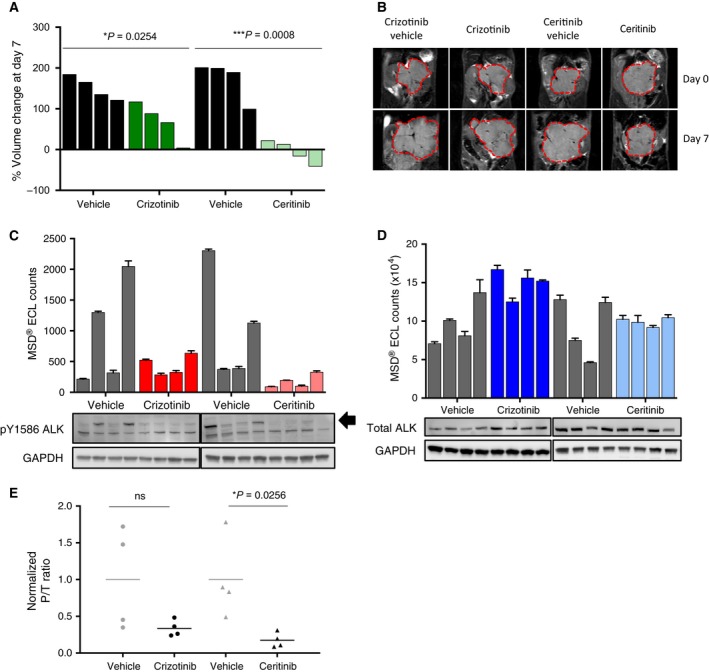
PK Studies[1] In vivo PK studies were conducted in mice, rats, dogs, and cynomolgus monkeys. 15b (HCl salt) was formulated as a solution in 75% PEG300/25% D5W and administered to male Balb/c mice intravenously via tail vein at 5 mg/kg (n = 3) and orally via gavage at 20 mg/kg (n = 3). By use of the same formulation, 15b (HCl salt) was dosed to Sprague–Dawley rats intravenously via the tail vein at 3 mg/kg (n = 3) and orally via gavage at 10 mg/kg (n = 3). Blood samples were collected serially at scheduled times over 24 h after dosing.Male beagle dogs received a single intravenous (n = 2) or oral (n = 3) dose of 15b (phosphate salt) as an intravenous solution in 30% propylene glycol/5% Solutol buffer at 5 mg/kg and an oral suspension in suspension in 0.5% (w/v) aqueous methylcellulose/0.5% Tween 80 at 20 mg/kg, respectively.Male cynomologus monkeys received single intravenous (n = 2) or oral (n = 3) dose of 15b (free base) as an intravenous solution in 30% propylene glycol/5% solutol at 5 mg/kg and an oral suspension in 0.5% (w/v) methylcellulose at 60 mg/kg, respectively. Blood samples for plasma were collected at prescheduled times over 144 h after dosing. In Vivo Experiments[1] RNU nude rats bearing the Karpas299 tumors were randomized into five groups (n = 6 rats per group) with an average tumor size of 326 ± 128 mm3. 15b (phosphate salt) was formulated in 0.5% MC/0.5% Tween 80 and administered by oral gavage at a dosing volume of 10 μL/g of an animal body weight. Animals in each group received vehicle or 6.25, 12.5, 25, 50 mg/kg 15b every day for 14 consecutive days.RNU nude rats bearing the H2228 tumors were randomized into four groups (n = 4 rats per group) with an average tumor volume of 371 ± 139 mm3. 15b (phosphate salt) was formulated in 0.5% MC/0.5% Tween 80 and administered by oral gavage at a dosing volume of 10 μL/g of an animal body weight. Animals in each group received vehicle or 5, 10, 25 mg/kg 15b (phosphate salt) every day for 14 consecutive days.RNU nude rats bearing the Karpas299 tumors were dosed with 15b (phosphate salt) at 50 mg/kg. Tumor and plasma samples were collected 7, 24, 48, and 72 h after dosing. Two tumor pieces were collected from each animal, one piece for protein extraction and the other for PK analysis. Proteins were extracted from tumor samples and then subjected to SDS–PAGE followed by Western blot with phospho-STAT3 antibody (pSTAT3, Tyr705). HOMA-IR[1] Homeostatic model assessment (HOMA) of insulin resistance (IR) is a technical method for assessing IR from basal (fasting) glucose and insulin or C-peptide concentrations. The model is widely used to estimate insulin resistance. Groups of wild-type mice (n = 8 mice per group) were randomized into treatment groups based on their initial body weight. Mice were housed four per cage and dosed with vehicle orally, or ALK inhibitor (15b or Ceritinib (LDK-378)), orally once per day for 7 days. On day 7, compound was administered 180 min prior to a 3 g/kg glucose bolus. OGTT evaluations were performed in conscious mice that were 11 weeks of age. The mice were fasted by removing food at 6 p.m. the day before. A baseline blood sample was taken at t = −180 min, and the mice were then dosed orally with the compounds. A baseline blood sample was taken at t = 0 min, and the animals were then administered an oral glucose bolus (3 g/kg) immediately. Blood was obtained (via tail bleeding) to measure blood glucose (using glucometer). A single drop of blood from the tail was measured for glucose using a glucometer at t = −180, 0, 20, 40, 60, 120 min. Approximately 40 μL samples of blood were collected separately for insulin analysis 3 h prior to dosing (on day 0 and day 7) into chilled collection tubes containing EDTA. Plasma was isolated and stored at −70 °C until further analysis. The homeostatic model assessment-insulin resistance index (HOMA-IR) was used as a measure of insulin resistance and was calculated using the formula HOMA-IR = (FPG × FPI)/22.5 where FPG (mM) is the fasting plasma glucose concentration and FPI (μU/mL) is the fasting plasma insulin concentration. Insulin levels were determined using a detection assay kit from Mesoscale Discovery (MSD): catalog no. K112BZC-2. Higher values indicate insulin resistance. Mouse models[1] Th‐ALK F1174L/MYCN tumor‐bearing animals were enrolled into therapeutic trials when their abdominal tumors reached 5 mm in diameter according to palpation. Volumetric MRI was performed as previously described (Jamin et al., 2013), with each animal undergoing imaging on day 0 and day 7. The tumor volume at each time point was then calculated. For in vivo oral dosing on days 1–7, crizotinib was dissolved in sterile water with 10% Tween 20. Ceritinib (LDK-378) was dissolved in 0.5% methylcellulose, 0.5% Tween 80 with sterile water. Two hours following the final dose of either compound, tumor tissue was excised and snap‐frozen prior to analysis. 1. H2228 NSCLC xenograft protocol (Literature [1]): - Animals: Female nude mice (6-8 weeks old, 20-22 g) acclimated to SPF conditions (12-hour light/dark cycle, ad libitum food/water) for 7 days. - Tumor induction: 5×10⁶ H2228 cells resuspended in 100 μL 50% Matrigel + 50% PBS, subcutaneous injection into the right flank of each mouse. - Drug preparation: Ceritinib dissolved in 0.5% methylcellulose + 0.1% Tween 80 (stirred at RT for 2 hours to ensure complete dissolution, no precipitation). Doses of 10, 30, and 100 mg/kg were prepared by adjusting drug concentration. - Administration: Mice randomly divided into 4 groups (n=6/group): - Vehicle group: Oral gavage of 0.5% methylcellulose + 0.1% Tween 80 (10 μL/g body weight) once daily for 21 days, starting when tumors reached ~100 mm³ (volume = length × width² / 2). - Ceritinib 10 mg/kg: Oral gavage of 10 mg/kg Ceritinib (10 μL/g) once daily for 21 days. - Ceritinib 30 mg/kg: Same volume, 30 mg/kg dose. - Ceritinib 100 mg/kg: Same volume, 100 mg/kg dose. - Assessment: Tumor volume and body weight measured twice weekly. At day 21, 3 mice per group were euthanized; tumors excised for Western blot (p-ALK/p-AKT/p-ERK). Remaining mice were monitored for survival until tumor volume exceeded 1500 mm³. 2. H3122-L1196M resistant xenograft protocol (Literature [4]): - Animals: Female nude mice (6-8 weeks old, n=6/group) acclimated for 7 days. - Tumor induction: 5×10⁶ H3122-L1196M cells resuspended in 50% Matrigel + 50% PBS, subcutaneous injection. - Drug preparation & administration: Ceritinib dissolved in 0.5% methylcellulose + 0.1% Tween 80, 50 mg/kg/day oral gavage for 21 days. Control group received crizotinib (100 mg/kg/day oral gavage). - Assessment: Tumor volume measured twice weekly; day 21: tumors excised for p-ALK Western blot[1] |
| ADME/Pharmacokinetics |
Absorption, Distribution and Excretion
Peak plasma concentrations of ceritinib are reached approximately 4 to 6 hours after oral administration. Following a single oral dose of 750 mg of radiolabeled ceritinib, 92.3% of the administered dose is excreted in feces (68% of which is unmetabolized parent compound), and 1.3% is excreted in urine. The apparent volume of distribution (Vd/F) after a single 750 mg dose is 4230 L. The steady-state geometric mean apparent clearance (CL/F) after daily administration of 750 mg ceritinib (33.2 L/h) is lower than the clearance after a single 750 mg dose (88.5 L/h). Metabolism/Metabolites In vitro studies have shown that CYP3A is the major enzyme involved in metabolism. Ceritinib clearance. Following a single oral dose of 750 mg of radiolabeled ceritinib, ceritinib (the parent compound) was the major circulating component (82%) in human plasma. Biological Half-Life The terminal half-life was 41 hours. 1. Oral Bioavailability: - Rats: Comparison of a single oral dose (25 mg/kg) with an intravenous (IV) dose (5 mg/kg). Oral AUC₀-∞ ~3200 ng·h/mL; IV AUC₀-∞ ~6400 ng·h/mL; Oral bioavailability was approximately 50%. - Mice: Comparison of a single oral dose (25 mg/kg) with an intravenous (IV) dose (5 mg/kg). Oral AUC₀-∞ ~2800 ng·h/mL; IV AUC₀-∞ ~4667 ng·h/mL; Oral bioavailability was approximately 60%. 2. Half-life (t₁/₂): - Rats: approximately 5.2 hours after oral administration, approximately 4.8 hours after intravenous administration. - Mice: approximately 4.5 hours after oral administration, approximately 4.1 hours after intravenous administration. 3. Distribution: - Rats: Volume of distribution (Vd) approximately 5.8 L/kg (intravenous administration); Tumor-bearing mice (H2228): Tumor/plasma concentration ratio approximately 4.2 (2 hours after oral administration of 100 mg/kg). 4. Excretion: - Rats: 72 hours after oral administration of 25 mg/kg: approximately 70% of the dose is excreted in feces (55% of which is the original drug), and approximately 15% is excreted in urine (8% of which is the original drug). 5. Plasma protein binding rate: - Human plasma: approximately 97% (ultrafiltration); Rat plasma: approximately 96%; Mouse plasma: approximately 95% |
| Toxicity/Toxicokinetics |
Hepatotoxicity
Elevated serum transaminase levels are common during ceritinib treatment, occurring in 20% to 50% of patients, but only 1% to 2% of patients have transaminase levels exceeding five times the upper limit of normal. Liver failure has been reported in 0.2% of patients, leading to several deaths. Hepatotoxicity appears to be a class effect of ALK inhibitors, although liver injury caused by crizotinib appears to be more common and severe than that caused by ceritinib or alectinib. Specific details regarding ceritinib-related liver injury, such as latency, serum enzyme profiles, clinical features, and course, have not been published. Other ALK inhibitors typically cause liver injury within days or weeks of starting treatment, manifesting as a sudden increase in hepatocyte enzymes, with a moderate to severe course. Immune hypersensitivity and autoimmune features are uncommon. Patients with a history of cirrhosis or liver dysfunction due to hepatic tumor burden have an increased risk of clinically significant liver injury and liver failure. Relapses following re-administration have been reported. Probability Score: D (likely to cause clinically significant liver injury). Effects during pregnancy and lactation> ◉ Overview of use during lactation There is currently no information regarding the clinical use of ceritinib during lactation. Because ceritinib binds to plasma proteins at a rate as high as 97%, its concentration in breast milk may be very low. The manufacturer recommends discontinuing breastfeeding during ceritinib treatment and for two weeks after the last dose. ◉ Effects on breastfed infants As of the revision date, no relevant published information was found. ◉ Effects on lactation and breast milk As of the revision date, no relevant published information was found. Protein binding> Ceritinib binds to human plasma proteins at a rate of 97%, regardless of drug concentration. 1. In vitro toxicity (Reference [1]): - ALK negative cells (A549, non-small cell lung cancer; Raji, lymphoma): Ceritinib at concentrations up to 1000 nM showed <15% inhibition of proliferation (MTT, 72 hours); no nonspecific cytotoxicity (LDH release <10%). - Normal human bronchial epithelial cells (HBEC): Cell viability decreased by <10% after treatment with 100 nM ceritinib (trypan blue staining exclusion method). 2. In vivo toxicity (References [1], [4]): - Mice (orally 10-100 mg/kg/day for 21 days): no death or abnormal behavior (ataxia, lethargy); body weight maintained above 90% of initial body weight. Serum ALT/AST (liver) and creatinine (kidney) were within the normal range (ALT: 51 ± 6 U/L vs. normal value 40-60 U/L; creatinine: 53 ± 4 μmol/L vs. normal value 50-70 μmol/L, n=5 per group) [1] - Rats (orally 25-100 mg/kg/day for 28 days): No drug-induced histopathological damage was observed in the liver, kidneys, spleen or lungs; hematological parameters (red blood cells, white blood cells, platelets) were normal [1] - Preclinical studies (reference [4]): No dose-limiting toxicity was observed in mice at daily doses up to 100 mg/kg; mild gastrointestinal toxicity (transient diarrhea) may occur at a daily dose of 100 mg/kg, but it can be relieved without intervention [4] |
| References |
|
| Additional Infomation |
Ceritinib belongs to the aminopyrimidine class of drugs, with the chemical name 2,6-diamino-5-chloropyrimidine, where the amino groups at positions 2 and 6 are respectively substituented with 2-methoxy-4-(piperidin-4-yl)-5-methylphenyl and 2-(isopropylsulfonyl)phenyl. It is used to treat ALK-positive metastatic non-small cell lung cancer. Ceritinib is an antitumor drug and also an EC 2.7.10.1 (receptor protein tyrosine kinase) inhibitor. It is an aminopyrimidine, aromatic ether, organochlorine compound, secondary amino compound, piperidine compound, and sulfone compound. Ceritinib is used to treat adult patients with anaplastic lymphoma kinase (ALK)-positive metastatic non-small cell lung cancer (NSCLC) who have failed prior crizotinib treatment (secondary to resistance or intolerance). Approximately 4% of NSCLC patients have chromosomal rearrangements, leading to the formation of an EML4 (echinoderm microtubule-associated protein-like 4) and ALK (anaplastic lymphoma kinase) fusion gene, resulting in constitutive kinase activity that promotes tumorigenesis and drives malignant phenotypes. Ceritinib exerts its therapeutic effect by inhibiting ALK autophosphorylation, ALK-mediated phosphorylation of the downstream signaling protein STAT3, and the proliferation of ALK-dependent cancer cells. Following treatment with crizotinib (a first-generation ALK inhibitor), most tumors develop resistance due to mutations in key \"gatekeeper\" residues of the enzyme. This situation prompted the development of novel second-generation ALK inhibitors, such as ceritinib, to overcome crizotinib resistance. Due to the unexpectedly high efficacy (56%) of ceritinib in crizotinib-resistant tumors, the FDA approved it for marketing in April 2014 and granted it orphan drug designation. Ceritinib is a kinase inhibitor. Its mechanism of action is as a tyrosine kinase inhibitor, cytochrome P450 3A inhibitor, and cytochrome P450 2C9 inhibitor. Ceritinib is a small-molecule tyrosine kinase receptor inhibitor and anti-tumor drug used to treat certain types of advanced non-small cell lung cancer (NSCLC). Elevated serum transaminases during ceritinib treatment occur at a moderate rate, and clinically observable cases of acute liver injury are rare. Ceritinib is an oral anaplastic lymphoma kinase (ALK) receptor tyrosine kinase activity inhibitor with anti-tumor activity. After administration, ceritinib binds to and inhibits the activity of wild-type ALK kinase, ALK fusion protein, and ALK point mutants. ALK inhibition leads to disruption of ALK-mediated signaling and inhibits the growth of ALK-overexpressing tumor cells. ALK belongs to the insulin receptor superfamily and plays an important role in nervous system development. ALK dysregulation and gene rearrangement are associated with various tumor cell types. Drug Indication Ceritinib is a kinase inhibitor indicated for the treatment of patients with anaplastic lymphoma kinase (ALK)-positive metastatic non-small cell lung cancer (NSCLC) who have not responded to or are intolerant of crizotinib. This indication received accelerated approval based on tumor response rate and duration of response. Ceritinib has not been shown to improve survival or disease-related symptoms. Continued approval for this indication may be contingent upon validation and description of clinical benefit in confirmatory trials. FDA Label Zykadia is indicated for the treatment of adult patients with anaplastic lymphoma kinase (ALK)-positive advanced non-small cell lung cancer (NSCLC) who have previously received crizotinib. Mechanism of Action Ceritinib inhibits anaplastic lymphoma kinase (ALK), also known as the ALK tyrosine kinase receptor or CD246 (differentiation cluster 246), an enzyme encoded by the ALK gene. About 4-5% of NSCLCs have chromosomal rearrangements that lead to the fusion of EML4 (echinoderm microtubule-associated protein-like 4) and ALK (anaplastic lymphoma kinase), resulting in constitutive kinase activity that promotes carcinogenesis and drives malignant phenotypes. Ceritinib exerts its therapeutic effect by inhibiting ALK autophosphorylation, ALK-mediated phosphorylation of the downstream signaling protein STAT3, and the proliferation of ALK-dependent cancer cells. Studies have shown that ceritinib can inhibit the in vitro proliferation of cell lines expressing EML4-ALK and NPM-ALK fusion proteins and exhibits dose-dependent inhibition of the growth of EML4-ALK-positive non-small cell lung cancer xenografts in mice and rats.
1. Mechanism of action (References [1], [4]): Ceritinib (LDK-378) is a second-generation ALK inhibitor that binds to the ATP-binding pocket of ALK (wild-type and most drug-resistant mutants, such as L1196M and C1156Y). This binding blocks ALK autophosphorylation and subsequent activation of downstream signaling pathways (PI3K-AKT, RAS-ERK), which are crucial for the proliferation and survival of ALK-positive cancer cells. Unlike first-generation ALK inhibitors (such as crizotinib), it remains active against ALK-gated mutations (L1196M) that drive crizotinib resistance.[1]> 2. Clinical significance (References [1], [4]): - At the time of publication of References [1]/[4], ceritinib was in the Phase I/II clinical trial stage, targeting ALK rearranged non-small cell lung cancer (NSCLC) and ALK-positive anaplastic large cell lymphoma (ALCL), especially suitable for patients resistant to crizotinib.[1]> - Its good oral bioavailability (approximately 50-60% in rodents) and high tumor penetration support oral administration in the clinical setting; the selectivity for ALK minimizes off-target toxicity.[1]> 3. Limitations (References [1], [4]): - Ceritinib's reduced activity against certain ALK resistance mutations (e.g., G1269A (IC50 > 50 nM) and F1174L (IC50 ~ 25 nM)) limits its efficacy in patients carrying these mutations.[4]> - No data on the combined use of ceritinib with other anticancer drugs (e.g., chemotherapy, immune checkpoint inhibitors) were reported in the above literature.[1]> 4. Literature Notes:- Literature [2] is a brief review of Literature [1], confirming the potential of ceritinib as a potent and selective ALK inhibitor, but does not provide additional experimental data.[2]> - Literature [3] describes the immunoassay of ALK and phosphorylated ALK, but does not involve ceritinib, so there is no relevant information.[3]> |
| Molecular Formula |
C28H36CLN5O3S
|
|---|---|
| Molecular Weight |
558.14
|
| Exact Mass |
557.222
|
| Elemental Analysis |
C, 60.25; H, 6.50; Cl, 6.35; N, 12.55; O, 8.60; S, 5.75
|
| CAS # |
1032900-25-6
|
| Related CAS # |
Ceritinib dihydrochloride;1380575-43-8;Ceritinib-d7;1632484-77-5; 032900-25-6; 2055376-76-4; 1380575-43-8 (2HCl); 2055376-74-2 (mesylate); 1190399-48-4 (xHCl)
|
| PubChem CID |
57379345
|
| Appearance |
white solid powder
|
| Density |
1.3±0.1 g/cm3
|
| Boiling Point |
720.7±70.0 °C at 760 mmHg
|
| Flash Point |
389.6±35.7 °C
|
| Vapour Pressure |
0.0±2.3 mmHg at 25°C
|
| Index of Refraction |
1.595
|
| LogP |
5.03
|
| Hydrogen Bond Donor Count |
3
|
| Hydrogen Bond Acceptor Count |
8
|
| Rotatable Bond Count |
9
|
| Heavy Atom Count |
38
|
| Complexity |
835
|
| Defined Atom Stereocenter Count |
0
|
| SMILES |
CC(C)OC1=CC(C2CCNCC2)=C(C)C=C1NC3=NC=C(Cl)C(NC4=CC=CC=C4S(=O)(C(C)C)=O)=N3
|
| InChi Key |
VERWOWGGCGHDQE-UHFFFAOYSA-N
|
| InChi Code |
InChI=1S/C28H36ClN5O3S/c1-17(2)37-25-15-21(20-10-12-30-13-11-20)19(5)14-24(25)33-28-31-16-22(29)27(34-28)32-23-8-6-7-9-26(23)38(35,36)18(3)4/h6-9,14-18,20,30H,10-13H2,1-5H3,(H2,31,32,33,34)
|
| Chemical Name |
5-chloro-2-N-(5-methyl-4-piperidin-4-yl-2-propan-2-yloxyphenyl)-4-N-(2-propan-2-ylsulfonylphenyl)pyrimidine-2,4-diamine
|
| Synonyms |
LDK 378; Ceritinib; LDK378; LDK-378; ZYKADIA; LDK-378; NVP-LDK378-NX; 5-chloro-N2-(2-isopropoxy-5-methyl-4-(piperidin-4-yl)phenyl)-N4-(2-(isopropylsulfonyl)phenyl)pyrimidine-2,4-diamine; trade name: Zykadia
|
| HS Tariff Code |
2934.99.9001
|
| Storage |
Powder -20°C 3 years 4°C 2 years In solvent -80°C 6 months -20°C 1 month |
| Shipping Condition |
Room temperature (This product is stable at ambient temperature for a few days during ordinary shipping and time spent in Customs)
|
| Solubility (In Vitro) |
DMSO: ~20 mg/mL (~35.8 mM)
Water: 1 mg/mL (Insoluble) Ethanol: ~3 mg/mL (~5.4 mM) |
|---|---|
| Solubility (In Vivo) |
Solubility in Formulation 1: ≥ 0.5 mg/mL (0.90 mM) (saturation unknown) in 10% DMSO + 40% PEG300 + 5% Tween80 + 45% Saline (add these co-solvents sequentially from left to right, and one by one), clear solution.
For example, if 1 mL of working solution is to be prepared, you can add 100 μL of 5.0 mg/mL clear DMSO stock solution to 400 μL PEG300 and mix evenly; then add 50 μL Tween-80 to the above solution and mix evenly; then add 450 μL normal saline to adjust the volume to 1 mL. Preparation of saline: Dissolve 0.9 g of sodium chloride in 100 mL ddH₂ O to obtain a clear solution. Solubility in Formulation 2: ≥ 0.5 mg/mL (0.90 mM) (saturation unknown) in 10% DMSO + 90% (20% SBE-β-CD in Saline) (add these co-solvents sequentially from left to right, and one by one), clear solution. For example, if 1 mL of working solution is to be prepared, you can add 100 μL of 5.0 mg/mL clear DMSO stock solution to 900 μL of 20% SBE-β-CD physiological saline solution and mix evenly. Preparation of 20% SBE-β-CD in Saline (4°C,1 week): Dissolve 2 g SBE-β-CD in 10 mL saline to obtain a clear solution. View More
Solubility in Formulation 3: ≥ 0.5 mg/mL (0.90 mM) (saturation unknown) in 10% DMSO + 90% Corn Oil (add these co-solvents sequentially from left to right, and one by one), clear solution. Solubility in Formulation 4: 1% DMSO+30% polyethylene glycol+1% Tween 80: 30 mg/mL |
| Preparing Stock Solutions | 1 mg | 5 mg | 10 mg | |
| 1 mM | 1.7917 mL | 8.9583 mL | 17.9167 mL | |
| 5 mM | 0.3583 mL | 1.7917 mL | 3.5833 mL | |
| 10 mM | 0.1792 mL | 0.8958 mL | 1.7917 mL |
*Note: Please select an appropriate solvent for the preparation of stock solution based on your experiment needs. For most products, DMSO can be used for preparing stock solutions (e.g. 5 mM, 10 mM, or 20 mM concentration); some products with high aqueous solubility may be dissolved in water directly. Solubility information is available at the above Solubility Data section. Once the stock solution is prepared, aliquot it to routine usage volumes and store at -20°C or -80°C. Avoid repeated freeze and thaw cycles.
Calculation results
Working concentration: mg/mL;
Method for preparing DMSO stock solution: mg drug pre-dissolved in μL DMSO (stock solution concentration mg/mL). Please contact us first if the concentration exceeds the DMSO solubility of the batch of drug.
Method for preparing in vivo formulation::Take μL DMSO stock solution, next add μL PEG300, mix and clarify, next addμL Tween 80, mix and clarify, next add μL ddH2O,mix and clarify.
(1) Please be sure that the solution is clear before the addition of next solvent. Dissolution methods like vortex, ultrasound or warming and heat may be used to aid dissolving.
(2) Be sure to add the solvent(s) in order.
| NCT Number | Recruitment | interventions | Conditions | Sponsor/Collaborators | Start Date | Phases |
| NCT03501368 | Active Recruiting |
Drug: Ceritinib Drug: Trametinib |
Melanoma Advanced Melanoma |
H. Lee Moffitt Cancer Center and Research Institute |
June 27, 2018 | Phase 1 |
| NCT02321501 | Active Recruiting |
Drug: Ceritinib Drug: Everolimus |
ALK Positive ROS1 Gene Rearrangement |
M.D. Anderson Cancer Center | June 22, 2016 | Phase 1 |
| NCT03611738 | Active Recruiting |
Drug: Ceritinib Drug: Docetaxel |
Lung Cancer | H. Lee Moffitt Cancer Center and Research Institute |
February 1, 2019 | Phase 1 |
| NCT01828099 | Active Recruiting |
Drug: Ceritinib Drug: Pemetrexed |
Non-Small Cell Lung Cancer/td> | Novartis Pharmaceuticals | July 9, 2013 | Phase 3 |
| NCT02584933 | Recruiting | Drug: ceritinib | ALK Positive Malignancies | Novartis Pharmaceuticals | December 11, 2015 | Phase 4 |
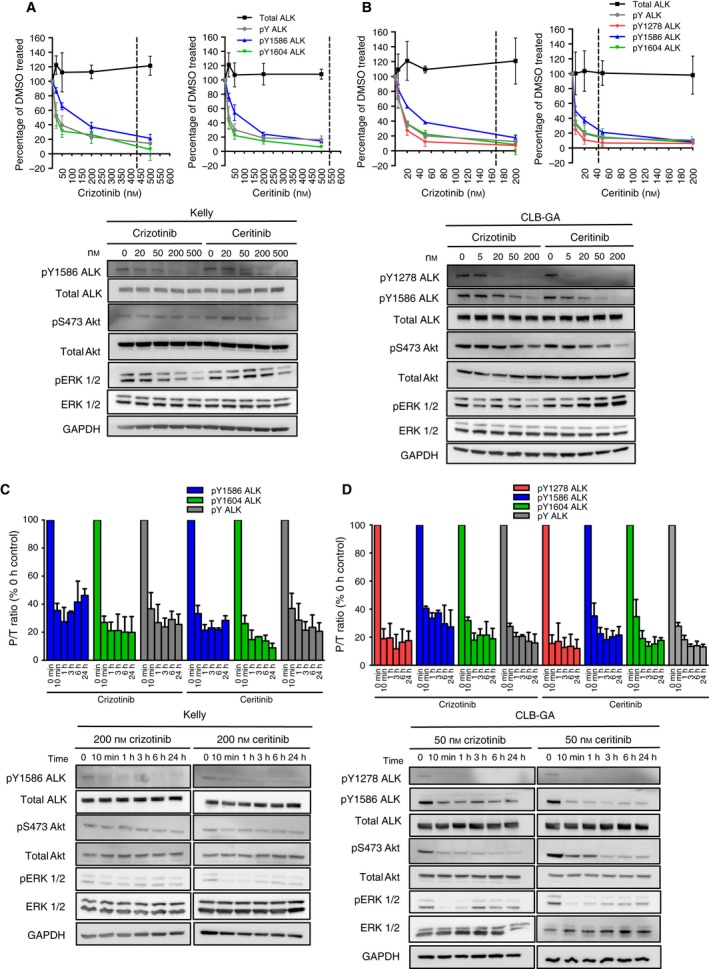
Dose–response and time course comparison of ALK inhibition by crizotinib or ceritinib.Mol Oncol.2017 Aug;11(8):996-1006. |
Tumor volume measurement and MSD®immunoassay quantitation of Th‐ALKF1174L/MYCNtumors following the treatment with crizotinib or ceritinib. Tumor‐bearing animals were treated with either crizotinib (100mg·kg−1per day, orally) or ceritinib (100mg·kg−1per day, orally) for 7days before animal sacrifice and harvesting of tumor tissue samples. |
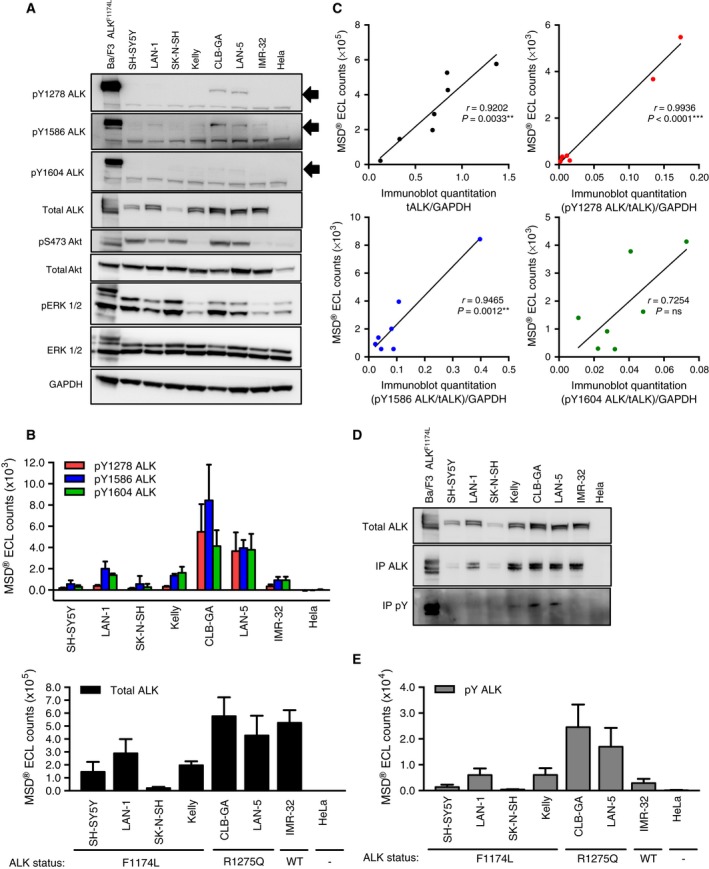
Basal ALK activity in neuroblastoma cell lines. (A) Immunoblots of lysates from neuroblastoma cell line panel, including lysate from Ba/F3ALK F1174Las a positive control for ALK expression and lysate from Hela cells as negative control for ALK expression.Mol Oncol.2017 Aug;11(8):996-1006. |
Products are for research use only; We do not sell to patients
Copyright 2020 InvivoChem LLC | All Rights Reserved


 COA
COA