| Size | Price | Stock | Qty |
|---|---|---|---|
| 250mg |
|
||
| 500mg |
|
||
| Other Sizes |
| Targets |
Cefoxitin's primary target is the bacterial cell wall, specifically the peptidoglycan layer. It exerts its bactericidal action by inhibiting the synthesis of this essential structural component. By interfering with cell wall synthesis, it weakens the bacterial cell wall, leading to cell lysis and death.
|
|---|---|
| ln Vitro |
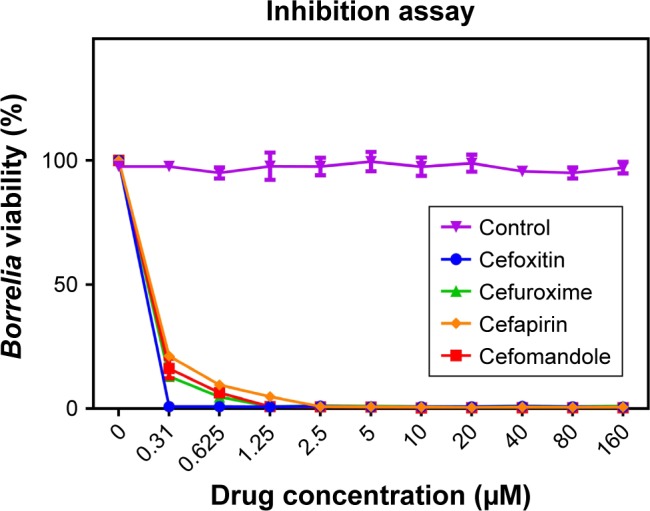
Cefoxitin exhibits strong anti-Gram-positive bacterial action. A number of Gram-positive infections have MIC ranges of 1-6 μg/mL [1]. At 1.25 µM/mL, cefoxitin can eradicate Borrelia burgdorferi with effectiveness [3].
Cefoxitin's in vitro activity is characterized by its broad-spectrum antibacterial effect against a wide range of Gram-positive and Gram-negative bacteria. Its resistance to beta-lactamases makes it particularly effective against many β-lactamase-producing organisms. The minimum inhibitory concentration (MIC) is used to assess its potency against specific bacterial strains. |
| ln Vivo |
In the C3H/HeN mouse model, cefoxitin (20 mg/kg; i.p.; daily; for 5 days) effectively eradicates Borrelia burgdorferi [3].
In vivo, Cefoxitin is administered intravenously for the treatment of various bacterial infections. Its efficacy has been established in clinical settings for conditions such as peritonitis, urinary tract infections, and surgical prophylaxis. Its stability against β-lactamases makes it a valuable option for treating infections caused by resistant organisms. |
| Enzyme Assay |
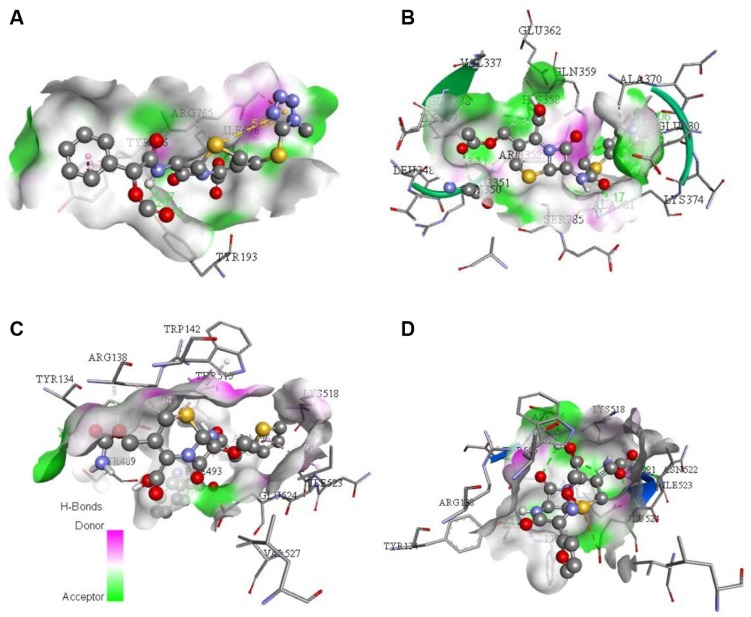
To determine the affinity of Cefoxitin for its target, penicillin-binding proteins (PBPs), a competitive binding assay can be used. In this cell-free assay, bacterial membrane preparations containing PBPs are incubated with a radiolabeled penicillin (e.g., 3H-benzylpenicillin) in the presence of varying concentrations of unlabeled Cefoxitin. The amount of bound radiolabeled penicillin is measured to determine the concentration of Cefoxitin required to inhibit 50% of the binding (IC50).
|
| Cell Assay |
For cellular assays, the antibacterial activity of Cefoxitin is evaluated using the broth microdilution method. In this assay, bacteria are cultured in a liquid medium in a 96-well plate. Serial two-fold dilutions of Cefoxitin are added to the wells. The plate is incubated, and the minimum inhibitory concentration (MIC) is determined as the lowest concentration of the antibiotic that prevents visible growth of the bacteria.
|
| Animal Protocol |
Animal/Disease Models: 4weeks old female C3H/HeN mice [3]
Doses: 20 mg/kg Route of Administration: intraperitoneal (ip) injection, one time/day for five days. Experimental Results: The body demonstrated high efficiency in killing Borrelia burgdorferi. The in vivo efficacy of Cefoxitin is typically evaluated in a mouse model of systemic infection. Mice are infected with a lethal dose of a pathogenic bacterium (e.g., E. coli or S. aureus). Subsequently, Cefoxitin is administered via different routes (e.g., intravenous or subcutaneous) at various doses. The primary endpoint is the survival rate of the animals over a defined period. |
| ADME/Pharmacokinetics |
Cefoxitin is administered intravenously due to its poor oral absorption. It is widely distributed in the body and achieves therapeutic concentrations in various tissues. The drug is primarily excreted renally, and its half-life is prolonged in patients with renal impairment.
|
| Toxicity/Toxicokinetics |
Cefoxitin is generally well-tolerated. Common side effects include gastrointestinal disturbances, injection site reactions, and allergic reactions. As a β-lactam antibiotic, it can cause cross-reactivity in patients with a history of penicillin allergy.
|
| References | |
| Additional Infomation |
Cefoxitin sodium is an organic molecular entity. Cefoxitin sodium is the sodium salt form of cefoxitin, a second-generation cephalosporin antibiotic of the β-lactam class with bactericidal activity. Cefoxitin sodium binds to and inactivates penicillin-binding protein (PBP) located on the inner membrane of bacterial cell walls. PBP is involved in the final stages of bacterial cell wall assembly and cell wall remodeling during cell division. Inactivation of PBP interferes with the cross-linking of peptidoglycan chains, which is essential for maintaining the strength and rigidity of bacterial cell walls. This leads to weakening of the bacterial cell wall and ultimately cell lysis. A semi-synthetic cephalosporin antibiotic resistant to β-lactamases. See also: Cefoxitin (with active fraction).
Cefoxitin is a clinically approved antibiotic, marketed under names such as Mefoxin. It is indicated for the treatment of serious infections caused by susceptible bacteria, including lower respiratory tract infections, urinary tract infections, intra-abdominal infections, and gynecological infections. Its stability against β-lactamases is a key feature of its clinical utility. |
| Molecular Formula |
C16H17N3O7S2
|
|---|---|
| Molecular Weight |
427.44
|
| Exact Mass |
427.05
|
| CAS # |
35607-66-0
|
| Related CAS # |
Cefoxitin sodium;33564-30-6
|
| PubChem CID |
23667300
|
| Appearance |
White to off-white solid powder
|
| Density |
1.6±0.1 g/cm3
|
| Boiling Point |
843.4±65.0 °C at 760 mmHg
|
| Melting Point |
149 - 150ºC
|
| Flash Point |
463.9±34.3 °C
|
| Vapour Pressure |
0.0±3.3 mmHg at 25°C
|
| Index of Refraction |
1.693
|
| LogP |
0.63
|
| Hydrogen Bond Donor Count |
2
|
| Hydrogen Bond Acceptor Count |
9
|
| Rotatable Bond Count |
8
|
| Heavy Atom Count |
29
|
| Complexity |
750
|
| Defined Atom Stereocenter Count |
2
|
| SMILES |
CO[C@@]1([C@@H]2N(C1=O)C(=C(CS2)COC(=O)N)C(=O)[O-])NC(=O)CC3=CC=CS3.[Na+]
|
| InChi Key |
GNWUOVJNSFPWDD-XMZRARIVSA-M
|
| InChi Code |
InChI=1S/C16H17N3O7S2.Na/c1-25-16(18-10(20)5-9-3-2-4-27-9)13(23)19-11(12(21)22)8(6-26-15(17)24)7-28-14(16)19;/h2-4,14H,5-7H2,1H3,(H2,17,24)(H,18,20)(H,21,22);/q;+1/p-1/t14-,16+;/m1./s1
|
| Chemical Name |
sodium;(6R,7S)-3-(carbamoyloxymethyl)-7-methoxy-8-oxo-7-[(2-thiophen-2-ylacetyl)amino]-5-thia-1-azabicyclo[4.2.0]oct-2-ene-2-carboxylate
|
| Synonyms |
Rephoxitin; Cefoxitinum; Cefoxitin
|
| HS Tariff Code |
2934.99.9001
|
| Storage |
Powder -20°C 3 years 4°C 2 years In solvent -80°C 6 months -20°C 1 month Note: Please store this product in a sealed and protected environment (e.g. under nitrogen), avoid exposure to moisture and light. |
| Shipping Condition |
Room temperature (This product is stable at ambient temperature for a few days during ordinary shipping and time spent in Customs)
|
| Solubility (In Vitro) |
DMSO : ~100 mg/mL (~233.95 mM)
|
|---|---|
| Solubility (In Vivo) |
Solubility in Formulation 1: ≥ 2.5 mg/mL (5.85 mM) (saturation unknown) in 10% DMSO + 40% PEG300 + 5% Tween80 + 45% Saline (add these co-solvents sequentially from left to right, and one by one), clear solution.
For example, if 1 mL of working solution is to be prepared, you can add 100 μL of 25.0 mg/mL clear DMSO stock solution to 400 μL PEG300 and mix evenly; then add 50 μL Tween-80 to the above solution and mix evenly; then add 450 μL normal saline to adjust the volume to 1 mL. Preparation of saline: Dissolve 0.9 g of sodium chloride in 100 mL ddH₂ O to obtain a clear solution. Solubility in Formulation 2: ≥ 2.5 mg/mL (5.85 mM) (saturation unknown) in 10% DMSO + 90% (20% SBE-β-CD in Saline) (add these co-solvents sequentially from left to right, and one by one), clear solution. For example, if 1 mL of working solution is to be prepared, you can add 100 μL of 25.0 mg/mL clear DMSO stock solution to 900 μL of 20% SBE-β-CD physiological saline solution and mix evenly. Preparation of 20% SBE-β-CD in Saline (4°C,1 week): Dissolve 2 g SBE-β-CD in 10 mL saline to obtain a clear solution. View More
Solubility in Formulation 3: ≥ 2.5 mg/mL (5.85 mM) (saturation unknown) in 10% DMSO + 90% Corn Oil (add these co-solvents sequentially from left to right, and one by one), clear solution. |
| Preparing Stock Solutions | 1 mg | 5 mg | 10 mg | |
| 1 mM | 2.3395 mL | 11.6975 mL | 23.3951 mL | |
| 5 mM | 0.4679 mL | 2.3395 mL | 4.6790 mL | |
| 10 mM | 0.2340 mL | 1.1698 mL | 2.3395 mL |
*Note: Please select an appropriate solvent for the preparation of stock solution based on your experiment needs. For most products, DMSO can be used for preparing stock solutions (e.g. 5 mM, 10 mM, or 20 mM concentration); some products with high aqueous solubility may be dissolved in water directly. Solubility information is available at the above Solubility Data section. Once the stock solution is prepared, aliquot it to routine usage volumes and store at -20°C or -80°C. Avoid repeated freeze and thaw cycles.
Calculation results
Working concentration: mg/mL;
Method for preparing DMSO stock solution: mg drug pre-dissolved in μL DMSO (stock solution concentration mg/mL). Please contact us first if the concentration exceeds the DMSO solubility of the batch of drug.
Method for preparing in vivo formulation::Take μL DMSO stock solution, next add μL PEG300, mix and clarify, next addμL Tween 80, mix and clarify, next add μL ddH2O,mix and clarify.
(1) Please be sure that the solution is clear before the addition of next solvent. Dissolution methods like vortex, ultrasound or warming and heat may be used to aid dissolving.
(2) Be sure to add the solvent(s) in order.
|
|
Products are for research use only; We do not sell to patients
Copyright 2020 InvivoChem LLC | All Rights Reserved