| Size | Price | Stock | Qty |
|---|---|---|---|
| 10mg |
|
||
| 50mg |
|
||
| 100mg |
|
||
| 250mg |
|
||
| 500mg |
|
||
| 1g |
|
||
| Other Sizes |


Purity: ≥98%
| Targets |
NF-κB; 20S proteasome (Ki = 0.6 nM)
26S proteasome (chymotrypsin-like activity, β5 subunit): IC₅₀ ≈ 10 nM (purified bovine 26S proteasome); - 26S proteasome (trypsin-like activity, β2 subunit): IC₅₀ > 1000 nM (no significant inhibition); - 26S proteasome (caspase-like activity, β1 subunit): IC₅₀ ≈ 1000 nM (weak inhibition); - High selectivity for the β5 subunit over other proteasome subunits and non-proteasomal proteases (e.g., calpain, cathepsin B: IC₅₀ > 10,000 nM) [4] |
|---|---|
| ln Vitro |
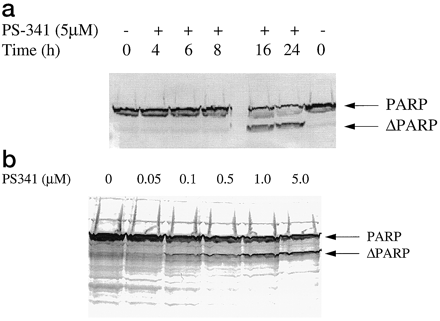
is a highly selective, reversible inhibitor of the 26S proteasome, which is mainly involved in the breakdown of misfolded proteins and is crucial for controlling the cell cycle. It is a boronic acid dipeptide. It has been demonstrated that exposure to boratezomib stabilizes p21, p27, and p53 in addition to the proapoptotic Bax and Bid proteins, caveolin-1, and inhibitor κB-α, which stops nuclear factor κB-induced cell survival pathways from activating. Additionally, boratezomib stimulates the endoplasmic reticulum stress response and proapoptotic c-Jun-NH2 terminal kinase. Changes in these cellular protein levels cause cancer cells to proliferate less, migrate less, and undergo apoptosis more frequently.[2] It has been demonstrated that boratezomib can enter cells and block the intracellular proteolysis of long-lived proteins by proteasomes at a concentration that can stop 50% of the proteolysis at about 0.1 μM. Throughout the panel of 60 cancer cell lines obtained from various human tumors from the US National Cancer Institute (NCI), the average growth inhibition of 50% value for Bortezomib is 7 nM. Bortezomib (100 nM) treatment of PC-3 cells for 8 hours causes a decrease in G1 cell count and an increase in G2-M cell accumulation. PC-3 cells are killed by benetezomib at 24 and 48 hours, with IC50 values of 100 and 20 nM, respectively. Nuclear condensation is brought on by benezomib 16–24 hours after treatment. In a time-dependent manner, benezomib treatment causes PARP cleavage; at 24 hours, concentrations as low as 100 nM are effective.[1]
Antiproliferative activity in hematologic cancer cells: 1. Multiple myeloma (MM) cell lines (RPMI 8226, U266): Bortezomib (0.1 nM–100 nM, 72-hour MTT assay) concentration-dependently inhibited proliferation. IC₅₀ values: ~5 nM (RPMI 8226), ~8 nM (U266). At 20 nM, cell viability reduced by ~70% (RPMI 8226) vs. solvent control [1] 2. Mantle cell lymphoma (MCL) cell line (Granta-519): IC₅₀ ≈ 12 nM (72-hour MTT assay); 10 nM Bortezomib reduced colony formation by ~80% (soft agar assay) [1] - Antiproliferative activity in solid tumor cells: 1. Non-small cell lung cancer (A549), colon cancer (HT29), and breast cancer (MDA-MB-231) cells: Bortezomib IC₅₀ values: ~20 nM (A549), ~25 nM (HT29), ~18 nM (MDA-MB-231) (72-hour MTT assay) [3] - Apoptosis induction (literature [1], [5]): 1. RPMI 8226 cells: 10 nM Bortezomib treatment for 48 hours increased apoptotic rate from ~5% (control) to ~40% (Annexin V-FITC/PI staining, flow cytometry). Western blot showed cleaved caspase-3 and cleaved PARP upregulated by ~3-fold and ~2.5-fold, respectively [1] 2. A549 cells: 20 nM Bortezomib for 72 hours induced apoptosis in ~35% of cells; TUNEL staining confirmed DNA fragmentation [3] - NF-κB pathway inhibition: 1. HT29 cells: 15 nM Bortezomib treatment for 6 hours blocked TNF-α-induced NF-κB activation. Western blot showed IκBα (NF-κB inhibitor) accumulation (protein levels increased by ~4-fold) due to reduced proteasomal degradation [5] - Selectivity for cancer cells: 1. Normal human peripheral blood mononuclear cells (PBMCs): 50 nM Bortezomib for 72 hours reduced viability by <15%, vs. ~60% reduction in MM cells (RPMI 8226) at the same concentration [6] |
| ln Vivo |
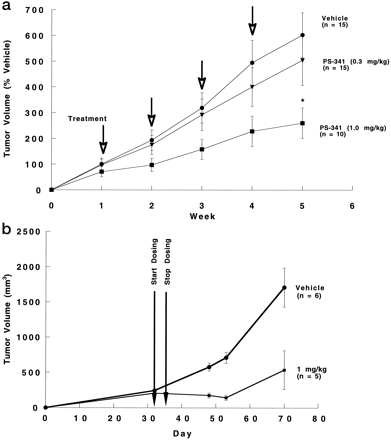
In xenograft models of multiple myeloma, adult T-cell leukemia, lung, breast, prostate, pancreatic, head and neck, and colon cancer, as well as melanoma, the anticancer effects of bortezomib as a single agent have been shown.[2] In the Lewis lung cancer model, oral bortezomib 1.0 mg/kg daily for 18 days results in tumor growth delays and a reduction in the number of metastases. A single dose of up to 5 mg/kg of borectezomib markedly reduced the percentage of breast tumor cells that survived. Takedaskomib When given weekly for four weeks, 1.0 mg/kg of prostate cancer reduces tumor growth in murine xenograft models by 60%. When administered at a dose of 1.0 mg/kg for four weeks, pancreatic cancer murine xenografts grow 72% or 84% less, and tumor cell apoptosis rises. Treatment with 1.0 mg/kg Bortezomib causes a notable reduction in the growth of human plasmacytoma xenografts, an increase in the apoptosis and overall survival of tumor cells, and a decrease in tumor angiogenesis. [3]
Nude mouse RPMI 8226 multiple myeloma xenograft model: 1. Grouping: Mice (n=6/group) randomized into 3 groups: (1) Control (intravenous injection of 5% DMSO + 95% normal saline); (2) Bortezomib 0.5 mg/kg; (3) Bortezomib 1.0 mg/kg [1] 2. Treatment: Drugs administered intravenously once every 3 days for 4 weeks (total 8 doses) [1] 3. Efficacy: - Tumor volume: Reduced by ~60% (0.5 mg/kg) and ~80% (1.0 mg/kg) vs. control at day 28; - Tumor weight: Decreased by ~55% (0.5 mg/kg) and ~75% (1.0 mg/kg) at sacrifice; - Tumor proteasome activity: β5 subunit activity reduced by ~45% (0.5 mg/kg) and ~65% (1.0 mg/kg) (fluorescent substrate assay) [1] - CD-1 nude mouse A549 lung cancer xenograft model: 1. Treatment: Bortezomib 0.8 mg/kg (intraperitoneal injection, twice weekly for 3 weeks) [3] 2. Efficacy: Tumor volume reduced by ~50% at day 21 vs. control; no significant weight loss [3] - Mouse mantle cell lymphoma (MCL) xenograft model: 1. Treatment: Bortezomib 1.0 mg/kg (intravenous injection, once every 4 days for 3 weeks) [6] 2. Efficacy: Tumor growth delay of ~14 days vs. control; apoptotic index in tumors increased by ~3-fold (TUNEL staining) [6] |
| Enzyme Assay |
Suc-Leu-Leu-Val-Tyr-AMC in DMSO and 2.00 mL of assay buffer (20 mM HEPES, 0.5 mM EDTA, 0.035% SDS, pH 7.8) are added to a 3 mL fluorescence cuvette in a typical kinetic run. The cuvette is then placed in the jacketed cell holder of a fluorescence spectrophotometer. A water bath that circulates keeps the reaction temperature at 37°C. One microliter to ten microliters of the stock enzyme solution are added to the cuvette once the reaction solution has reached thermal equilibrium, which takes five minutes. The degree of fluorescence emission that increases at 440 nm (λex= 380 nm) when AMC is cleaved from peptide-AMC substrates indicates the progress of the reaction.
26S proteasome activity inhibition assay: 1. Protein preparation: 26S proteasome purified from bovine red blood cells via ultracentrifugation and ion-exchange chromatography, resuspended in assay buffer (25 mM Tris-HCl, pH 7.5, 5 mM MgCl₂, 1 mM DTT) [4] 2. Reaction setup: 100 μL reaction mixtures containing 26S proteasome (0.5 μg), fluorescent substrate (Suc-LLVY-AMC for β5 subunit, Z-ARR-AMC for β2, Z-nLPnLD-AMC for β1), and Bortezomib (0.1 nM–10,000 nM, solvent as control) [4] 3. Detection: Incubated at 37°C for 60 minutes; fluorescence intensity measured (excitation 380 nm, emission 460 nm). Inhibition rate = (1 – fluorescence of drug group / fluorescence of control group) × 100% [4] 4. Data analysis: IC₅₀ values calculated by fitting inhibition rates to a four-parameter logistic curve [4] - Non-proteasomal protease inhibition assay: 1. Assays for calpain (bovine brain) and cathepsin B (rat liver) using respective fluorescent substrates (Suc-LLVY-AMC for calpain, Z-Arg-Arg-AMC for cathepsin B) and Bortezomib (1 nM–10,000 nM) [4] |
| Cell Assay |
The MTT dye absorbance of the cells is used to measure the inhibitory effect of boratezamib on cell growth. For the final four hours of the 48-hour cultures, cells are pulsed with 10 μL of 5 mg/mL MTT in each well. This is followed by 100 μL of isopropanol containing 0.04 N HCl. The absorbance is determined with a spectrophotometer at 570 nm.
Pretreatment with bortezomib sensitized multiple myeloma, myeloid leukemia, and renal cancer cells but not normal B lymphocytes to TRAIL/Apo2L-induced apoptosis. In an in vivo experiment, bone marrow and renal cancer cell mixtures, with or without bortezomib and/or TRAIL/Apo2L, were transplanted into the bone marrow of mice. Whereas all the mice receiving cells treated with TRAIL/Apo2L died of leukemia within 35 days, 50% of those receiving cells treated with bortezomib and 90% of those receiving cells treated with both TRAIL/Apo2L and bortezomib survived more than 100 days.[2] Through inhibition of NF-κB, bortezomib not only promotes apoptosis of cancer cells but also sensitizes these cells to chemotherapy, radiation or immunotherapy. However, because specific NF-κB inhibition alone via PS-1145 only partially inhibits proliferation of tumor cells, the cytotoxic activity of bortezomib must also depend on altered regulation of other signal transduction pathway targets.[2] Interestingly, sensitivity to proteasome inhibition was partially dependent on the p53 status of breast and lung cancer in vitro, but bortezomib-induced apoptosis and/or chemosensitization were p53 independent in prostate, multiple myeloma, and colon cancer cells. Therefore, the degree of variability in the sensitivity to bortezomib with respect to p53 status appears cell-type dependent.[2] A recently published study found that bortezomib prevented activation of caveolin-1 in multiple myeloma cells.[2] MTT antiproliferation assay (literature [1], [3]): 1. Cell seeding: RPMI 8226/A549/HT29 cells seeded in 96-well plates (5×10³ cells/well) in complete medium (RPMI 1640 + 10% FBS) [1][3] 2. Drug treatment: Bortezomib (0.1 nM–100 nM, 6 replicates/concentration) added; incubated for 72 hours (37°C, 5% CO₂) [1][3] 3. Detection: 20 μL MTT (5 mg/mL in PBS) added, incubated 4 hours. Supernatant removed, 150 μL DMSO added; absorbance measured at 570 nm. IC₅₀ calculated via GraphPad Prism [1][3] - Apoptosis assay (Annexin V-FITC/PI, literature [1]): 1. Cell treatment: RPMI 8226 cells (2×10⁵ cells/well, 6-well plates) treated with Bortezomib (0 nM–20 nM) for 48 hours [1] 2. Staining: Cells harvested, washed with cold PBS, resuspended in binding buffer, stained with 5 μL Annexin V-FITC and 5 μL PI (15 minutes, dark) [1] 3. Analysis: Flow cytometry quantified apoptotic cells (Annexin V+/PI-: early apoptosis; Annexin V+/PI+: late apoptosis) [1] - Western blot for NF-κB pathway: 1. Cell treatment: HT29 cells serum-starved overnight, treated with Bortezomib (0 nM–20 nM) for 6 hours, then stimulated with TNF-α (10 ng/mL) for 30 minutes [5] 2. Lysate preparation: Cells lysed with RIPA buffer (含 protease inhibitors); protein concentration measured via BCA [5] 3. Blotting: 30 μg protein separated by SDS-PAGE, transferred to PVDF membrane, probed with anti-IκBα, anti-phospho-IκBα, and β-actin antibodies. ECL detected signals [5] |
| Animal Protocol |
Human plasmacytoma xenografts RPMI 8226
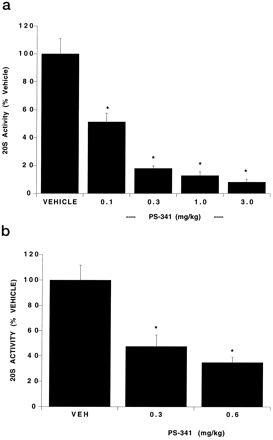
1 mg/kg i.v. twice weekly for 4 weeks, then once weekly Following weekly i.v. treatment of PS-341 to mice bearing the PC-3 tumor, a significant decrease (60%) in tumor burden was observed in vivo. Direct injection of PS-341 into the tumor also caused a substantial (70%) decrease in tumor volume with 40% of the drug-treated mice having no detectable tumors at the end of the study. Studies also revealed that i.v. administration of PS-341 resulted in a rapid and widespread distribution of PS-341, with highest levels identified in the liver and gastrointestinal tract and lowest levels in the skin and muscle. Modest levels were found in the prostate, whereas there was no apparent penetration of the central nervous system. An assay to follow the biological activity of the PS-341 was established and used to determine temporal drug activity as well as its ability to penetrate tissues. As such, PS-341 was shown to penetrate PC-3 tumors and inhibit intracellular proteasome activity 1.0 h after i.v. dosing. These data illustrate that PS-341 not only reaches its biological target but has a direct effect on its biochemical target, the proteasome. Importantly, the data show that inhibition of this target site by PS-341 results in reduced tumor growth in murine tumor models. Together, the results highlight that the proteasome is a novel biochemical target and that inhibitors such as PS-341 represent a unique class of antitumor agents. PS-341 is currently under clinical evaluation for advanced cancers.[1] Nude mouse RPMI 8226 MM xenograft protocol: 1. Animal housing: Female nude mice (6–8 weeks old, 18–22 g) in SPF facilities (22–25°C, 12-hour light/dark cycle) [1] 2. Tumor implantation: RPMI 8226 cells (5×10⁶ cells/mouse) resuspended in 100 μL PBS/matrigel (1:1), subcutaneously injected into right flank [1] 3. Grouping/treatment: Tumors reaching ~100 mm³ (day 0) randomized into 3 groups: (1) Control: intravenous injection of solvent (10 μL/g body weight); (2) Bortezomib 0.5 mg/kg; (3) Bortezomib 1.0 mg/kg. Dosed once every 3 days for 4 weeks [1] 4. Monitoring: Tumor volume measured every 3 days (volume = length × width² / 2). Mice euthanized via CO₂; tumors excised for proteasome activity assay [1] - Nude mouse A549 lung cancer protocol: 1. Tumor implantation: A549 cells (2×10⁶ cells/mouse) resuspended in 100 μL PBS/matrigel (1:1), subcutaneously injected [3] 2. Treatment: Bortezomib 0.8 mg/kg (dissolved in 5% DMSO + 95% saline) administered intraperitoneally twice weekly for 3 weeks [3] 3. Monitoring: Tumor volume and body weight measured weekly [3] |
| ADME/Pharmacokinetics |
Absorption, Distribution and Excretion
Following intravenous administration of 1 mg/m² and 1.3 mg/m² doses, the mean Cmax of bortezomib was 57 ng/mL and 112 ng/mL, respectively. With a twice-weekly dosing regimen, the Cmax ranged from 67 to 106 ng/mL at the 1 mg/m² dose and from 89 to 120 ng/mL at the 1.3 mg/m² dose. In patients with multiple myeloma, the Cmax following subcutaneous bortezomib administration was lower than that following intravenous administration; however, the total systemic exposure was comparable for both routes of administration. Significant individual variability exists in plasma drug concentrations. Bortezomib is primarily eliminated via the kidneys and liver. In patients with multiple myeloma receiving a single or repeated dose of 1 mg/m² or 1.3 mg/m², the mean volume of distribution of bortezomib was approximately 498 to 1884 L/m². Bortezomib is distributed in almost all tissues, except adipose tissue and brain tissue. Following the initial dose of 1 mg/m² and 1.3 mg/m², the mean systemic clearance was 102 L/h and 112 L/h, respectively. After further administration of 1 mg/m² and 1.3 mg/m² doses, the clearance was 15 L/h and 32 L/h, respectively. In 24 patients with multiple myeloma (12 patients per dose group), the mean maximum plasma concentration (Cmax) of bortezomib after the initial dose (day 1) following intravenous administration of 1 mg/m² and 1.3 mg/m² doses was 57 ng/mL and 112 ng/mL, respectively. With subsequent twice-weekly dosing, the mean maximum plasma concentration ranged from 67 to 106 ng/mL in the 1 mg/m² dose group and from 89 to 120 ng/mL in the 1.3 mg/m² dose group. Following multiple doses, the mean elimination half-life of bortezomib was 40 to 193 hours after a 1 mg/m² dose and 76 to 108 hours after a 1.3 mg/m² dose. After the first dose, the mean systemic clearance was 102 L/hr and 112 L/hr in the 1 mg/m² and 1.3 mg/m² dose groups, respectively; after subsequent doses, the mean systemic clearance was 15 to 32 L/hr in the 1 mg/m² and 1.3 mg/m² dose groups, respectively. In patients with multiple myeloma, the mean volume of distribution of bortezomib after single or multiple doses of 1 mg/m² or 1.3 mg/m² was approximately 498 to 1884 L/m². This indicates that bortezomib is widely distributed in peripheral tissues. In the concentration range of 100 to 1000 ng/mL, the mean binding rate of bortezomib to human plasma proteins was 83%. It is currently unknown whether bortezomib is excreted into human milk. For more information on the absorption, distribution, and excretion (complete) of bortezomib (6 items in total), please visit the HSDB record page. Metabolism/Metabolites Bortezomib is primarily metabolized via CYP3A4, CYP2C19, and CYP1A2. CYP2D6 and CYP2C9 also participate in drug metabolism, but to a lesser extent. Oxidative deboronization (i.e., removal of boric acid from the parent compound) is the main metabolic pathway. Bortezomib metabolites are not pharmacologically active, and more than 30 metabolites have been identified in human and animal studies. In vitro studies have shown that bortezomib is primarily metabolized oxidatively by cytochrome P450 enzymes 3A4, 2C19, and 1A2, while the metabolic activity of CYP2D6 and 2C9 enzymes is weak. The main metabolic pathway is deboronization, generating two deboronization metabolites, which are subsequently hydroxylated to generate multiple metabolites. Deboronized bortezomib metabolites do not possess 26S proteasome inhibitor activity. A summary of plasma data from 8 patients at 10 and 30 minutes post-drug administration showed that plasma concentrations of the metabolites were lower than those of the parent drug. ...In human liver microsomes, the potential of bortezomib and its major deboronized metabolites M1 and M2, as well as their dealkylated metabolites M3 and M4, to inhibit major P450 isoenzymes 1A2, 2C9, 2C19, 2D6, and 3A4/5 was evaluated. The results showed that bortezomib, M1, and M2 were weak inhibitors of CYP2C19 (IC50 values of approximately 18.0, 10.0, and 13.2 μM, respectively), and M1 was also a weak inhibitor of CYP2C9 (IC50 value of approximately 11.5 μM). However, bortezomib and its metabolites M1, M2, M3, and M4 did not inhibit other P450 enzymes (IC50 values >30 μM). Bortezomib and its major metabolites also showed no time-dependent inhibition of CYP3A4/5. ... ..Bortezomib binds to the proteasome via its borate moiety; therefore, the presence of this moiety is essential for proteasome inhibition. Metabolites in the plasma of patients who received a single intravenous injection of bortezomib were identified and characterized using liquid chromatography/mass spectrometry (LC/MS) and liquid chromatography/tandem mass spectrometry (LC/MS/MS). Metabolite structures were confirmed using synthetic metabolite standards characterized by LC/MS/MS and high-field nuclear magnetic resonance spectroscopy (NMR). The dominant biotransformation pathway observed was oxidative deboronization, most notably the formation of a pair of diastereomeric carbamate metabolites. Further metabolism of the leucine and phenylalanine moieties yielded tertiary hydroxylated and benzylic hydroxylated metabolites, respectively. Furthermore, the conversion of carbamate to the corresponding amides and carboxylic acids was also observed. Human liver microsomes well mimicked the in vivo metabolism of bortezomib, as the major circulating metabolites were observed in vitro. Using cytochrome P450 isoenzymes expressed on cDNA, several isoenzymes involved in bortezomib metabolism were identified, including CYP3A4, CYP2C19, CYP1A2, CYP2D6, and CYP2C9. ... Biological Half-Life After multiple-dose regimens at a dose of 1 mg/m², the mean elimination half-life of bortezomib was 40 to 193 hours. After multiple doses of 1.3 mg/m² bortezomib, its half-life was 76 to 108 hours. After multiple doses, the mean elimination half-life in the 1 mg/m² dose group was 40 to 193 hours, and the mean elimination half-life in the 1.3 mg/m² dose group was 76 to 108 hours. Plasma protein binding rate: ~95% (human plasma, balanced dialysis at 37°C)[6] - Pharmacokinetics of mice after intravenous injection: 1. Cmax: ~80 ng/mL (1.0 mg/kg intravenously, 5 minutes after administration); 2. Terminal half-life (t₁/₂): ~1.2 hours; 3. Clearance (CL): ~15 mL/min/kg [1] |
| Toxicity/Toxicokinetics |
Hepatotoxicity
Elevated serum transaminase levels are common in large clinical trials of bortezomib, occurring in approximately 10% of patients. However, values exceeding 5 times the upper limit of normal (ULN) are rare, occurring only in the following situations: Bortezomib is often used in combination with other chemotherapy drugs (including cyclophosphamide and dexamethasone), which may cause hepatitis B virus reactivation. However, there are currently no reports of hepatitis B virus reactivation caused by bortezomib alone. Probability score: C (likely a clinically significant cause of drug-induced liver injury). Protein Binding At concentrations ranging from 100 to 1000 ng/mL, bortezomib binds to human plasma proteins at approximately 83%. Interactions Diabetic patients receiving bortezomib have been reported to experience both hypoglycemia and hyperglycemia when concurrently taking oral hypoglycemic agents. If bortezomib is used in combination with oral hypoglycemic agents, blood glucose levels should be closely monitored, and the dosage of the hypoglycemic agent should be adjusted as needed. Bortezomib may interact with other drugs that can cause peripheral neuropathy (e.g., amiodarone, antiviral drugs, isoniazid, nitrofurantoin, HMG-CoA reductase inhibitors [statins]), increasing the risk of peripheral neuropathy. Bortezomib may interact with drugs that can cause hypotension, increasing the risk of hypotension. The dosage of the antihypertensive agent may need to be adjusted. ...In a preclinical toxicology study, rats treated with bortezomib developed hepatomegaly (35%). Analysis of ex vivo liver samples showed an 18% decrease in cytochrome P450 (P450) content, a 60% increase in palmitoyl-CoA β-oxidation activity, and a 41% and 23% decrease in CYP3A protein expression and activity, respectively. Furthermore, the levels and activities of CYP2B and CYP4A proteins in liver samples from rats treated with bortezomib showed little change. To assess the potential for clinical drug interactions, this study evaluated the inhibitory potential of bortezomib and its major deboronized metabolites M1 and M2, as well as their dealkylated metabolites M3 and M4, against major P450 isoenzymes 1A2, 2C9, 2C19, 2D6, and 3A4/5 in human liver microsomes. The study found that bortezomib, M1, and M2 were weak inhibitors of CYP2C19 (IC50 values of approximately 18.0, 10.0, and 13.2 μM, respectively), and M1 was also a weak inhibitor of CYP2C9 (IC50 value of approximately 11.5 μM). However, bortezomib, M1, M2, M3, and M4 had no inhibitory effect on other P450 enzymes (IC50 values > 30 μM). Bortezomib and its major metabolite also showed no time-dependent inhibition of CYP3A4/5. Based on these results, bortezomib and its major metabolite are not expected to cause serious P450-mediated clinical drug interactions. ... In vitro toxicity: 1. Normal human peripheral blood mononuclear cells: After 72 hours of treatment with 50 nM bortezomib, cell viability decreased by <15%; no obvious apoptosis was observed (Annexin V staining) [6] -In vivo toxicity in mice (references [1], [2]): 1. Acute toxicity: A single intravenous injection of 2.0 mg/kg bortezomib did not cause death; transient weight loss (<5% vs. baseline) recovered within 3 days [1] 2. Subacute toxicity: 1.0 mg/kg bortezomib (intravenous injection, once every 3 days for 4 weeks): - Serum ALT, AST, creatinine and BUN were all within the normal range; - No histopathological lesions were observed in the liver, kidneys or heart [2] |
| References | |
| Additional Infomation |
Therapeutic Uses
Antitumor drug; Protease inhibitor Bortezomib injection is indicated for the treatment of patients with multiple myeloma who have received at least one prior therapy. /US product label contains/ Bortezomib injection is indicated for the treatment of patients with mantle cell lymphoma who have received at least one prior therapy. /US product label contains/ Drug Warnings Contraindicated in patients with known hypersensitivity to bortezomib, boron, or mannitol. Bortezomib primarily causes sensory peripheral neuropathy, but severe motor peripheral neuropathy has also been reported. In a phase III clinical trial, 36% of patients treated with bortezomib developed peripheral neuropathy, compared to 9% of patients treated with dexamethasone. Grade 3 or 4 peripheral neuropathy occurred in 7% of patients treated with bortezomib and less than 1% of patients treated with dexamethasone. After dose adjustment, 51% of patients with grade 2 or higher peripheral neuropathy experienced symptom relief or resolution within an average of 3.5 months after onset. Approximately 8% of patients discontinue bortezomib treatment due to peripheral neuropathy. Patients receiving bortezomib should be monitored for signs of neuropathy (e.g., burning sensation, hyperesthesia, hypoesthesia, paresthesia, malaise, neuropathic pain). For patients experiencing new-onset or worsening peripheral neuropathy, the dose and/or frequency of bortezomib administration should be adjusted. In the Phase III trial, 61% of patients receiving bortezomib reported fatigue (i.e., tiredness, malaise, weakness), compared to 45% of patients receiving dexamethasone. Grade 3 fatigue was observed in 12% of patients receiving bortezomib, compared to only 6% of patients receiving dexamethasone. Approximately 3% of patients receiving bortezomib discontinued treatment due to fatigue, compared to approximately 2% of patients receiving dexamethasone. For more complete data on bortezomib (26 total), please visit the HSDB records page. Pharmacodynamics Bortezomib's mechanism of action targets the ubiquitin-proteasome pathway, a crucial molecular pathway regulating intracellular protein concentration and promoting protein degradation. The ubiquitin-proteasome pathway is frequently dysregulated under pathological conditions, leading to abnormal pathway signaling and the formation of malignant cells. One study found that the activity level of chymotrypsin-like proteasomes in patient-derived chronic lymphocytic leukemia (CLL) cells was three times higher than in normal lymphocytes. Bortezomib prevents proteasome-mediated proteolysis by reversibly inhibiting the proteasome. Bortezomib exhibits cytotoxicity against various cancer cell types in vitro and slows tumor growth in vivo in non-clinical tumor models. Bortezomib inhibits proteasome activity in a dose-dependent manner. In a pharmacodynamic study, a proteasome inhibition rate of over 75% was observed in whole blood samples within one hour of administration. Mechanism of action: Bortezomib is a first-in-class proteasome inhibitor that selectively binds to the β5 subunit of the 26S proteasome, thereby blocking the degradation of ubiquitinated proteins (such as IκBα and p53). This leads to the accumulation of pro-apoptotic proteins and the inhibition of NF-κB (a pro-survival pathway in cancer), thereby inducing apoptosis in cancer cells [4][5] - Preclinical efficacy focus: Early studies targeted multiple myeloma and mantle cell lymphoma (high NF-κB activity), and due to its broad anti-proliferative activity, the scope of research has been expanded to solid tumors (e.g., lung cancer, colon cancer) [1][3][6] - Clinical potential: References [2] and [6] indicate that bortezomib has good preclinical safety (low normal cytotoxicity) and tumor selectivity, supporting its entry into clinical trials for refractory hematologic malignancies [2][6] - FDA approval status not mentioned (references published between 1996 and 2011; bortezomib was approved by the FDA in 2003 for the treatment of multiple myeloma) [1][2][3][4][5][6] |
| Molecular Formula |
C19H25BN4O4
|
|---|---|
| Molecular Weight |
384.24
|
| Exact Mass |
384.196
|
| Elemental Analysis |
C, 59.39; H, 6.56; B, 2.81; N, 14.58; O, 16.66
|
| CAS # |
179324-69-7
|
| Related CAS # |
Bortezomib-d8
|
| PubChem CID |
387447
|
| Appearance |
White solid powder
|
| Density |
1.2±0.1 g/cm3
|
| Melting Point |
122-124°C
|
| Index of Refraction |
1.564
|
| LogP |
2.45
|
| Hydrogen Bond Donor Count |
4
|
| Hydrogen Bond Acceptor Count |
6
|
| Rotatable Bond Count |
9
|
| Heavy Atom Count |
28
|
| Complexity |
500
|
| Defined Atom Stereocenter Count |
2
|
| SMILES |
CC(C[C@H](NC([C@@H](NC(C1=CN=CC=N1)=O)CC1=CC=CC=C1)=O)B(O)O)C
|
| InChi Key |
GXJABQQUPOEUTA-RDJZCZTQSA-N
|
| InChi Code |
InChI=1S/C19H25BN4O4/c1-13(2)10-17(20(27)28)24-18(25)15(11-14-6-4-3-5-7-14)23-19(26)16-12-21-8-9-22-16/h3-9,12-13,15,17,27-28H,10-11H2,1-2H3,(H,23,26)(H,24,25)/t15-,17-/m0/s1
|
| Chemical Name |
[(1R)-3-methyl-1-[[(2S)-3-phenyl-2-(pyrazine-2-carbonylamino)propanoyl]amino]butyl]boronic acid
|
| Synonyms |
NSC 681239; PS-341; PS341; MLN-341; PS 341; LDP-341; LDP 341; LDP341; MLN341; PS-341; Bortezomib (PS-341); Ps 341; Bortezomib accord; MLN 341. Brand name: VELCADE
|
| HS Tariff Code |
2934.99.9001
|
| Storage |
Powder -20°C 3 years 4°C 2 years In solvent -80°C 6 months -20°C 1 month Note: This product requires protection from light (avoid light exposure) during transportation and storage. |
| Shipping Condition |
Room temperature (This product is stable at ambient temperature for a few days during ordinary shipping and time spent in Customs)
|
| Solubility (In Vitro) |
DMSO: ~76 mg/mL (~197.8 mM)
Water: 1 mg/mL (Insoluble) Ethanol: 1 mg/mL |
|---|---|
| Solubility (In Vivo) |
Solubility in Formulation 1: ≥ 4 mg/mL (10.41 mM) (saturation unknown) in 10% EtOH + 40% PEG300 + 5% Tween80 + 45% Saline (add these co-solvents sequentially from left to right, and one by one), clear solution.
For example, if 1 mL of working solution is to be prepared, you can add 100 μL of 40.0 mg/mL clear EtOH stock solution to 400 μL PEG300 and mix evenly; then add 50 μL Tween-80 to the above solution and mix evenly; then add 450 μL normal saline to adjust the volume to 1 mL. Preparation of saline: Dissolve 0.9 g of sodium chloride in 100 mL ddH₂ O to obtain a clear solution. Solubility in Formulation 2: ≥ 4 mg/mL (10.41 mM) (saturation unknown) in 10% EtOH + 90% (20% SBE-β-CD in Saline) (add these co-solvents sequentially from left to right, and one by one), clear solution. For example, if 1 mL of working solution is to be prepared, you can add 100 μL of 40.0 mg/mL clear EtOH stock solution to 900 μL of 20% SBE-β-CD physiological saline solution and mix evenly. Preparation of 20% SBE-β-CD in Saline (4°C,1 week): Dissolve 2 g SBE-β-CD in 10 mL saline to obtain a clear solution. View More
Solubility in Formulation 3: ≥ 4 mg/mL (10.41 mM) (saturation unknown) in 10% EtOH + 90% Corn Oil (add these co-solvents sequentially from left to right, and one by one), clear solution. Solubility in Formulation 4: ≥ 2.5 mg/mL (6.51 mM) (saturation unknown) in 5% DMSO + 40% PEG300 + 5% Tween80 + 50% Saline (add these co-solvents sequentially from left to right, and one by one), clear solution. Preparation of saline: Dissolve 0.9 g of sodium chloride in 100 mL ddH₂ O to obtain a clear solution. Solubility in Formulation 5: ≥ 2.5 mg/mL (6.51 mM) (saturation unknown) in 5% DMSO + 95% (20% SBE-β-CD in Saline) (add these co-solvents sequentially from left to right, and one by one), clear solution. Solubility in Formulation 6: ≥ 2.08 mg/mL (5.41 mM) (saturation unknown) in 10% DMSO + 40% PEG300 + 5% Tween80 + 45% Saline (add these co-solvents sequentially from left to right, and one by one), clear solution. For example, if 1 mL of working solution is to be prepared, you can add 100 μL of 20.8 mg/mL clear DMSO stock solution to 400 μL PEG300 and mix evenly; then add 50 μL Tween-80 to the above solution and mix evenly; then add 450 μL normal saline to adjust the volume to 1 mL. Preparation of saline: Dissolve 0.9 g of sodium chloride in 100 mL ddH₂ O to obtain a clear solution. Solubility in Formulation 7: ≥ 2.08 mg/mL (5.41 mM) (saturation unknown) in 10% DMSO + 90% (20% SBE-β-CD in Saline) (add these co-solvents sequentially from left to right, and one by one), clear solution. For example, if 1 mL of working solution is to be prepared, you can add 100 μL of 20.8 mg/mL clear DMSO stock solution to 900 μL of 20% SBE-β-CD physiological saline solution and mix evenly.Preparation of 20% SBE-β-CD in Saline (4°C,1 week): Dissolve 2 g SBE-β-CD in 10 mL saline to obtain a clear solution. Solubility in Formulation 8: ≥ 2.08 mg/mL (5.41 mM) (saturation unknown) in 10% DMSO + 90% Corn Oil (add these co-solvents sequentially from left to right, and one by one), clear solution. For example, if 1 mL of working solution is to be prepared, you can add 100 μL of 20.8 mg/mL clear DMSO stock solution to 900 μL of corn oil and mix evenly. Solubility in Formulation 9: ≥ 0.5 mg/mL (1.30 mM) (saturation unknown) in 1% DMSO 99% Saline (add these co-solvents sequentially from left to right, and one by one), clear solution. |
| Preparing Stock Solutions | 1 mg | 5 mg | 10 mg | |
| 1 mM | 2.6025 mL | 13.0127 mL | 26.0254 mL | |
| 5 mM | 0.5205 mL | 2.6025 mL | 5.2051 mL | |
| 10 mM | 0.2603 mL | 1.3013 mL | 2.6025 mL |
*Note: Please select an appropriate solvent for the preparation of stock solution based on your experiment needs. For most products, DMSO can be used for preparing stock solutions (e.g. 5 mM, 10 mM, or 20 mM concentration); some products with high aqueous solubility may be dissolved in water directly. Solubility information is available at the above Solubility Data section. Once the stock solution is prepared, aliquot it to routine usage volumes and store at -20°C or -80°C. Avoid repeated freeze and thaw cycles.
Calculation results
Working concentration: mg/mL;
Method for preparing DMSO stock solution: mg drug pre-dissolved in μL DMSO (stock solution concentration mg/mL). Please contact us first if the concentration exceeds the DMSO solubility of the batch of drug.
Method for preparing in vivo formulation::Take μL DMSO stock solution, next add μL PEG300, mix and clarify, next addμL Tween 80, mix and clarify, next add μL ddH2O,mix and clarify.
(1) Please be sure that the solution is clear before the addition of next solvent. Dissolution methods like vortex, ultrasound or warming and heat may be used to aid dissolving.
(2) Be sure to add the solvent(s) in order.
Virotherapy and Natural History Study of KHSV-Associated Multricentric Castleman s Disease With Correlates of Disease Activity
CTID: NCT00092222
Phase: Phase 2 Status: Active, not recruiting
Date: 2024-11-25
|
|---|
|
|
|
|---|
|
|
Products are for research use only; We do not sell to patients
Copyright 2020 InvivoChem LLC | All Rights Reserved


 COA
COA