| Size | Price | Stock | Qty |
|---|---|---|---|
| 2mg |
|
||
| 5mg |
|
||
| 10mg |
|
||
| 25mg |
|
||
| 50mg |
|
||
| 100mg |
|
||
| 250mg |
|
||
| Other Sizes |
Purity: ≥98%
| Targets |
PD-1/PD-L1 (IC50 = 18 nM); PD-1/PD-L1 (KD = 8 μM)
Programmed Death Ligand 1 (PD-L1): BMS-202 is a small-molecule inhibitor that binds to PD-L1, blocking its interaction with PD-1 and CD80. It has a dissociation constant (Ki) of 0.7 ± 0.1 μM for PD-L1 (measured by surface plasmon resonance, SPR) and an IC50 of 1.2 ± 0.1 μM for inhibiting PD-L1/PD-1 binding (determined by homogeneous time-resolved fluorescence, HTRF) [1] |
|---|---|
| ln Vitro |
BMS-202 (0-100 μM; 4 days; SCC-3 or Jurkat cells) treatment prevents the proliferation of strongly PD-L1 positive SCC-3 cells (IC50 of 15 μM) and anti-CD3 antibody-activated Jurkat cells (IC50 10 μM) in vitro[2]. BMS-202 specifically induces PD-L1 thermal stabilization. BMS-202 causes PD-L1 dimerization in solution. At the homodimer's core, BMS-202 fills a large hydrophobic pocket, facilitating numerous additional interactions between the monomers. PD-1/PD-L1 interaction is physiologically mediated by hydrophobic surfaces, and BMS-202 interacts with both PD-L1 molecules on these surfaces[1].
PD-L1/PD-1 Binding Inhibition: Recombinant human PD-L1 (extracellular domain, ECD) and PD-1 (ECD) were incubated with BMS-202 (0.1–10 μM). HTRF assay showed concentration-dependent inhibition of PD-L1/PD-1 complex formation: 1 μM inhibited ~70%, 3 μM inhibited ~88%, and 5 μM inhibited >95%. BMS-202 also blocked PD-L1/CD80 binding (IC50 = 1.5 ± 0.2 μM) [1] - Antiproliferative and Pro-Apoptotic Effects on Glioblastoma Cells: Human glioblastoma U87MG and U251 cells were treated with BMS-202 (0.5–10 μM) for 48 hours. MTT assay showed IC50 values of 2.5 ± 0.3 μM (U87MG) and 2.8 ± 0.2 μM (U251). Annexin V-FITC/PI staining revealed apoptosis rates increased from 5% (control) to 35% (5 μM BMS-202, U87MG) and 32% (5 μM BMS-202, U251). Western blot detected reduced PD-L1 (by 65% at 5 μM), glycolysis-related proteins (GLUT1: 55% reduction, LDHA: 60% reduction), and increased cleaved caspase-3 (3.2-fold at 5 μM) and Bax/Bcl-2 ratio (4.0-fold at 5 μM) [3] - Metabolic Remodeling in Glioblastoma Cells: U87MG cells treated with BMS-202 (2–5 μM) for 24 hours showed reduced glycolytic activity (extracellular acidification rate, ECAR, decreased by 40% at 5 μM) and enhanced oxidative phosphorylation (oxygen consumption rate, OCR, increased by 30% at 5 μM) (measured by Seahorse XF analyzer). RT-PCR confirmed downregulation of glycolysis-related genes: HK2 (50% reduction), PKM2 (55% reduction), and LDHA (60% reduction) at 5 μM [3] |
| ln Vivo |
BMS-202 (20 mg/kg; intraperitoneal injection; daily; for 9 days; NOG-dKO mice) treatment exhibits a distinct antitumor effect in comparison to the controls, in humanized MHC- dKO NOG mice[2].
Moreover, data from tumor-bearing nude-mice xenografts supported that BMS-202 significantly inhibited the growth of U251 cells in vivo. Above all, these in vivo and in vitro data demonstrated that BMS-202 significantly inhibited the growth of GBM cells without affecting normal glial cells, implicating a safe therapeutic window for its antitumor application in GBM. Antitumor Activity in Humanized MHC Double-Knockout NOG Mice: Female humanized MHC double-knockout NOG mice (6–8 weeks old) were subcutaneously injected with 5×10⁶ human non-small cell lung cancer (NSCLC) A549 cells (PD-L1-positive). When tumors reached 50–100 mm³, mice were divided into 3 groups (n=6 per group): 1. Vehicle control (0.1% DMSO + sterile saline); 2. BMS-202 10 mg/kg; 3. BMS-202 20 mg/kg. BMS-202 was administered intraperitoneally 3 times/week for 21 days. Compared to controls: - 10 mg/kg group: Tumor volume reduced by 45%, tumor weight reduced by 40%, 21-day survival rate increased from 30% to 55%; - 20 mg/kg group: Tumor volume reduced by 65%, tumor weight reduced by 70%, 21-day survival rate increased from 30% to 70%. Immunohistochemistry of tumors showed increased CD8⁺ T cell infiltration (2.5-fold at 20 mg/kg), decreased Foxp3⁺ regulatory T cells (50% reduction at 20 mg/kg), and elevated IFN-γ expression (3.0-fold at 20 mg/kg) [2] |
| Enzyme Assay |
All binding studies are performed in an HTRF assay buffer consisting of dPBS supplemented with 0.1% (with v) bovine serum albumin and 0.05% (v/v) Tween-20. For the PD-l-Ig/PD-Ll-His binding assay, inhibitors are pre-incubated with PD-Ll-His (10 nM final) for 15 m in 4 μL of assay buffer, followed by addition of PD-l-Ig (20 nM final) in 1 μL of assay buffer and further incubation for 15 m. PD-L1 from either human, cyno, or mouse are used. HTRF detection is achieved using europium crypate-labeled anti- Ig (1 nM final) and allophycocyanin (APC) labeled anti-His (20 nM final). Antibodies are diluted in HTRF detection buffer and 5 μL is dispensed on top of binding reaction. The reaction mixture is allowed to equilibrate for 30 minutes and signal (665 nm/620 nm ratio) is obtained using an En Vision fluorometer. Additional binding assays are established between PD-1-Ig/PD-L2-His (20, 5 nM, respectively), CD80-His/PD-Ll-Ig (100, 10 nM, respectively) and CD80-His/CTLA4-Ig (10, 5 nM, respectively).
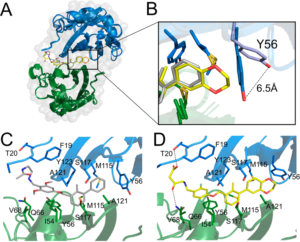
Surface Plasmon Resonance (SPR) Assay: Recombinant human PD-L1 ECD was covalently immobilized on a CM5 sensor chip via amine coupling. BMS-202 was serially diluted (0.1–10 μM) in running buffer (10 mM HEPES pH 7.4, 150 mM NaCl, 0.05% Tween-20) and injected over the chip at 30 μL/min for 120 seconds (association phase), followed by running buffer for 300 seconds (dissociation phase). Sensorgrams were fitted to a 1:1 binding model to calculate association rate constant (Ka), dissociation rate constant (Kd), and Ki (Kd = 0.7 ± 0.1 μM) [1] - X-Ray Crystallography for PD-L1/BMS-202 Complex: Recombinant PD-L1 ECD (10 mg/mL) was incubated with BMS-202 (2 mM) at 4°C overnight. Crystals were grown using the hanging-drop vapor diffusion method (reservoir solution: 20% PEG 3350, 0.2 M ammonium citrate pH 6.5) at 20°C. Diffraction data were collected at a synchrotron source (wavelength 1.0 Å) and processed using HKL2000. The structure was solved by molecular replacement (PDB template: 4ZQK) and refined with PHENIX. Analysis showed BMS-202 binds to the PD-L1 homodimer interface, forming hydrogen bonds with Tyr56, Arg113, and Gln66 of PD-L1 [1] |
| Cell Assay |
The programmed death-1/programmed death-ligand 1 (PD-1/PD-L1) interaction plays a dominant role in the suppression of T cell responses, especially in a tumor microenvironment, protecting tumor cells from lysis. PD-1/PD-L1 inhibitor 2 is reported to prevent the interaction of PD-L1 with PD-1 with an IC50 value of 18 nM.
Glioblastoma Cell Proliferation Assay (MTT): U87MG/U251 cells were seeded in 96-well plates (5×10³ cells/well) and cultured overnight. BMS-202 (0.5–10 μM) was added, and cells were incubated for 48 hours. MTT solution (5 mg/mL) was added (20 μL/well) and incubated for 4 hours. DMSO (150 μL/well) was added to dissolve formazan crystals, and absorbance was measured at 570 nm. IC50 was calculated via nonlinear regression [3] - Apoptosis Assay (Annexin V-FITC/PI): U87MG cells were seeded in 6-well plates (2×10⁵ cells/well) and treated with BMS-202 (0.5–10 μM) for 72 hours. Cells were harvested, washed with PBS, and stained with Annexin V-FITC (5 μL) and PI (10 μL) for 15 minutes at room temperature. Apoptosis was analyzed by flow cytometry (excitation 488 nm, emission 530 nm for FITC, 610 nm for PI) [3] - Metabolic Assay (Seahorse XF): U87MG cells were seeded in XF96 cell culture plates (1×10⁴ cells/well) and treated with BMS-202 (2–5 μM) for 24 hours. Culture medium was replaced with XF base medium (supplemented with 10 mM glucose, 2 mM glutamine, 1 mM pyruvate), and cells were incubated at 37°C (no CO₂) for 1 hour. ECAR (glycolysis) and OCR (oxidative phosphorylation) were measured using a Seahorse XF96 analyzer. Data were normalized to cell number [3] |
| Animal Protocol |
In an in vivo study using humanized MHC-double knockout (dKO) NOG mice, BMS-202 showed a clear antitumor effect compared with the controls; however, a direct cytotoxic effect was revealed to be involved in the antitumor mechanism, as there was no lymphocyte accumulation in the tumor site. These results suggest that the antitumor effect of BMS-202 might be partly mediated by a direct off-target cytotoxic effect in addition to the immune response-based mechanism. Also, the humanized dKO NOG mouse model used in this study was shown to be a useful tool for the screening of small molecule inhibitors of PD-1/PD-L1 binding that can inhibit tumor growth via an immune-response-mediated mechanism[2].
In vivo therapeutic tumor-bearing xenografts with BMS-202[3] According to our previous studies, 5 × 10~6 U251 cells were mixed with matrigel and subcutaneously injected into the male NOD/SCID nude mice, aged 4–6 weeks (n = 8). When the tumor volume (0.5 × length × width2) reached 100 mm3, the mice were randomly divided into the control group, treated with vehicle, and the BMS-202 group, intraperitoneally injected with 20 mg/kg BMS-202, twice per week. The therapeutic process was stopped until the tumor volumes in the control group reached the ethically approved maximum volume 2000 mm3. Humanized NOG Mouse NSCLC Xenograft Model: Female humanized MHC double-knockout NOG mice (6–8 weeks old) were housed under specific pathogen-free conditions. 5×10⁶ A549 cells (resuspended in 0.2 mL PBS) were injected subcutaneously into the right flank. When tumors reached 50–100 mm³, mice were randomized into 3 groups (n=6): - Vehicle group: 0.1% DMSO + sterile saline, intraperitoneal injection (i.p.) 3 times/week; - BMS-202 10 mg/kg group: BMS-202 dissolved in 0.1% DMSO + saline (1 mg/mL), i.p. 3 times/week; - BMS-202 20 mg/kg group: BMS-202 dissolved in 0.1% DMSO + saline (2 mg/mL), i.p. 3 times/week. Tumor volume (length × width² / 2) and body weight were measured weekly. After 21 days, mice were euthanized by cervical dislocation: tumors were excised (weighed, fixed in 10% neutral formalin for immunohistochemistry or frozen at -80°C for protein/RNA extraction); serum was collected to measure cytokines (IFN-γ, TNF-α) via ELISA [2] |
| Toxicity/Toxicokinetics |
In vitro normal cell toxicity: Normal human astrocytes (NHA) were treated with BMS-202 (0.5–10 μM) for 48 hours. MTT assay showed that cell viability was >90% at all concentrations, indicating no significant cytotoxicity [3]
- In vivo mouse safety: In humanized NOG mouse models, BMS-202 (10–20 mg/kg, intraperitoneal injection, 21 days) did not cause significant changes in body weight (±5% compared to the control group), organ weight (liver, kidney, spleen) or serum biochemical indicators (ALT, AST, BUN, creatinine). Histopathological examination of liver and kidney tissues revealed no inflammation, necrosis or fibrosis [2] |
| References |
|
| Additional Infomation |
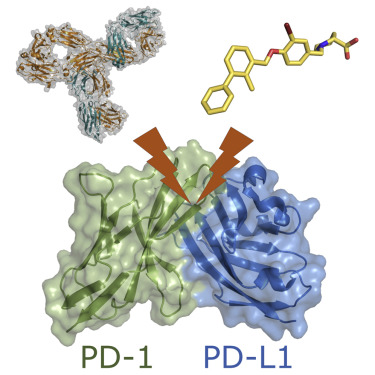
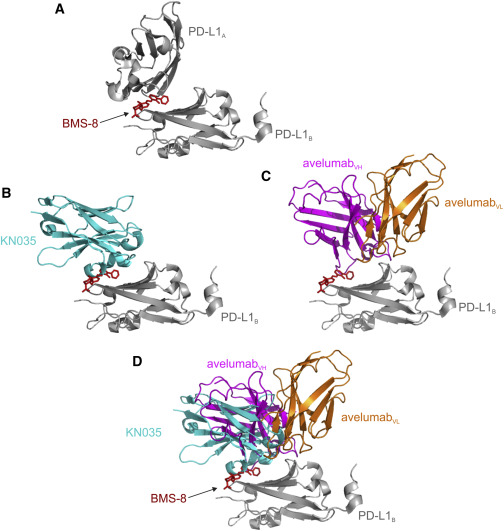
In recent years, the use of monoclonal antibodies to target the PD-1/PD-L1 immune checkpoint has achieved unprecedented results in cancer treatment. Due to the lack of sufficient structural information, the development of chemical inhibitors targeting this pathway has lagged behind the development of antibodies. Bristol-Myers Squibb recently disclosed the first non-peptide chemical inhibitor targeting the PD-1/PD-L1 interaction. This study shows that these small molecule compounds can directly bind to PD-L1 and effectively block the binding of PD-1. Structural studies revealed a dimer protein complex in which a single small molecule can stabilize the dimer, thereby blocking the interaction surface between PD-L1 and PD-1. The small molecule interaction \"hotspots\" on the PD-L1 surface provide ideas for the discovery of PD-1/PD-L1 antagonist drugs. [1] Recently, Bristol-Myers Squibb (BMS) reported the first batch of PD-1/PD-L1 small molecule inhibitors, which were developed based on homogeneous time-resolved fluorescence (HTRF) screening of PD-1/PD-L1 interactions. Further crystallographic and biophysical studies have shown that these compounds inhibit the PD-1/PD-L1 interaction by inducing PD-L1 dimerization, where each dimer binds a stabilizer molecule at its interface. However, the antitumor immunological mechanisms of these compounds remain to be elucidated. In this study, we focused on BMS-202 (a representative of BMS compounds) and investigated its antitumor activity through in vitro and in vivo experiments. In vitro experiments showed that BMS-202 inhibited the proliferation of strongly PD-L1-positive SCC-3 cells (IC50 15 μM) and anti-CD3 antibody-activated Jurkat cells (IC50 10 μM). Furthermore, BMS-202 did not regulate the expression levels of PD-1 or PD-L1 on the surface of these cells. In in vivo studies using humanized MHC double knockout (dKO) NOG mice, BMS-202 showed significant antitumor activity compared to the control group; however, since no lymphocyte aggregation was observed at the tumor site, a direct cytotoxic effect was found in its antitumor mechanism. These results suggest that the antitumor effect of BMS-202 may be achieved in part through direct non-target cytotoxicity and immune response mechanisms. In addition, the humanized dKO NOG mouse model used in this study has been shown to be an effective tool for screening PD-1/PD-L1 binding small molecule inhibitors that can inhibit tumor growth through immune response-mediated mechanisms. [2]
Recently, crystallographic studies have shown that the small molecule compound BMS-202 with a methoxy-1-pyridine chemical structure has a high affinity for PD-L1 dimers. However, its role and mechanism in glioblastoma (GBM) remains unclear. This study aimed to investigate the antitumor activity and potential mechanism of BMS-202 in GBM using multi-omics and bioinformatics techniques, combined with numerous in vitro and in vivo experiments (including CCK-8 assay, flow cytometry, immunoprecipitation, siRNA transfection, PCR, Western blotting, cell migration/invasion assays, and xenograft therapy experiments). Our results showed that BMS-202 significantly inhibited GBM cell proliferation both in vitro and in vivo. Furthermore, it effectively blocked cell migration and invasion in vitro. Mechanistically, it reduced PD-L1 expression on the surface of GBM cells and blocked the PD-L1-AKT-BCAT1 axis independently of the mTOR signaling pathway. In conclusion, we believe that BMS-202 holds promise as a potential therapeutic agent for GBM patients, with its mechanism of action being to improve patient survival by remodeling cellular metabolism. [3] Mechanism of action: 1. Immunomodulatory effect (References 1, 2): BMS-202 binds to the homodimer interface of PD-L1 and the CD80 binding site, preventing PD-L1 from interacting with PD-1 (on the surface of T cells) and CD80 (on the surface of antigen-presenting cells). This can alleviate PD-1/PD-L1-mediated immunosuppression, activate CD8⁺ T cell proliferation and cytokine (IFN-γ, TNF-α) secretion, thereby killing tumor cells [1,2] 2. Metabolic remodeling (Reference 3): In glioblastoma cells, BMS-202 inhibits the Warburg effect (aerobic glycolysis) by downregulating GLUT1, LDHA, HK2 and PKM2, while enhancing oxidative phosphorylation. This metabolic shift reduces the production of ATP required for tumor proliferation and induces apoptosis [3] - Therapeutic potential: - BMS-202 has shown efficacy in vivo against PD-L1-positive non-small cell lung cancer (NSCLC) and in vitro against glioblastoma, supporting its potential for treating PD-L1-overexpressing solid tumors [2,3] - Its dual mechanism (immune activation + metabolic remodeling) makes it an ideal candidate for combination therapy with chemotherapy drugs or other immunotherapies [3] - Structural specificity: The crystal structure of the PD-L1/BMS-202 complex shows high binding specificity—BMS-202 does not bind to PD-L2 (a homolog of PD-L1), thus avoiding off-target immunomodulation [1] |
| Molecular Formula |
C25H29N3O3
|
|
|---|---|---|
| Molecular Weight |
419.52
|
|
| Exact Mass |
419.22
|
|
| Elemental Analysis |
C, 71.57; H, 6.97; N, 10.02; O, 11.44
|
|
| CAS # |
1675203-84-5
|
|
| Related CAS # |
N-deacetylated BMS-202;2310135-18-1
|
|
| PubChem CID |
117951478
|
|
| Appearance |
White to off-white solid powder
|
|
| Density |
1.1±0.1 g/cm3
|
|
| Boiling Point |
611.4±55.0 °C at 760 mmHg
|
|
| Flash Point |
323.6±31.5 °C
|
|
| Vapour Pressure |
0.0±1.8 mmHg at 25°C
|
|
| Index of Refraction |
1.575
|
|
| LogP |
3.99
|
|
| Hydrogen Bond Donor Count |
2
|
|
| Hydrogen Bond Acceptor Count |
5
|
|
| Rotatable Bond Count |
10
|
|
| Heavy Atom Count |
31
|
|
| Complexity |
526
|
|
| Defined Atom Stereocenter Count |
0
|
|
| SMILES |
O(C1C([H])=C([H])C(=C(N=1)OC([H])([H])[H])C([H])([H])N([H])C([H])([H])C([H])([H])N([H])C(C([H])([H])[H])=O)C([H])([H])C1C([H])=C([H])C([H])=C(C2C([H])=C([H])C([H])=C([H])C=2[H])C=1C([H])([H])[H]
|
|
| InChi Key |
JEDPSOYOYVELLZ-UHFFFAOYSA-N
|
|
| InChi Code |
InChI=1S/C25H29N3O3/c1-18-22(10-7-11-23(18)20-8-5-4-6-9-20)17-31-24-13-12-21(25(28-24)30-3)16-26-14-15-27-19(2)29/h4-13,26H,14-17H2,1-3H3,(H,27,29)
|
|
| Chemical Name |
2-[2,6-dichloro-4-(3,5-dimethyl-1,2-oxazol-4-yl)anilino]-N-hydroxybenzamide
|
|
| Synonyms |
|
|
| HS Tariff Code |
2934.99.9001
|
|
| Storage |
Powder -20°C 3 years 4°C 2 years In solvent -80°C 6 months -20°C 1 month |
|
| Shipping Condition |
Room temperature (This product is stable at ambient temperature for a few days during ordinary shipping and time spent in Customs)
|
| Solubility (In Vitro) |
DMSO: ~83 mg/mL (~197.8 mM)
Water: 1 mg/mL (Insoluble) Ethanol: ~83 mg/mL (~197.8 mM) |
|---|---|
| Solubility (In Vivo) |
Solubility in Formulation 1: ≥ 2.5 mg/mL (5.96 mM) (saturation unknown) in 10% DMSO + 40% PEG300 + 5% Tween80 + 45% Saline (add these co-solvents sequentially from left to right, and one by one), clear solution.
For example, if 1 mL of working solution is to be prepared, you can add 100 μL of 25.0 mg/mL clear DMSO stock solution to 400 μL PEG300 and mix evenly; then add 50 μL Tween-80 to the above solution and mix evenly; then add 450 μL normal saline to adjust the volume to 1 mL. Preparation of saline: Dissolve 0.9 g of sodium chloride in 100 mL ddH₂ O to obtain a clear solution. Solubility in Formulation 2: ≥ 2.5 mg/mL (5.96 mM) (saturation unknown) in 10% DMSO + 90% (20% SBE-β-CD in Saline) (add these co-solvents sequentially from left to right, and one by one), clear solution. For example, if 1 mL of working solution is to be prepared, you can add 100 μL of 25.0 mg/mL clear DMSO stock solution to 900 μL of 20% SBE-β-CD physiological saline solution and mix evenly. Preparation of 20% SBE-β-CD in Saline (4°C,1 week): Dissolve 2 g SBE-β-CD in 10 mL saline to obtain a clear solution. View More
Solubility in Formulation 3: ≥ 2.5 mg/mL (5.96 mM) (saturation unknown) in 10% DMSO + 90% Corn Oil (add these co-solvents sequentially from left to right, and one by one), clear solution. Solubility in Formulation 4: 4.05 mg/mL (9.65 mM) in 45% PEG300 5% Tween-80 50% Saline (add these co-solvents sequentially from left to right, and one by one), clear solution; with ultrasonication. Preparation of saline: Dissolve 0.9 g of sodium chloride in 100 mL ddH₂ O to obtain a clear solution. |
| Preparing Stock Solutions | 1 mg | 5 mg | 10 mg | |
| 1 mM | 2.3837 mL | 11.9184 mL | 23.8368 mL | |
| 5 mM | 0.4767 mL | 2.3837 mL | 4.7674 mL | |
| 10 mM | 0.2384 mL | 1.1918 mL | 2.3837 mL |
*Note: Please select an appropriate solvent for the preparation of stock solution based on your experiment needs. For most products, DMSO can be used for preparing stock solutions (e.g. 5 mM, 10 mM, or 20 mM concentration); some products with high aqueous solubility may be dissolved in water directly. Solubility information is available at the above Solubility Data section. Once the stock solution is prepared, aliquot it to routine usage volumes and store at -20°C or -80°C. Avoid repeated freeze and thaw cycles.
Calculation results
Working concentration: mg/mL;
Method for preparing DMSO stock solution: mg drug pre-dissolved in μL DMSO (stock solution concentration mg/mL). Please contact us first if the concentration exceeds the DMSO solubility of the batch of drug.
Method for preparing in vivo formulation::Take μL DMSO stock solution, next add μL PEG300, mix and clarify, next addμL Tween 80, mix and clarify, next add μL ddH2O,mix and clarify.
(1) Please be sure that the solution is clear before the addition of next solvent. Dissolution methods like vortex, ultrasound or warming and heat may be used to aid dissolving.
(2) Be sure to add the solvent(s) in order.
 J Med Chem.2017Jul 13;60(13):5857-5867. |
|---|
|
|
Structural Biology of the Immune Checkpoint Receptor PD-1 and Its Ligands PD-L1/PD-L2.Structure.2017 Aug 1;25(8):1163-1174. |
|---|
New Directions in Designing the Therapeutics Targeting the PD-1/PD-L1 Interaction.Structure.2017 Aug 1;25(8):1163-1174. |
Structural Basis of the PD-1/PD-L1 (PD-L2) Interaction.Structure.2017 Aug 1;25(8):1163-1174. |
Products are for research use only; We do not sell to patients
Copyright 2020 InvivoChem LLC | All Rights Reserved


 COA
COA